
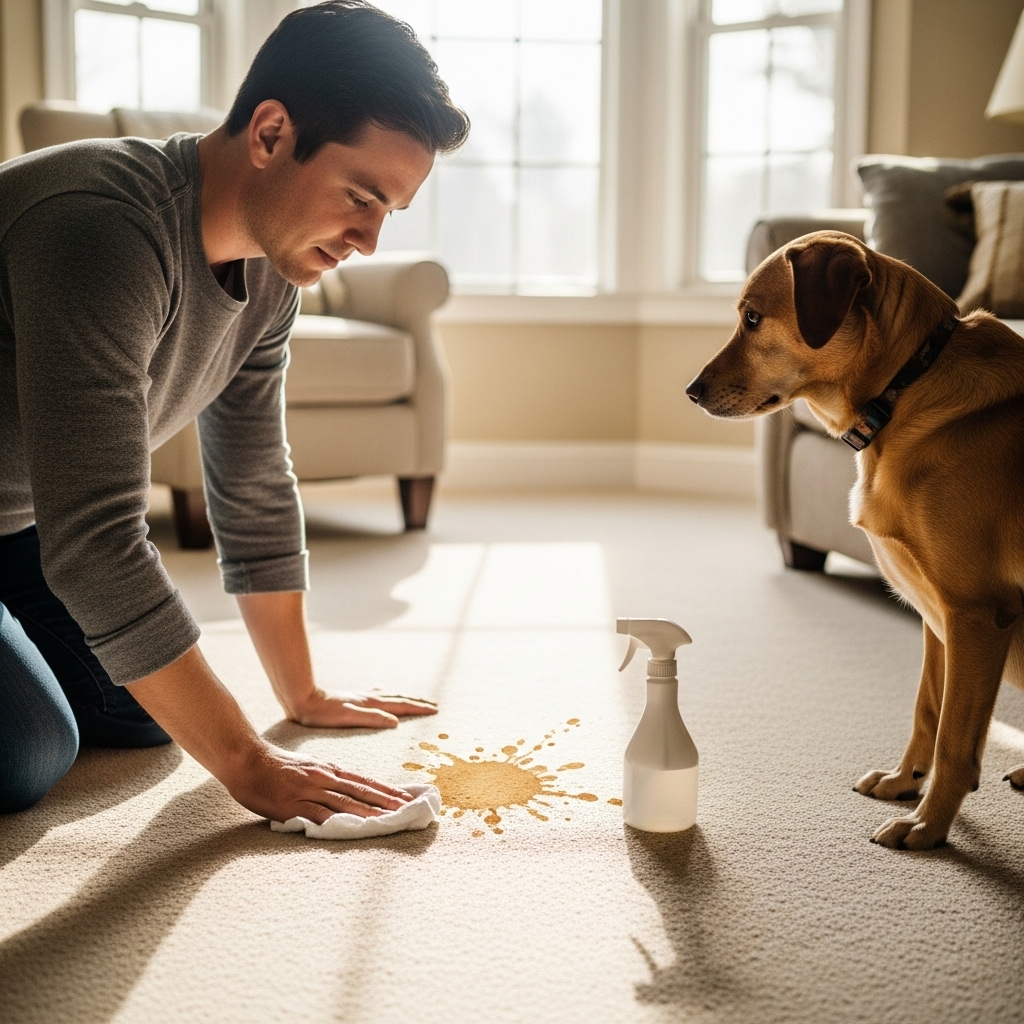
Life in Tampa, Florida brings sunshine, salt air, and plenty of activity—kids, pets, gatherings, and the inevitable spills that come with them. Clean, fresh carpets make rooms feel calmer and healthier, but achieving that consistently requires smart habits and the right help at the right time. Whether you are dealing with pet accidents, coffee mishaps, beach sand, or mystery spots, a clear plan prevents permanent damage and keeps flooring looking great year-round. As you build your routine, partner with a local team that can explain their approach to carpet cleaning and give you practical advice for Tampa’s climate.
Carpet care is a combination of daily prevention, prompt spot response, and periodic professional maintenance. A little knowledge about fiber types and chemistry goes a long way. Synthetic carpets like nylon and polyester are common in homes and respond well to balanced cleaning agents. Wool is luxurious and resilient but needs gentler products and careful temperature control. Knowing what you have helps you avoid over-the-counter solutions that may work on one fiber but harm another.
First principles of stain removal
Speed matters, but technique matters more. Always blot, never scrub. Scrubbing can distort fibers and spread the spill. Start by removing solids with a dull scraper or spoon, then blot liquids with a clean white cloth to avoid dye transfer. Work from the outside of the spot toward the center to prevent spreading. Use small amounts of solution and give it time to dwell rather than flooding the area, which can drive soils deeper and encourage wick-back later.
Test any spotting solution in an inconspicuous area first. Even mild products can cause color shift on sensitive fibers. Be especially careful with high-pH cleaners and oxygen products on wool, and avoid mixing chemicals. When in doubt, use cool water and a small amount of a neutral spotter, applied sparingly.
Common household stains and what to do
For beverages like coffee, tea, and soda, blot thoroughly, then apply a neutral spotter and continue blotting. Some drinks contain dyes or tannins that may need targeted chemistry; patience and repeated light applications are safer than aggressive scrubbing. For red dyes from juice or sports drinks, leave the area slightly damp and call a professional if initial blotting does not resolve the stain—these dyes can be stubborn and respond best to controlled treatments.
Oily spots from salad dressing or cosmetics benefit from a solvent-based spotter used cautiously. Apply a small amount to a cloth, not directly to the carpet, and blot. Follow with a light rinse using clean water and blot dry. For sticky residues like candy or gum, freeze with a cold pack in a bag and chip away gently before blotting remaining residue.
Pet accidents require fast, careful attention. Blot as much as possible, then use an enzyme-based spotter suitable for the fiber if you have one. Do not over-wet. Urine can penetrate the backing and cushion quickly, especially in warm weather, and may cause persistent odors. If the smell lingers after a day or two, call a professional who can assess whether subsurface treatment is needed.
Tampa-specific challenges
Humidity and sand set Tampa apart. Fine grit acts like micro-abrasive underfoot and can dull fibers over time, especially in traffic lanes. Vacuum at least weekly in low-traffic rooms and more often in entries and family spaces. Use walk-off mats at doors to trap sand and moisture before it reaches your carpet. During rainy months, plan for more frequent quick cleanups near entryways, and rotate mats so they can dry between uses.
Odor control is another climate-driven reality. Warm, humid air can intensify lingering smells from pets or spills. Inspect under furniture and along baseboards where air circulation is limited. If you notice persistent odors, a professional evaluation can determine whether the issue is surface-level or has reached the pad. Timely intervention prevents recurring smells and potential discoloration.
When to call a professional
Some situations benefit from expert equipment and chemistry: large spills, widespread traffic lane grayness, repeated wick-back of the same spot, and odors that do not respond to surface cleaning. Professional hot water extraction flushes embedded soils and residues, while low-moisture encapsulation can quickly brighten areas between deeper cleans. The right provider will explain which method suits your carpet and your goals for downtime and appearance.
Skill matters as much as machines. Look for technicians who identify your fiber, test in small areas, and discuss drying strategy. In Tampa, they should be comfortable with airflow management and set realistic expectations for how long drying will take. Communication about preparation and aftercare sets you up for the best outcome.
Building your home maintenance routine
Create a simple weekly rhythm. Vacuum high-traffic areas more often and use slow passes, especially near entries. Address spots immediately with blotting and a mild, fiber-safe spotter. Every few months, inspect under beds and sofas for overlooked spills or filtration lines—dark edges along baseboards caused by air movement through carpet. Keep a small kit ready: white cloths, a neutral spotter, a plastic scraper, and clear instructions for family members or caregivers.
Every six to twelve months, plan a professional visit, adjusting for kids, pets, and entertaining. After service, follow drying instructions closely. Walk in clean socks or shoe covers during the first hours, replace furniture protectors as advised, and resume vacuuming within a few days to remove loosened soil and maintain the refreshed look.
A closer look at cleaning methods
Hot water extraction—often called steam cleaning—uses heated water and cleaning agents delivered into the carpet and then extracted with strong vacuum. When done correctly, it removes deeply embedded soils and residues and is suitable for many synthetic fibers and some wool blends. It does, however, require careful moisture control and active drying to perform well in humid weather.
Low-moisture encapsulation relies on polymers to surround soils, which are removed with subsequent vacuuming. It dries quickly and is excellent for maintaining appearance between restorative extractions. In busy households, alternating methods over the year can balance deep hygiene with rapid turnaround.
Specialized spotting follows different rules. Rust, ink, and dye stains respond to different chemistries. A seasoned professional considers pH, oxidizers or reducers, and dwell time while protecting dyes and backing materials. Safety and moderation are key—more product is rarely the answer; correct product, applied patiently, is.
Preventing re-soiling and wick-back
Reappearing spots can be frustrating. They happen when residues linger or when a spill has penetrated below the surface. Using too much product or failing to rinse can leave sticky films that attract soil. To prevent this, use minimal solution and blot thoroughly. After professional service, follow traffic and drying guidance so soil is not transferred to damp fibers. If a spot returns, document the location and contact your provider for a targeted follow-up.
Frequently Asked Questions
Q: How often should I vacuum my home? A: At least weekly in low-traffic rooms and more often in entries, hallways, and family spaces. Slow, deliberate passes remove more soil than quick movements, especially on thicker carpets.
Q: Can I use household vinegar or baking soda on stains? A: These can help with certain odors or light residues, but they are not cure-alls and may leave residues. Always test first, use small amounts, and avoid creating a paste that is difficult to rinse.
Q: Is hot water extraction safe for my carpet? A: When performed by trained technicians with balanced chemistry and careful moisture control, it is safe for most synthetic carpets and many wools. Proper drying is essential in Tampa’s climate.
Q: What can I do about pet odors that keep coming back? A: Persistent odors suggest the contamination reached the cushion or subfloor. Professional assessment can determine whether subsurface treatment is necessary. Surface-only approaches may not resolve deep sources.
Q: Should I move furniture before a professional visit? A: Clear small items and fragile decor. Ask your provider what furniture they move and how they protect surfaces. Planning this in advance saves time and reduces risk.
Q: How do I prevent filtration lines along baseboards? A: Improve sealing around gaps and maintain HVAC filters. Regular vacuuming along edges with a crevice tool helps, and professional attention may be needed to lighten existing lines.
Q: Are eco-conscious products effective and safe? A: Many modern products deliver excellent results while prioritizing safety. The key is technician expertise and proper rinsing so carpets stay cleaner longer without sticky residues.
Confidence for every room in your home
A calm, clean home starts with habits that are easy to repeat and support from professionals when you need deeper results. Choose a local partner who explains methods clearly, respects your time, and tailors recommendations to Tampa’s climate and your family’s routines. If it is time to refresh living rooms, bedrooms, or high-traffic hallways, schedule professional carpet cleaning and enjoy the comfort of cleaner, healthier floors.