
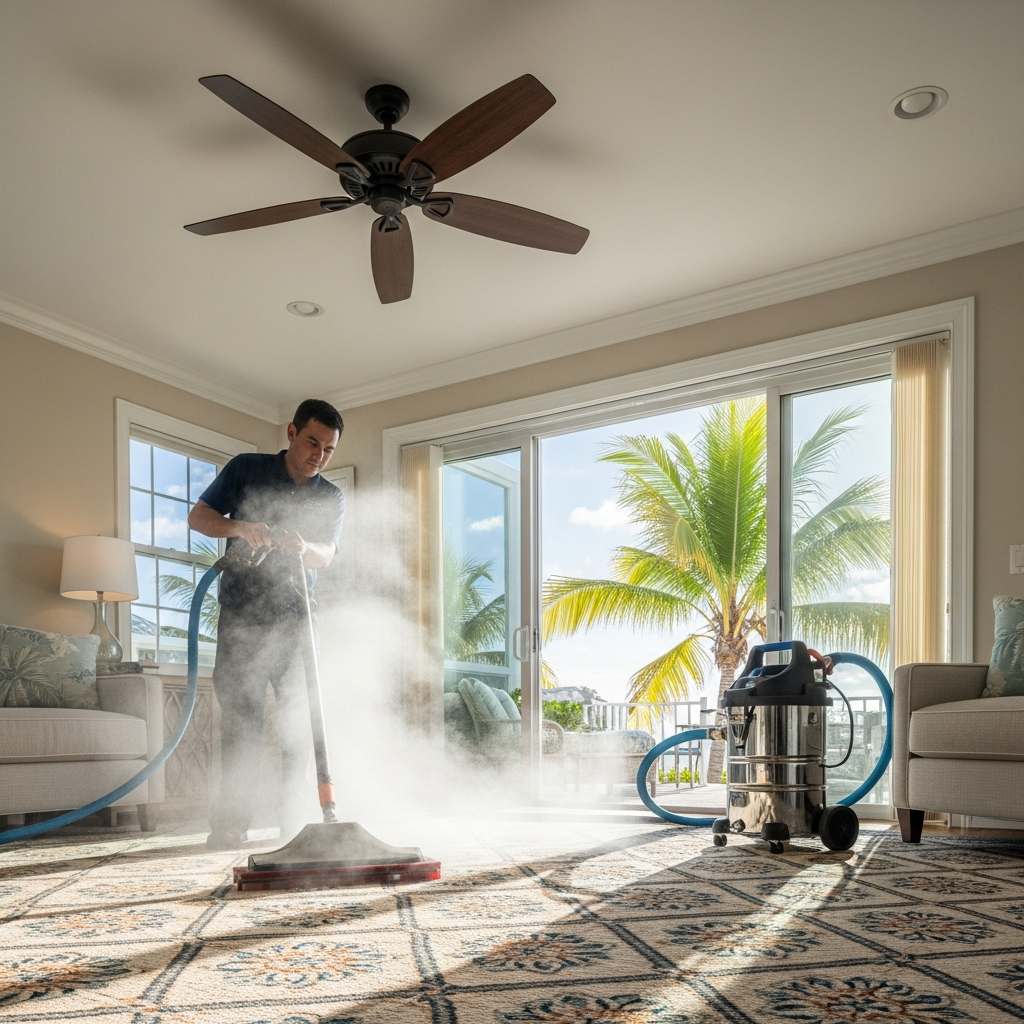
Many Tampa homeowners ask about “steam carpet cleaning,” a common nickname for hot water extraction. While pure steam is not typically used on residential carpet, the term persists because heated water and strong extraction deliver deep results. In a warm, humid climate like Tampa’s, understanding the strengths and trade-offs of this method helps you decide when it is the right fit for your fiber, home, and schedule. This detailed guide examines the technique step by step, balancing benefits such as thorough soil removal and allergen reduction with considerations like drying strategy and fiber sensitivity.
If your goals include a fresh, residue-conscious finish and meaningful improvement in traffic lanes, hot water extraction is often a compelling option. Many homeowners who want clarity about process and drying time also look to trusted local teams known for careful carpet cleaning that adapts to Tampa’s humidity and access realities.
What “Steam” Carpet Cleaning Really Means
In everyday language, “steam cleaning” typically refers to hot water extraction. During this process, a technician applies a pre-treatment to loosen soils, then uses heated water under controlled pressure to rinse and extract contaminants. The heat helps break down oily residues, while the vacuum lift removes moisture and suspended particles. When executed well—with balanced chemistry, appropriate agitation, and strong extraction—this method reaches deep into the pile and leaves carpet feeling soft and refreshed.
Pros: Why Many Tampa Homes Benefit
- Deep Soil Removal: Heat and rinse power target bonded grime that routine vacuuming misses.
- Allergen Reduction: Extracting fine particles embedded in the pile supports better indoor air quality.
- Stain Improvement: Combined with specialty spotters, this approach can lighten or remove many common stains.
- Residue Management: Proper rinsing and pH balancing help prevent rapid re-soiling.
- Restorative Potential: Ideal for homes with pets, active households, or long intervals since the last deep cleaning.
Cons: Considerations and How to Mitigate Them
- Drying Time: More moisture is used compared to low-moisture methods. In Tampa’s humidity, air movement and dehumidification are critical.
- Wicking Risk: If underlying pad contamination exists, stains may reappear as moisture wicks upward. Technicians address this with proper extraction and, if needed, specialized pad-level treatments.
- Access Logistics: High-rises or tight parking can affect setup. Portable equipment and planning overcome most constraints.
- Fiber Sensitivity: Certain delicate fibers need careful temperature and pH control. Experienced technicians tailor settings to fiber type.
Step-by-Step: A Thoughtful Hot Water Extraction Process
- Inspection and Testing: Identify fiber type and dye stability.
- Dry Soil Removal: Commercial vacuuming extracts grit before moisture is introduced.
- Pre-Treatment: Targeted chemistry loosens bonded soils in traffic lanes and spots.
- Agitation: Gentle brushing improves solution contact where needed.
- Rinse and Extract: Heated water and balanced rinses remove suspended soils and residues.
- Spot Treatments: Specialty procedures address stubborn discolorations.
- Grooming: Aligns the pile for even appearance and faster drying.
- Drying Acceleration: Fans, ceiling fans, and HVAC settings help achieve same-day usability.
How It Compares to Low-Moisture and Dry Methods
Low-moisture encapsulation shines as a maintenance strategy with fast turnaround, making it ideal between deeper services or when time is tight. Dry compound methods minimize moisture exposure for sensitive fibers or situations requiring immediate use. Hot water extraction, by contrast, is the go-to for restorative goals—deeper soil removal, allergen reduction, and a refreshed hand-feel—provided that drying is managed well.
When “Steam” Cleaning Is the Right Choice
- Heavy Traffic and Pet Households: Deeper rinse capacity addresses embedded grime and dander.
- After Long Gaps Between Services: Restorative depth resets the carpet’s appearance and feel.
- Allergy-Focused Plans: Removing fine particulates supports a healthier indoor environment.
When Another Method May Be Better
- Immediate Room Availability Needed: Low-moisture encapsulation offers faster turnaround for light to moderate soil levels.
- Moisture-Sensitive Fibers: Dry compound or carefully controlled low-moisture options may suit certain premium fibers.
- Isolated Light Soiling: Bonnet or pad cleaning can provide a quick appearance boost on select areas.
Managing Drying in Tampa’s Climate
Drying strategy is the lever that turns good results into great ones. The goal is to remove the majority of applied moisture during extraction, then accelerate evaporation from the remaining dampness. Homeowners can help by running ceiling fans, opening interior doors for cross-flow, and setting the HVAC fan to circulate. A groomed pile dries more evenly, and air movers placed strategically by the technician can make a noticeable difference.
Myths and Misunderstandings
- “Steam cleaning always overwets carpet.” In skilled hands, moisture is carefully measured and extracted. Over-wetting is usually a process error, not an inherent flaw of the method.
- “Fast-drying methods are always better.” Speed is valuable, but sometimes a restorative rinse is needed to reset appearance and hygiene. The best plan may combine both over time.
- “All stains can be removed.” Many improve dramatically, but permanent dye changes or prior chemical reactions cannot always be reversed.
Preparation Tips for Homeowners
- Declutter Floors: Clear small items and lift cords for efficient access.
- Pre-Vacuum: Removing dry soil lets solutions target bonded grime.
- Pet Plan: Secure pets for comfort and technician focus.
- Access and Parking: Provide details if your building has special rules or constraints.
Aftercare: Protecting the Clean
Once the service is complete, think “airflow first.” Keep foot traffic light until dry, use furniture tabs or blocks as advised, and run fans to speed evaporation. After the carpet is fully dry, a quick vacuum pass lifts the pile and collects any loosened particles. Establish a routine of regular vacuuming, prompt spill response, and occasional low-moisture maintenance between deeper services in high-use areas.
Choosing a Provider for “Steam” Cleaning
Look for companies that combine method mastery with moisture management. They should discuss fiber testing, pre-treatment plans, rinse and extraction targets, grooming, and specific drying strategies suited to Tampa’s weather. They should also explain how they handle recurring spots, pet issues, and access constraints in condos or townhomes.
As you weigh options, focus on providers known for comprehensive, fiber-safe carpet cleaning that balances depth with smart drying. This combination often yields the best mix of appearance improvement, comfort, and convenience.
Frequently Asked Questions
Q: How long does it take for carpet to dry after hot water extraction? A: With strong extraction and good airflow, many carpets are dry the same day. Humidity, pile thickness, and ventilation influence the timeline.
Q: Is hot water extraction safe for all carpets? A: Most modern residential carpets respond well when temperature, pH, and moisture are controlled. Delicate fibers require special care your technician should explain in advance.
Q: Will this method remove pet odors? A: It can, especially when paired with targeted treatments. If contamination reaches the pad, specialized steps may be recommended.
Q: How often should I schedule this method? A: Frequency depends on traffic, pets, and sensitivities. Many households pair periodic restorative cleaning with low-moisture touch-ups for maintenance.
Q: Can I walk on the carpet immediately after service? A: Light, clean-soled traffic is sometimes acceptable if recommended by your technician, but waiting until fully dry yields the best results.
Bring Back the Comfort Underfoot
When you want a deeper reset and a refreshed feel from the first step, hot water extraction is a proven path—especially when paired with smart drying in Tampa’s climate. Schedule with a team that communicates clearly, respects your fiber, and delivers meticulous carpet cleaning so your home looks and feels its best.