
Introduction
Choosing between steam and dry carpet cleaning in Naperville, Florida is easier when you understand how each method works, where they excel, and how local climate affects drying and results. Hot water extraction—often called steam cleaning—flushes soils from deep within the pile, while dry or low-moisture methods encapsulate soils for removal through vacuuming. Both approaches can produce excellent outcomes when properly matched to fiber type, soil load, and your household’s schedule. As you compare options, it helps to consult a local expert in carpet cleaning who can tailor a plan to Naperville’s seasons and your home’s specific needs.
There is no one-size-fits-all answer. The best choice depends on room usage, pet activity, allergies, and how quickly you need spaces back in service. A balanced plan may include both methods at different times of the year.
How Steam (Hot Water Extraction) Works
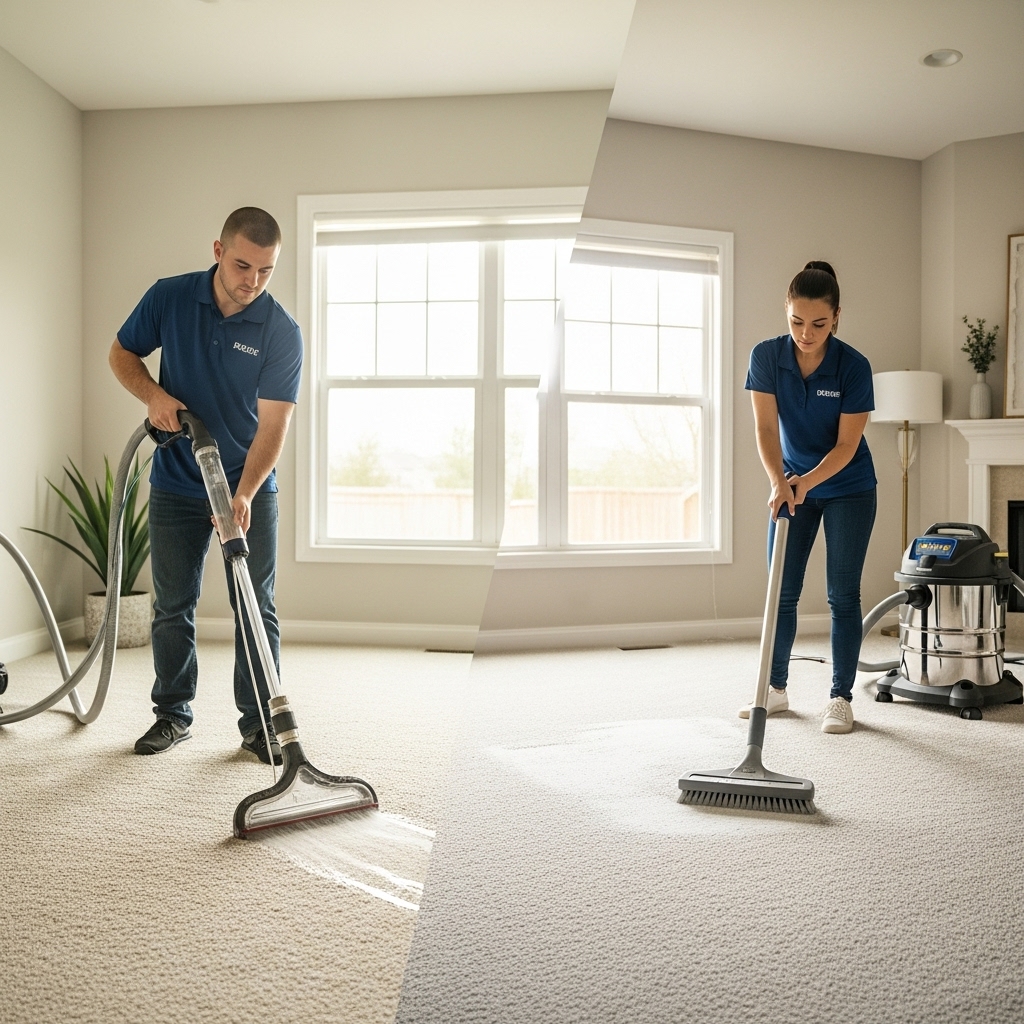
Hot water extraction uses heated water, targeted solutions, and powerful recovery to rinse and remove embedded soils. After a pre-inspection and dry vacuuming, technicians pre-treat traffic lanes and spots. The machine injects solution into the carpet and immediately extracts it, carrying away loosened debris. A neutralizing rinse leaves fibers soft and helps prevent residue.
This method is particularly effective for restorative cleaning in high-traffic areas, removing oils, fine particulates, and residues that vacuuming cannot reach. With proper technique and airflow management, drying can be reasonably quick, even in humid months.
How Dry (Low-Moisture) Cleaning Works
Dry cleaning applies a controlled amount of specialized solution that encapsulates soils. Agitation distributes the product, and after curing, the encapsulated soils are removed during vacuuming. Because water usage is low, rooms often return to service rapidly, making the approach ideal for maintenance cleanings and busy households.
Results depend on thorough pre-vacuuming, proper application rates, and complete post-vacuuming to remove crystalline residues. When performed by trained technicians, dry cleaning delivers a crisp, groomed look with minimal downtime.
Tampa Climate Considerations
Weather influences method selection and drying strategy. Winter slush and salt leave residues that benefit from the rinsing action of extraction. Spring and fall can be excellent times for restorative work thanks to moderate humidity. During sticky summers, low-moisture methods may be favored in some areas, provided that airflow and dehumidification are managed.
Basements and lower levels require special attention year-round. Regardless of the method, proper ventilation and, when needed, dehumidification support consistent results and prevent wick-back or musty odors.
Pros and Cons of Steam Cleaning
- Pros: Deep soil removal, effective odor management when paired with targeted treatments, and a thorough reset of traffic lanes.
- Pros: Helps remove fine particulates and residues that contribute to dull appearance and resoiling.
- Cons: Longer drying times if airflow and humidity are not optimized; technique sensitive to avoid over-wetting.
- Cons: Requires more setup and hose routing, which must be done carefully to protect walls and thresholds.
Pros and Cons of Dry Cleaning
- Pros: Fast turnaround, reduced moisture exposure, and excellent maintenance results in lightly to moderately soiled areas.
- Pros: Convenient for bedrooms, offices, and stairs where downtime must be minimized.
- Cons: Limited deep soil extraction; may not resolve odors originating below the backing.
- Cons: Results depend heavily on precise application and complete post-vacuuming.
Which Method Fits Each Room?
Family rooms, hallways, and stairs with visible traffic patterns frequently benefit from steam cleaning’s restorative power. Bedrooms and guest rooms, which tend to accumulate lighter soils, often look great after low-moisture cleaning. Homes with pets may use extraction in areas with repeated accidents, while maintaining other rooms with dry methods between deeper visits.
Stain history and fiber type also matter. Synthetic fibers are generally resilient and respond well to both methods when handled correctly. If your home includes delicate or natural fibers, ask for specialized care regardless of method.
Building a Combined Plan
Many Tampa homeowners create a hybrid schedule: a deep extraction in spring or fall to reset high-traffic zones, followed by dry cleaning maintenance midway between. This approach preserves appearance, manages odors, and fits busy calendars. Your provider can track problem areas—like filtration lines and entryways—and adjust the plan over time.
Communication is essential. Share details about pets, allergies, and upcoming events so the technician can match methods to your goals. The right plan reduces disruption while delivering consistent results month after month.
Questions to Ask Your Cleaner
- Which rooms do you recommend for extraction versus low-moisture cleaning, and why?
- How will you manage drying, airflow, and humidity given current weather conditions?
- What is your strategy for pet odors or recurring stains?
- How do you protect walls, corners, and furnishings during setup?
- What aftercare steps should we follow to preserve appearance and prevent resoiling?
Maintenance Between Appointments
Routine care supports both methods. Vacuum high-traffic areas several times weekly, use walk-off mats at entries, and blot spills immediately. Consider furniture pads and occasional rotation of rugs to distribute wear. Ask your provider about protector options that can slow resoiling and make routines more effective.
Track the appearance of traffic lanes and note when they begin to dull. These cues help you schedule maintenance at the right moment, avoiding both over-cleaning and waiting too long.
Frequently Asked Questions
Q: Does steam cleaning leave carpets too wet? A: When performed correctly with controlled application and strong extraction, drying is manageable. Airflow planning and humidity control are key to quick turnaround.
Q: Is dry cleaning safe for homes with kids and pets? A: Yes, when applied properly and vacuumed thoroughly. Discuss any sensitivities with your provider and follow aftercare guidelines to ensure comfort.
Q: Will dry cleaning replace the need for steam cleaning? A: No. Dry cleaning is best as a maintenance method between periodic extractions that remove deeper accumulations of soil and residues.
Q: Which method is better for pet odors? A: Extraction paired with targeted treatments is typically more effective for odors that have reached backing or pad. Dry cleaning can manage light surface issues between deeper services.
Q: How do I choose for a specific event? A: If you need fast turnaround, dry cleaning may suit lightly soiled rooms. For a full reset before hosting, consider extraction scheduled with adequate drying time.
Make the Right Choice for Your Tampa Home
Both steam and dry cleaning have a place in a thoughtful carpet care plan. By aligning method selection with room usage, soil levels, and Naperville’s seasonal conditions, you can enjoy consistently clean, comfortable floors with minimal disruption. When you are ready to tailor a plan that fits your household, reach out to a trusted provider and schedule professional carpet cleaning so your home looks and feels its best year-round.