
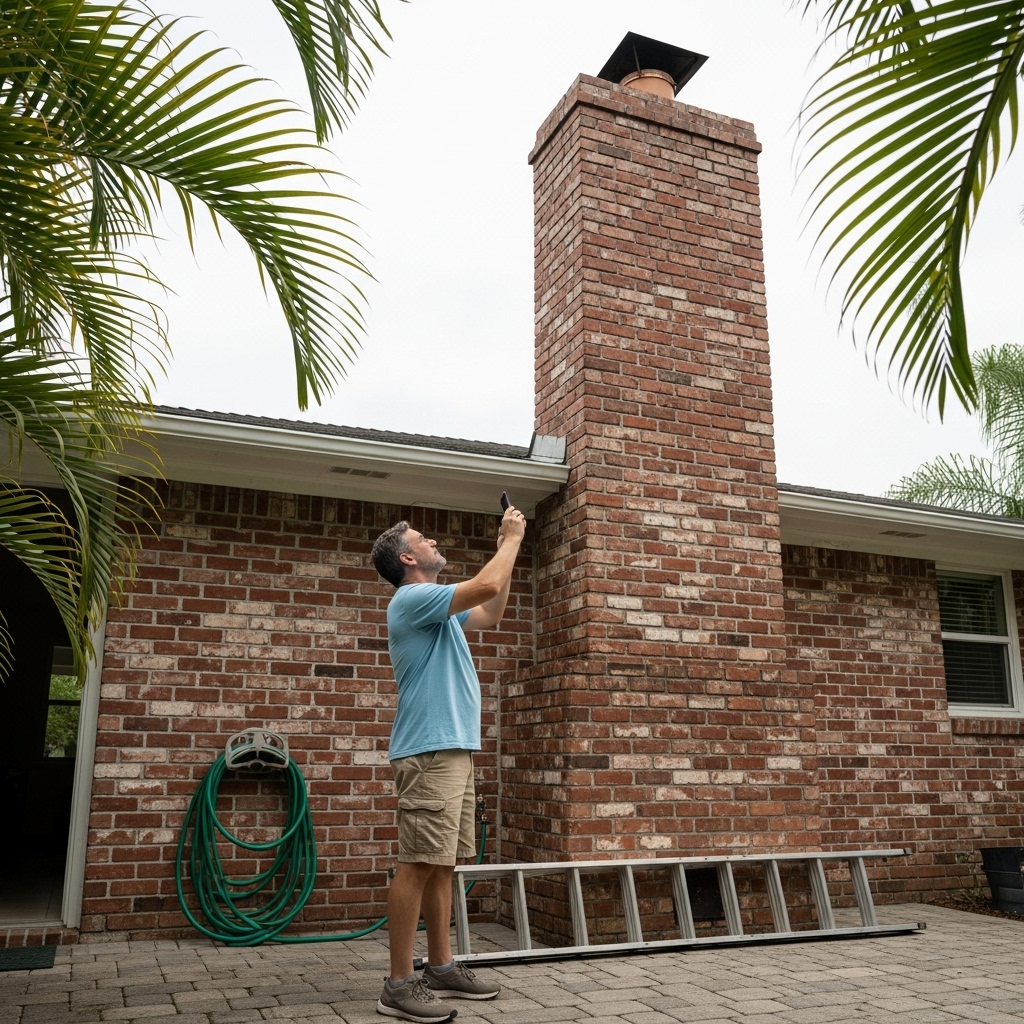
The Ultimate Tampa Homeowner Checklist for a Clean, Safe Chimney
Chimney care in Tampa, Florida, balances mild winters with high humidity, sudden storms, and salty coastal air. Even if you light only a handful of fires for ambiance, soot, creosote, and moisture can combine to erode parts, cause odors, and reduce draft. This comprehensive checklist distills what to do before, during, and after service, plus how to prepare for storms and protect systems in our climate. Use it to guide your own quick checks and to communicate clearly with a professional during your next chimney cleaning.
Before you begin, remember that a checklist is most effective when you keep records. Snap photos of the cap, chase cover or crown, flashing, damper, and any staining in the firebox. Save technician reports and note dates for future reminders. In Tampa’s climate, the right timing—late summer or early fall—lets you address issues ahead of the first cool evenings.
Pre-Season Checklist: August Through October
Confirm the cap is present, secure, and free of rust perforation. In coastal neighborhoods, stainless steel stands up best, but even stainless needs inspection for loose fasteners or screen damage from windblown debris.
Inspect the chase cover or masonry crown. On prefab systems, look for ponding water, dents, or lifted corners. On masonry, check for cracks that can invite water into the chimney body. Water intrusion in Tampa is common due to afternoon downpours and tropical systems.
Check flashing at the roofline. Look for lifted edges, missing sealant, or gaps that could admit wind-driven rain. From the attic, scan for stains or damp insulation after a storm.
Test damper operation. It should open and close smoothly. A rusted, stuck, or warped damper compromises draft and invites humid air and odors into living spaces.
Review firebox and smoke chamber surfaces. Note spalling masonry, metal corrosion, gaps, or dark, sticky deposits. Heavier deposits suggest you should plan professional service before the first fire.
Day-of-Service Checklist: What to Expect and How to Prepare
Clear a path to the fireplace and cover nearby furnishings. Provide access to an outdoor outlet if needed for high-filtration vacuums. Confirm pets are safely away from the work area. Ensure the firebox is cool and ash is removed.
Discuss system type with your technician. Identify whether your system is masonry with a clay liner or a factory-built metal system with a framed chase. Provide any previous reports and photos from storm events to help focus the inspection.
Ask for a top-to-bottom inspection and documentation. A thorough service will include an assessment of the cap, screen, crown or chase cover, flashing, liner condition, smoke chamber, damper, and firebox. If a video scan is performed, request images or a written summary for your records.
Confirm the cleaning method. Light to moderate soot often responds to traditional brushing, while heavy or glazed creosote may require rotary tools or chemical treatments. If the technician recommends additional work, ask for a clear explanation of why and the expected outcome.
Midway through the appointment, review any red flags. If the cap is damaged, the chase cover is pooling water, or the liner shows signs of deterioration, decide on next steps. When the service wraps, request a verbal walkthrough and a final written report. If you are combining DIY and professional support, consider scheduling a mid-season check to supplement the initial chimney cleaning and confirm performance after a few fires.
Post-Cleaning Checklist: Keep Performance High
Verify the damper seals tightly when closed and opens fully. A poor seal invites humid air that amplifies creosote odor, especially on rainy days.
Check that glass doors are cleaned and gaskets are intact. Replace frayed or flattened gaskets to maintain combustion control and reduce smoke spillage.
Reconfirm outdoor components after the first storm. Inspect from the ground that the cap is still seated and the screen is not clogged with leaves. Make sure the chase cover sheds water away from the flue collar without pooling.
Record the date of service and any parts replaced. Add reminders for the next inspection and note any start-up behavior such as smoky first fires or a persistent draft problem.
Storm Readiness and Recovery Checklist
Before tropical systems arrive, photograph the cap, chase cover or crown, and roof flashing. Secure patio furniture and trim nearby branches to reduce airborne debris that can dent caps or rip off screens. After the storm, check from the ground for displaced caps or twisted shrouds, and from the attic for moisture or staining near the chase.
If you find nesting materials or debris in the firebox, do not start a fire. Contact a professional for removal and a post-storm inspection. Tampa’s combination of wind and wildlife makes chimney caps a first line of defense; damaged screens should be replaced promptly.
If you notice a stronger smell after storms, it may be creosote absorbing humidity. A clean flue, a reliable damper, and a well-fitted cap are the best odor controls. An improperly vented gas log set can also contribute to odors; confirm the log placement matches the manufacturer’s diagram.
Burning Practices Checklist for Cleaner Operation
Use only seasoned hardwoods. Wet wood smolders and creates more creosote. Store firewood off the ground and covered, allowing airflow. Avoid burning treated lumber, painted trim, or yard waste like palm fronds.
Build hot, efficient fires. Start with kindling to warm the flue and establish draft quickly, then add modest splits. Keep the damper fully open during start-up. If smoke rolls into the room, crack a nearby window to balance pressure.
Watch the glass. If the doors blacken after one or two fires, deposits are accumulating. Adjust your burning approach and schedule service sooner rather than later.
Maintenance Between Seasons
In spring, clean out ash, close the damper, and ensure the cap screen is clear. Summer humidity in Tampa can carry odors into the home; a tight-sealing damper and clean flue reduce the problem. If your system is rarely used, still plan an annual inspection to catch corrosion or storm damage early.
For prefab systems, look at the chase exterior for swelling, staining, or soft spots, which can indicate water intrusion. For masonry, check for efflorescence, a white powdery deposit that signals moisture movement and warrants attention.
Communication Checklist When Hiring a Pro
Ask about inspection scope and documentation. A detailed report with photos or video stills supports future maintenance and any home sale disclosures.
Confirm familiarity with Tampa’s climate. Technicians should discuss salt-resistant materials, cap styles that reduce wind-driven rain, and strategies for odor control in humid weather.
Discuss safety devices. Verify that smoke and carbon monoxide alarms are present and tested. For gas appliances, confirm proper shutoff valves and ventilation.
Plan your next appointment on the calendar before the busy holiday season. Regular cadence prevents last-minute rushes and ensures available scheduling.
Frequently Asked Questions
How often should I follow this checklist? Run the full pre-season checklist annually, do a quick visual check after major storms, and review operation mid-season if you burn frequently.
Do gas fireplaces need this level of attention? Yes. Gas produces less soot but still needs annual inspection for corrosion, venting issues, and safe operation. Moisture and salt can affect metal vents even when soot is minimal.
What is the most important item in Tampa? A secure, corrosion-resistant cap and a sound chase cover or crown. These keep water and wildlife out and stabilize draft against wind.
Why does my chimney smell worse after rain? Creosote absorbs moisture and releases stronger odors. Cleaning, sealing air leaks, and ensuring the damper seats well reduce this effect.
Can I skip service if I only burn once or twice? No. Storms, humidity, and salt air can still degrade components. Annual inspections are the baseline for safety and performance.
Make Your Next Season Worry-Free
A clear plan and documented checklist help Tampa homeowners stay ahead of humidity, storms, and salt exposure. If your visual checks reveal concerns or it has been a year since the last service, book professional chimney cleaning to reset performance and enjoy safe, cozy evenings when the temperature dips.