Introduction: Your Tampa-Focused Chimney Cleaning Checklist
A fireplace adds warmth, ambiance, and character to your home, but only when the venting system is clean, intact, and ready for safe use. In Tampa, the combination of humidity, coastal breezes, and seasonal storms means your chimney requires attention tailored to local conditions. Use this comprehensive checklist as a practical reference to prepare for a professional appointment, understand what should be examined, and maintain your system between visits. As you plan your maintenance, remember that professional chimney cleaning tied to a consistent routine is the surest way to keep your fireplace reliable and enjoyable.
What follows is an organized sequence you can revisit each year. By moving step by step through interior, exterior, and usage checks, you will build a clear picture of your system’s condition and be ready to partner with a technician for optimal results.
Pre-Appointment Homeowner Preparation
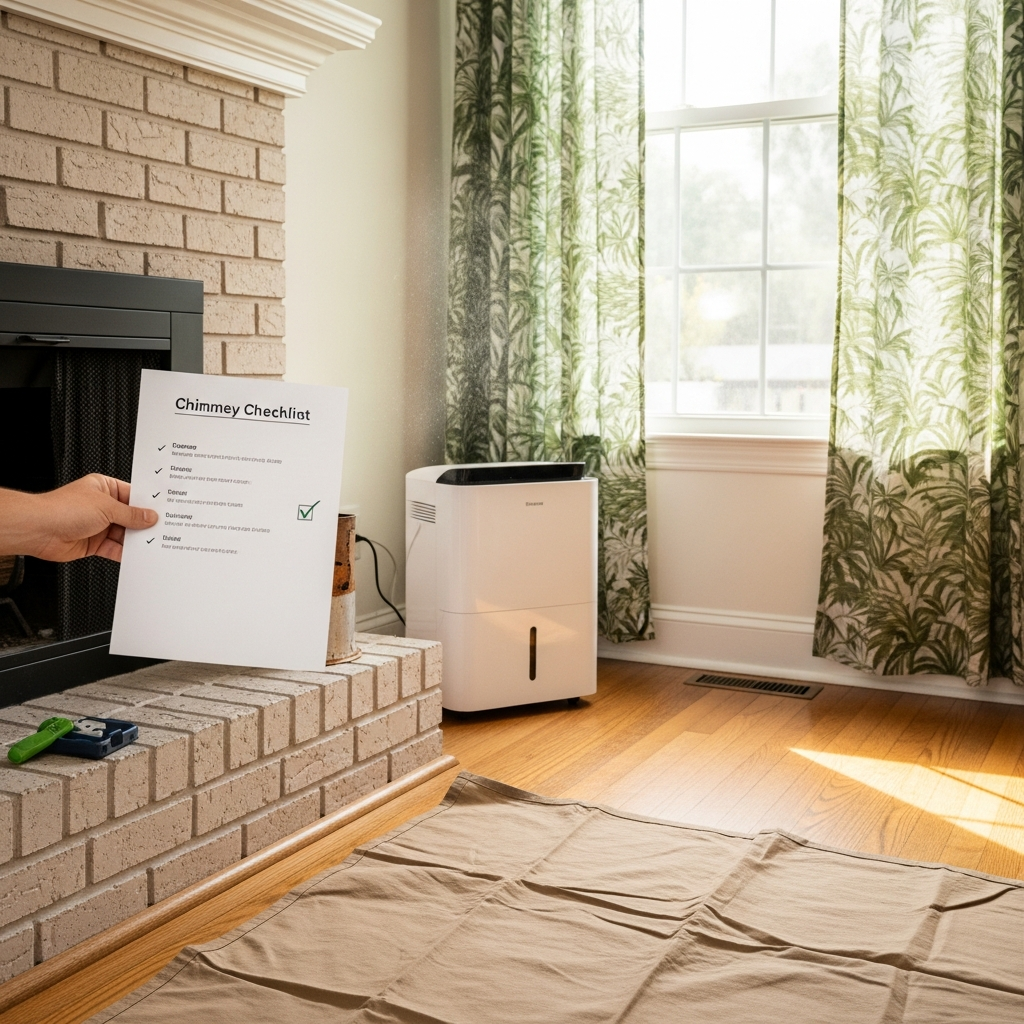
Start with a cool firebox. If you have burned recently, allow a full day for ash and masonry to chill. Clear the hearth and mantel area so technicians can lay floor coverings and move equipment in and out without obstacles. Note any odors after rain, unusual draft behavior, or sounds suggesting animals in the flue. These simple observations guide the visit and make time on site more efficient.
Ensure pathway access to any interior hatches the technician may need, such as attic entries, and secure pets in a separate room. If roof access is required, consider landscaping or fences that might affect ladder placement. Small steps like these help keep the appointment on schedule.
Interior Essentials: Firebox and Damper
Examine the firebox panels or masonry for cracks, displaced bricks, or visible gaps. Check that the damper opens fully and closes smoothly. If you notice black streaks or unusual staining near the opening, jot it down to share with your technician. These clues often point to airflow concerns or residue patterns that deserve attention.
Remove excess ash and ensure no decorative items obstruct airflow. If you use gas logs occasionally or as your primary setup, confirm the burner appears clean and that any manufacturer-required clearances are maintained. Even gas configurations benefit from periodic professional attention to venting and seals.
Flue Condition: What Professionals Look For
Inside the flue, technicians assess residue, check for obstructions, and evaluate the liner’s continuity. They use brushes, vacuums, and sometimes rotary tools to dislodge deposits while capturing dust with high-filtration equipment. Lighting or cameras may reveal tight transitions or offsets common in many Tampa homes.
While you cannot see all of this yourself, you can listen for draft behavior during use. If smoke lingers or backs into the room, or if odors appear after rain, it is time to schedule an appointment and share those symptoms with the technician.
Top-Side Defense: Caps, Crowns, and Chase Covers
At the roofline, protective features do the heavy lifting. The cap keeps rain, debris, and animals out while allowing smoke to vent. A good crown on masonry chimneys sheds water away from the flue tile. Factory-built systems rely on metal chase covers to keep the chase dry. In Tampa’s climate, these components must be intact and well-sealed to withstand wind, UV exposure, and frequent showers.
From the ground, you can sometimes spot obvious issues like a tilted cap or discoloration around the top. Share these observations so the technician can plan roof time and address any fasteners or sealants that need attention.
Flashing and Roof Interface
Flashing seals the gap between your chimney and the roofing material. Because Tampa sees heavy rain and intense sun, sealants can dry and crack faster than expected. A technician will inspect for lifted edges, missing fasteners, or hardened sealant lines that no longer flex with temperature changes. Maintaining a tight seal here is crucial to preventing leaks and interior staining.
After major storms or roof work, a follow-up check helps ensure nothing shifted or loosened. Lightning, wind, and debris can all affect cap alignment and flashing integrity.
Draft, Venting, and House Pressure
A reliable draft depends on temperature differences, vent design, and the air balance inside your home. Kitchen and bath fans or a tightly sealed building envelope can compete with the fireplace for air. A technician can help you understand these dynamics and offer simple adjustments, like opening a nearby window slightly during startup or verifying make-up air options in newer homes.
Observing your fireplace under different conditions—still evenings versus windy afternoons—helps you share useful details that improve performance and inform maintenance decisions.
Factory-Built vs. Masonry Systems
Both systems are common in Tampa. Factory-built fireplaces are designed with listed components that must remain undisturbed and intact. Masonry fireplaces rely on durable materials that still require periodic inspection for cracks, spalling, or mortar gaps. Your checklist should account for the type you have, particularly at the top where chase covers and crowns differ.
Regardless of the type, make sure the termination height is appropriate, the cap screen is secure, and the path for exhaust is unobstructed. These fundamentals are universal.
After the Cleaning: What a Good Report Includes
Expect photos showing the flue interior, smoke chamber, cap and crown or chase cover, and flashing. Notes should describe any observed issues, their potential impact, and practical next steps. A clear record becomes your maintenance log for future appointments and can be shared during home sales or insurance reviews.
If recommendations are made, ask that they be prioritized by safety, performance, and cosmetic considerations. Clear priorities help you plan intelligently.
Between-Visit Habits That Pay Off
Simple routines extend the benefits of professional work. Keep the firebox tidy, burn seasoned wood if you use a traditional setup, and store logs off the ground to discourage pests. After a storm, take a quick look from the yard to ensure the cap appears upright and undamaged. Report any unusual odors or draft changes promptly rather than waiting for the next season.
If you switch between gas and wood setups, inform your technician so they can check compatibility and venting. Each configuration has unique requirements for safe operation.
Safety Basics for Every Tampa Home
Install working smoke alarms and carbon monoxide detectors near your living spaces and test them regularly. Keep decorative items and furniture at safe distances from the hearth. Ensure the damper is open before lighting and stay present while a fire is active. These simple steps reduce risk and complement the technical care your chimney receives.
If you have young children or pets, consider a screen to keep them from approaching the firebox. Supervision and thoughtful room layout matter as much as technical maintenance.
Storm Season Readiness
Tampa’s storms are intense and frequent. Make a habit of scheduling a quick check after a season of heavy weather, especially if you notice roof debris or hear unusual noises around the chimney. Securing caps and inspecting flashing in fair weather prevents small issues from compounding during the next downpour.
When roofers or other contractors work near the chimney, confirm that components such as chase covers and caps are correctly reinstalled. A brief oversight can allow water or debris into the system.
Mid-Checklist Reminder
The most powerful habit you can build is consistency. An organized routine anchored by professional chimney cleaning, timely inspections, and simple homeowner checks keeps your system dependable and your living space fresh and safe.
Frequently Asked Questions
Q: How often should I schedule a visit if I rarely use my fireplace? A: Even with minimal use, an annual appointment is wise in Tampa because moisture, animals, and storm debris can affect the system regardless of burning frequency.
Q: How can I reduce odors after rain? A: Odors often indicate moisture or airflow imbalances. A technician can assess caps, crowns, or chase covers and suggest adjustments to encourage proper draft and reduce damp smells.
Q: Is dust a concern during cleaning? A: Professionals use protective coverings and high-filtration vacuums to control dust. Clearing the area ahead of time also helps keep your home tidy.
Q: Do gas fireplaces need this checklist too? A: Yes. Gas units rely on safe venting and sealed components. Periodic inspection verifies that everything is intact and performing correctly.
Q: Can I check the cap myself? A: From the ground, you can look for obvious misalignment, rust streaks, or missing screening. Leave roof-level work to trained professionals for safety.
Q: What should I do after a big storm? A: Take a quick visual survey from the yard and note any changes. If anything looks off, schedule a follow-up to confirm the system remains secure.
Q: What if I smell smoke in rooms far from the fireplace? A: Smoke smells can indicate draft issues or air pressure imbalances. Share details with your technician, who can evaluate the system holistically.
Q: Are decorative logs safe to leave in the firebox? A: Follow manufacturer instructions for placement and clearance, and ensure the damper and venting are appropriate for your setup.
Keep Your Fireplace Ready for Tampa Living
Your home deserves a venting system that is clean, safe, and prepared for every season. With a methodical approach, clear documentation, and a bit of routine attention, you can enjoy fires without worry. When it is time to schedule, reach out for professional chimney cleaning so your Tampa fireplace remains a dependable, comfortable centerpiece of your home.