
Introduction: Understanding Chimney Care in Tampa
Chimney cleaning in Tampa is shaped by local weather, usage patterns, and system design. Homeowners often ask about cost considerations, the best timing for service, and what to expect during a visit. While exact figures vary and are not detailed here, this guide will help you understand the factors that influence the scope of work and the cadence that keeps your system safe and efficient. If you would rather leave ladders, brushes, and inspections to trained professionals, consider scheduling expert chimney cleaning so you can enjoy peace of mind throughout Tampa’s shifting seasons.
Tampa’s subtropical environment emphasizes moisture control, cap integrity, and vigilant inspection after big storms. Even if you use the fireplace sparingly during cool snaps, windblown debris and humidity can still affect draft and create odors. With a thoughtful plan for timing and expectations, you can keep your chimney in reliable shape year-round.
What Influences the Scope of Chimney Cleaning?
Several variables guide the depth and duration of a cleaning. The type of system—masonry fireplace, prefabricated unit, stove, or insert—determines the tools and techniques required. The fuel you use affects the nature of residues; seasoned hardwood burns cleaner than damp wood, while gas appliances leave different byproducts that still warrant routine vent checks. Tampa’s humidity and salt-laden air can accelerate corrosion on metal components like caps, chase covers, and dampers, which may require more attention.
The amount and type of accumulation inside the flue matters greatly. Powdery soot responds to standard brushing, while shiny, hardened creosote suggests smoldering fires or restricted airflow and calls for specialized methods. Off-season animal activity can also add complexity; a properly screened cap reduces this risk but should be verified after wind events.
Timing: When Should Tampa Homeowners Schedule Cleaning?
Plan a baseline inspection annually, ideally before the first cool fronts of fall. This timing lets you address maintenance before the busy season. If you burn wood regularly during cool spells, anticipate shorter intervals between cleanings. Gas systems may not leave as much residue but still benefit from yearly checks to confirm vent integrity and identify corrosion early.
Storms can influence timing. After significant weather that delivers strong winds or wind-driven rain, perform a visual check from the ground to confirm that the cap is seated and that no exterior staining has appeared. If you suspect water intrusion or debris at the termination, schedule an evaluation before your next fire.
What to Expect During a Thorough Cleaning
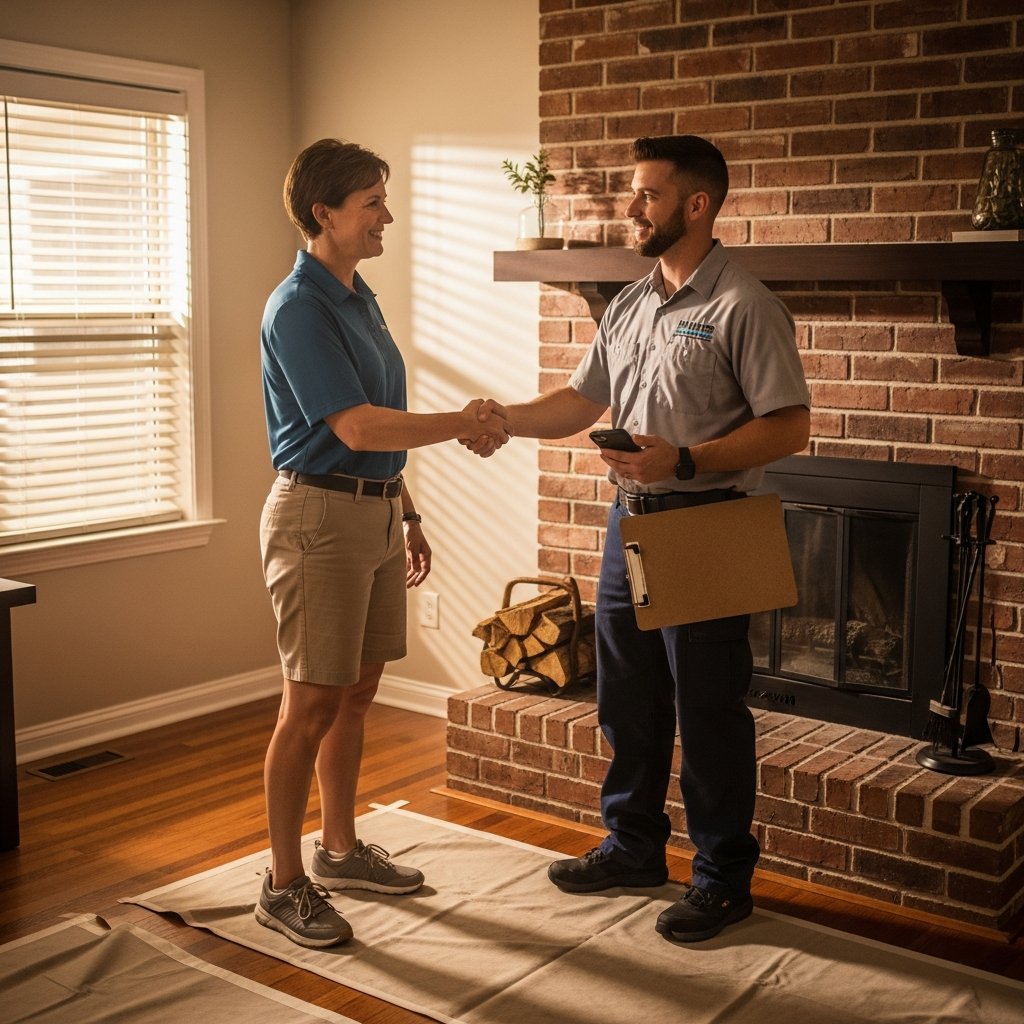
A complete visit typically includes preparation and protection of the workspace, removal of cooled ash and firebox debris, inspection and operation of the damper, brushing of the smoke chamber and shelf, and full-length flue cleaning suited to the liner material. The exterior crown, cap, and flashing are checked for cracks, corrosion, and securement. In Tampa, technicians often spend extra time confirming moisture defenses because humidity and storms are persistent challenges.
Draft verification is an important close-out step. After cleaning, smoke from a small test should be drawn quickly into the flue. If it is sluggish, the technician may recommend additional diagnostics or note factors like interior negative pressure that can be addressed with adjustments to ventilation during fireplace use.
Moisture and Odor Management in Tampa
Humid air and rain exposure can cause strong, lingering odors if residues remain in the system or if water finds its way past the crown, cap, or flashing. Keeping the damper closed when the fireplace is idle helps limit humid air entry, especially during summer. Top-sealing dampers and well-designed caps can further reduce odors and protect against storm-driven rain. Regular cleaning removes the residues that interact with moisture to create the strongest smells.
If you notice a musty odor during hot afternoons, document when it happens, recent weather, and whether the damper was open or closed. These notes guide an efficient response from a professional, who can trace the odor source and propose targeted fixes.
Safety and Preparation Tips for Homeowners
Before any service, ensure the fireplace is fully cool. Clear the area near the hearth and protect nearby furnishings with washable coverings. If you have gas logs, turn off the gas supply and leave any adjustments to trained personnel. Consider pausing your HVAC system briefly during cleaning to limit dust circulation. Safety first on the roof—never attempt access during or after a rain shower, which is frequent in Tampa’s rainy months.
Keep a simple log of maintenance dates, notes on residue appearance, and any odors you have observed. Photos of the cap, crown, or chase cover after storms are helpful. With a record in place, you will recognize patterns—such as recurring mustiness after winds from a particular direction—that inform solutions.
How Tampa’s Climate Affects Scheduling
The region’s rainy season means many homeowners prefer spring or early fall appointments. Summer humidity can make residues tacky, so the earlier you schedule before prime fireplace time, the cleaner the system will stay through winter. If you use your fireplace heavily during a particularly cool season, plan a check at the tail end to remove residues before summer arrives.
After major tropical systems, even homes that rarely use their fireplace should consider a quick inspection. Windblown debris and water intrusion do not discriminate based on usage; confirming cap and flashing integrity protects the home and keeps odors at bay.
Draft and Performance Troubleshooting
Slow draft at startup can result from a cool, damp flue. A simple pre-warm using a small rolled newspaper near the opening often helps. If smoke spills repeatedly, you may have a blockage, a tight building envelope creating negative pressure, or issues with cap design. Professional technicians can diagnose these conditions with specialized tools and recommend changes that suit your home’s architecture and exposure to wind.
Listen for rattling or whistling at the cap during windy nights. These sounds can signal a loose screen, mounting issues, or damage from a prior storm. Early attention prevents bigger problems later.
Usage Habits That Reduce Residue
Burn seasoned wood with low moisture content in wood-burning systems. Avoid smoldering fires; aim for bright, hot flames and adequate airflow that promotes complete combustion. Do not burn trash, plastics, or treated wood, which can produce corrosive or hazardous residues. For gas systems, keep components clean and have them checked; while they produce fewer residues, safe venting remains essential.
Clear ash regularly during the usage season, and store it in a sealed, cool container until disposal. In a humid city, ash absorbs moisture and can produce odors if left in the firebox for long periods.
Signs You Should Call a Professional
Shiny, tar-like creosote; suspected liner damage; repeated smoky startups; and evidence of wildlife all call for trained assistance. Tampa homeowners also benefit from expert help after significant storms, when quick assessments of caps, crowns, and flashing can prevent moisture problems from compounding. Technicians familiar with local conditions can also advise on upgrades that improve odor control and draft reliability.
Frequently Asked Questions
How often should I schedule service in Tampa? Plan at least an annual inspection. If you burn wood frequently during cool spells, consider more frequent cleanings aligned with your usage.
What makes Tampa different for chimney care? High humidity, salt air in coastal-adjacent neighborhoods, and intense storms accelerate wear on caps, dampers, and flashing, and they amplify moisture-driven odors.
Can gas fireplaces skip annual checks? No. They still require verification of vent integrity and monitoring for corrosion or blockages.
Why does my chimney smell worse in summer? Humid, warm air can push odors down the flue, especially if residues remain or if the damper does not seal tightly. Improved caps and top-sealing dampers help.
What should I do after a major storm? From the ground, verify the cap is seated and look for new stains on the exterior. If you suspect intrusion or damage, schedule an inspection before using the fireplace again.
Is shiny creosote a red flag? Yes. Hardened, glossy residues indicate conditions that require specialized removal by trained professionals.
Do infrequent users still need cleaning? Yes. Debris, moisture, and corrosion can develop even when the fireplace is rarely used. Annual checks prevent surprises when you want to light a fire.
Plan Your Next Step with Confidence
If you want a smooth, timely, and Tampa-aware approach, schedule professional chimney cleaning before the first cool front arrives or after any major storm that raises concerns. With the right timing and local expertise, your chimney will draft better, resist moisture problems, and deliver comfort when you need it most—without guesswork.