
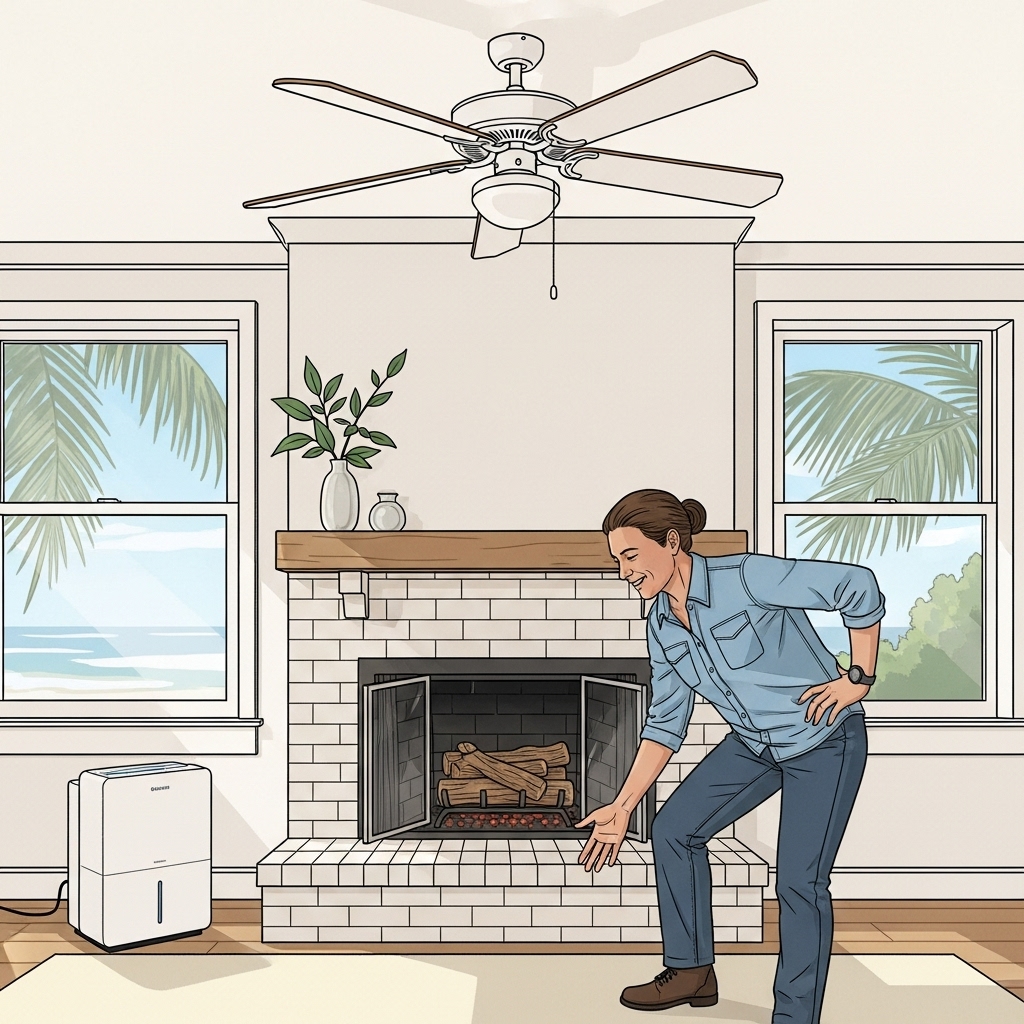
Living in Tampa means sunshine, sea breezes, and the occasional brisk evening that calls for a cozy fire. Even if you don’t use your fireplace daily, the combination of humidity, salt‑tinged air, and fast‑moving storms makes regular attention essential. This homeowner’s guide shares practical maintenance habits, safety checks, and seasonal strategies that keep your fireplace running smoothly in Florida’s Gulf Coast climate. To start off on the right foot, many residents rely on professional chimney cleaning to establish a clean baseline and a plan tailored to local conditions.
Know Your System
Not all fireplaces and flues are built the same. Tampa homes feature masonry fireplaces, prefabricated units, gas inserts, and pellet appliances. Each has unique maintenance needs. Masonry chimneys are durable but can absorb moisture if crowns and joints are neglected. Factory‑built systems require exact clearances and specific components to remain safe. Gas units deposit less soot but still need periodic cleaning to remove insects, dust, and residue that affect sensor performance.
Start by identifying what you have. Look for labeling plates, manuals, or unique features such as metal chimneys, glass doors, or specialized dampers. If you’re unsure, a technician can document the system and explain its requirements in plain language.
Burn Cleaner, Burn Smarter
- Use properly seasoned hardwood. Dry wood burns hotter and cleaner, reducing residue buildup and odor.
- Avoid trash, treated lumber, or glossy paper. These produce harsh compounds that cling to flue walls and can damage components.
- Build small, hot fires. A hot flame establishes strong draft and minimizes smoky startups that leave soot behind.
- Open the damper fully before lighting. A fully open path allows smoke to exit quickly and cleanly.
- Pre‑warm the flue on cool mornings. Hold a rolled newspaper or use a small starter near the throat to reverse cold air and encourage upward flow.
Moisture and Odor Control in a Humid Climate
Tampa’s humidity can carry odors from soot deposits into your living space, especially in the summer. Managing moisture is just as important as cleaning soot. Keep a well‑fitted cap in place, watch for leaves after storms, and ask about the condition of the crown and flashing. If you smell a smoky scent when it rains, it’s a clue that moisture is finding soot and moving odor into the room.
Ventilation helps too. After a fire is out and ash is cool, remove it before humidity rises. Keep glass doors slightly open only when recommended for your model to maintain airflow without compromising safety. If odor persists even after a thorough service, ask about additional moisture mitigation strategies suited to your system.
Safety Habits Every Tampa Homeowner Should Practice
- Test smoke alarms and carbon monoxide detectors monthly and refresh batteries on schedule.
- Keep combustible decor and furniture a safe distance from the hearth.
- Use a proper screen or glass doors to contain embers.
- Let ashes cool completely before disposal and place them in a metal container outside, away from structures.
- Confirm the damper returns to its proper position after every use.
Storm Season Checklist
Florida’s storm season can turn a tidy chimney into a debris magnet overnight. After a significant wind event, perform a visual check from the ground. Verify that the cap is straight and screened, look for missing chimney shrouds on factory‑built units, and note any new water stains on ceilings near the chase or masonry. If anything looks off, schedule a professional review to prevent small issues from quietly growing.
- Check for nesting materials dislodged during storms.
- Scan the yard for fallen metal that might be part of a cap or chase cover.
- Verify that tree limbs haven’t begun to rub or overhang the flue outlet.
- Listen for new rattles or whistles in windy weather, which can indicate loose components.
Gas Fireplaces and Inserts: Don’t Skip Them
Because gas produces little soot, some homeowners assume it needs no maintenance. In reality, Tampa’s insects, salt air, and dust can block tiny passages and interfere with safety features. A periodic cleaning clears debris from burners, checks glass seals, and confirms that vents are unobstructed. If you notice delayed ignition, unusual smells, or haze on the glass, plan a visit before the next cool spell.
Pellet and Wood Stove Considerations
Pellet appliances bring convenient heat but demand consistent upkeep. Ash can accumulate quickly and restrict airflow. Follow manufacturer guidance for cleaning burn pots and pathways, and remember that the vent needs periodic attention from a pro to stay efficient. Wood stoves, whether freestanding or insert style, concentrate heat in a smaller space. Gaskets, baffles, and door seals must be in good shape to keep fires hot and clean.
Between‑Visit Housekeeping
- Empty ash responsibly into a metal container once fully cooled.
- Wipe glass with an approved cleaner to maintain clear views and catch residue early.
- Brush the firebox gently to remove loose soot.
- Keep the hearth area free of clutter for safe operation.
Signs It’s Time to Call a Professional
- Persistent odor on humid days.
- Smoke spilling into the room during startup or when adding wood.
- Black dust near the hearth even with careful housekeeping.
- Animal activity sounds or debris dropping from the flue.
- Rusted or missing exterior components after a storm.
Mid‑Guide Refresh: Why a Pro Matters
There’s a difference between a quick sweep and a comprehensive service. A seasoned technician brings purpose‑built tools, high‑filtration vacuums, and the experience to spot small issues before they spread. They also understand Tampa’s roof styles and access challenges, protecting your home throughout the process. When it’s time to elevate performance and peace of mind, schedule professional chimney cleaning and pair it with smart moisture control for a fresher, safer home.
Draft Improvement Techniques
Draft is the invisible engine that keeps smoke moving up and out. If your fireplace feels sluggish, try these approaches:
- Prime the flue before lighting, especially on cool mornings.
- Use smaller splits and add wood gradually to maintain hot, lively flames.
- Confirm that exhaust fans in the kitchen or bathroom aren’t pulling against the chimney during startup.
- Consider how nearby trees and roof features create turbulence at the chimney top; a different style of cap sometimes improves stability.
Choosing Firewood in a Coastal City
Seasoned hardwoods such as oak burn cleanly and give steady heat. In a humid climate, how you store firewood matters. Keep it off the ground, covered on top but open on the sides to allow airflow, and stack it in a sunny, breezy spot. Avoid wrapping wood in plastic tarps that trap moisture. Damp logs create smoky starts and leave more residue behind.
What to Expect During a Professional Visit
Most appointments follow a structured pattern: home protection, flue and smoke chamber cleaning, firebox tidying, and a review of exterior components like caps and crowns. Expect clear communication about what was done, what was found, and recommended next steps. Ask for photos; they’re a great way to understand your system and plan seasonal maintenance.
Keeping Animals Out
Nesting birds and small animals love sheltered spaces. A quality cap with screening keeps them from setting up house in your flue, protecting both draft and safety. If you hear flapping, chirping, or scratching, pause fireplace use and call a pro. Removing animals safely and humanely is important, as is preventing repeat visits with better screening and maintenance.
Frequently Asked Questions
Q: How often should I schedule service in Tampa?
A: Once a year is a solid baseline. If you burn heavily, notice odor in humid weather, or see evidence of animal activity, consider more frequent visits.
Q: Do gas fireplaces need the same level of attention?
A: They need a different kind. The focus is on vents, seals, and burner cleanliness rather than heavy soot removal.
Q: Why does my fireplace smell stronger after it rains?
A: Moisture activates compounds in soot. When wind pushes rain toward the chimney, those smells can travel indoors unless residue is removed and water pathways are managed.
Q: Can I clean the chimney myself?
A: Basic housekeeping is fine, but interior flue surfaces and roof access are best handled by trained professionals.
Q: What should I do before a technician arrives?
A: Clear space around the hearth, note any performance concerns, and ensure pets are secure. Ask about parking or roof access needs.
A Seasonal Plan for Tampa Homes
- Late Summer: Schedule a pre‑season visit, check caps, and discuss moisture control.
- Fall: Burn seasoned wood, keep the hearth tidy, and enjoy efficient fires.
- Winter: Monitor for smoke spillage and odors; call if performance changes.
- Spring: Consider post‑season cleaning to remove residue before humid months.
- Storm Season: Perform visual checks after major wind events.
Small Habits, Big Results
Attention to small details—dry wood, open dampers, clean glass, and a clear cap—adds up to a dramatic difference in comfort and safety. Your fireplace will start cleaner, burn hotter, and produce fewer odors. Over time, these habits also support the longevity of your system’s components, especially in a climate where moisture tries to sneak in anywhere it can.
Ready for Reliable Comfort?
If you want to enjoy crisp, clean fires without the guesswork, partner with a local pro who understands Tampa’s climate and roof styles. Schedule a thorough chimney cleaning and step into the season with confidence, clean air, and a fireplace that’s ready when the temperature dips.