
Smart Chimney Cleaning Tips Tailored for Tampa’s Climate
Tampa’s fireplaces may not run all winter long, but they still require consistent upkeep to perform safely and smell fresh in a humid, coastal environment. Salt air, storms, and sporadic burning patterns can create unique maintenance challenges that differ from colder regions. The following tips focus on preventing moisture damage, controlling odors, choosing the right materials, and planning service so your system stays ready for those perfect cool evenings. Begin with an annual inspection and schedule timely chimney cleaning to keep the flue clear and components in top condition.
Because humidity amplifies creosote odors and encourages rust, small oversights can quickly become nagging issues. A clean flue, a reliable damper, and a corrosion-resistant cap go a long way. If your home is near the bay or Gulf, consider materials and fasteners designed to resist salt exposure, and perform post-storm checks even if you rarely light a fire.
Tip 1: Time Your Service Around Tampa’s Weather
Schedule your inspection at the end of summer or very early fall, before holiday demand. This timing provides a chance to address cap or chase cover issues that summer storms may have caused. In years with heavy tropical activity, add a post-storm visual check from the ground to confirm the cap is still seated and the screen is clear of debris.
A mid-season review keeps performance strong if you burn around the holidays. When temperatures dip, draft issues can surface, especially with cold flues in homes that rarely burn. A quick mid-season assessment helps catch problems before entertaining guests.
Tip 2: Choose Materials That Resist Salt and Moisture
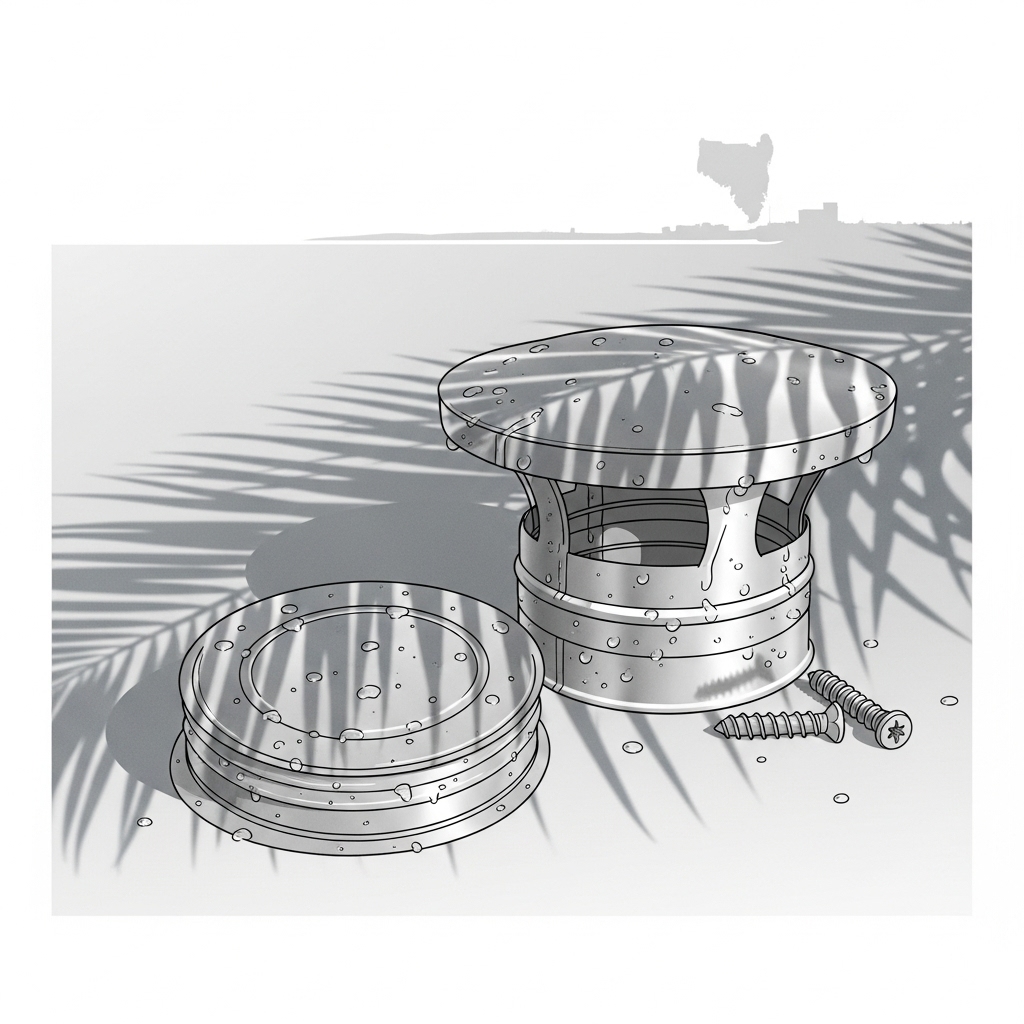
Stainless steel caps with properly sized mesh stand up to coastal air better than painted steel. For prefab chimneys, a sound chase cover made from corrosion-resistant metal prevents pooling water and protects the framing. On masonry systems, a well-formed crown and quality flashing reduce water intrusion. Replace corroded fasteners and keep an eye on discoloration or rust streaks as early warning signs.
Inside, check that glass door frames and dampers are free of rust. If you notice pitting or flaking, investigate the moisture source and schedule service to correct it. Tampa’s humidity accelerates corrosion, so small repairs pay off quickly.
Tip 3: Control Odors with Cleanliness and Tight Seals
Odors that spike after rain usually point to creosote absorbing moisture. Regular cleaning, a tight damper seal, and a well-fitted cap reduce airflow that carries smells into living areas. Consider a top-sealing damper for an off-season seal if odors persist. Keep the firebox clean and avoid storing damp wood or kindling nearby, which can add musty smells.
If you have a gas log set, confirm the log arrangement matches the manufacturer’s pattern. Incorrect placement can cause incomplete combustion, adding odors and residue despite producing little soot.
Tip 4: Burn Right to Reduce Buildup
Use properly seasoned hardwoods and build small, hot fires to warm the flue quickly. Open the damper fully during start-up and preheat the flue with kindling or a brief newspaper torch to encourage strong draft. Avoid burning palm fronds, construction scraps, or treated wood; they can produce corrosive byproducts and encourage excessive deposits.
Watch the glass on your doors. If it darkens after a fire or two, it is a cue that deposits are forming quickly. Adjust your burning method and move up your cleaning schedule accordingly.
Tip 5: Post-Storm Checks Are Part of Tampa Ownership
After high winds, inspect the cap and chase from the ground for crooked mounting, missing screws, or a clogged screen. Look inside the firebox for debris. From the attic, if accessible, glance at the chase interior for damp insulation or staining that could point to a flashing or chase cover leak. Early detection prevents hidden damage to framing or finishes.
Keep a simple photo log of your cap and chase cover, updating images after major storms. The record helps you and your technician see changes over time and justify repairs if needed.
Tip 6: Combine DIY Observations with Professional Care
Homeowners can monitor glass soot levels, listen for odd noises at the cap during wind events, and verify damper movement. Professionals provide deep cleaning, rotary brushing when necessary, video inspection of the flue, and documented reports. The partnership is effective in Tampa, where humidity and storms accelerate wear even when usage is light.
If you try a light DIY brushing, use the correct brush for your liner and seal the firebox to control soot. Stop if you encounter heavy glaze, wildlife nesting, or structural damage and schedule a professional assessment.
Tip 7: Keep the Whole System in Mind
A chimney is more than the flue. The crown or chase cover, cap, flashing, smoke chamber, damper, firebox, and surrounding finishes all interact. An odor might stem from a loose damper seal; a draft issue could relate to a clogged screen. Approach troubleshooting systemically and document what you observe, when it occurs, and the weather conditions at the time.
Do not forget home safety basics. Test smoke and carbon monoxide alarms monthly and replace batteries regularly. Keep combustible decor clear of the hearth and mantel, especially during holidays.
Frequently Asked Questions
How often should Tampa homeowners clean? Plan an annual inspection and clean as needed. Light users may still require yearly service due to humidity and storm debris. If you entertain frequently in winter, consider a mid-season check.
Do gas fireplaces need cleaning? They need annual inspections to verify venting and look for corrosion. While soot is minimal, residues and moisture can still affect components.
Why does my fireplace smell worse after rain? Creosote absorbs moisture and releases stronger odors. Cleaning, sealing the damper, and ensuring a healthy cap reduce the effect. If odors persist, review for air leaks at the firebox surround.
Can I burn yard debris? Avoid it. Palm fronds and other yard waste can spark and leave troublesome residues. Stick with seasoned hardwoods stored off the ground and covered with airflow.
Is a cap really necessary in Florida? Yes. A cap keeps out rain, wildlife, and leaves, stabilizes draft, and reduces odor pathways. Choose corrosion-resistant models for coastal neighborhoods.
Plan Now for Trouble-Free Evenings
With the right timing, materials, and habits, Tampa homeowners can keep fireplaces clean, safe, and odor-free despite humidity and storms. If your observations suggest deposits, corrosion, or post-storm issues—or it has been a year since your last service—schedule trusted chimney cleaning and enjoy a more comfortable, reliable home when the temperature finally dips.