Introduction: Practical Chimney Cleaning Tips for Tampa Homes
Tampa’s sunshine and sea breezes create a beautiful backdrop for coastal living, but they also introduce unique challenges for fireplaces and chimneys. Whether you light a wood-burning fire occasionally or rely on a gas setup for ambiance, you want a system that drafts well, stays dry, and remains clean. The following tips are tailored to our region’s humidity, storm cycles, and varied housing styles so you can keep your system performing its best. If you are planning a seasonal maintenance routine or preparing for a professional visit, start with expert chimney cleaning to establish a reliable baseline of safety and performance.
With a few simple habits and an understanding of how Tampa’s weather affects venting systems, you can enjoy safer fires and avoid preventable headaches. Let’s explore practical, step-by-step guidance you can use all year.
Tip 1: Respect Tampa’s Moisture and Heat
Humidity is a constant in Tampa, and it can linger inside unused flues. When moisture mixes with combustion byproducts, it can create acidic conditions that are tough on liners and metal components. While you cannot control the weather, you can minimize exposure by ensuring the cap is intact, the crown or chase cover sheds water effectively, and the damper closes properly when the fireplace is not in use.
After heavy rain, note any musty odors or discoloration around the firebox. These signs suggest that moisture is entering or not evaporating as it should, and they are good prompts to schedule a check.
Tip 2: Keep the Cap a Priority
Caps are the first line of defense against water, debris, and animals. Tampa’s coastal winds can loosen fasteners and bend screens, so periodic checks are essential. From the ground, you can observe whether the cap appears straight and whether staining streaks are present. During a professional visit, ask for photos of the cap and crown or chase cover to verify that everything is sealed and secure.
A cap that is properly sized and screened reduces nesting and keeps the flue clear between appointments, preserving draft and air quality.
Tip 3: Understand Draft and House Pressure
Draft is the invisible engine that moves smoke up and out. In modern homes, exhaust fans, tight construction, and closed windows can compete with the fireplace for air. If you experience smoke spillage or sluggish starts, try slightly opening a nearby window as a short-term fix and then consult a technician for a more complete evaluation of airflow and venting.
Each home behaves differently, so share details about when smoke issues occur. Time of day, wind direction, and recent appliance use can all provide clues that guide a technician’s recommendations.
Tip 4: Burn Clean, Dry Fuel in Wood-Burning Units
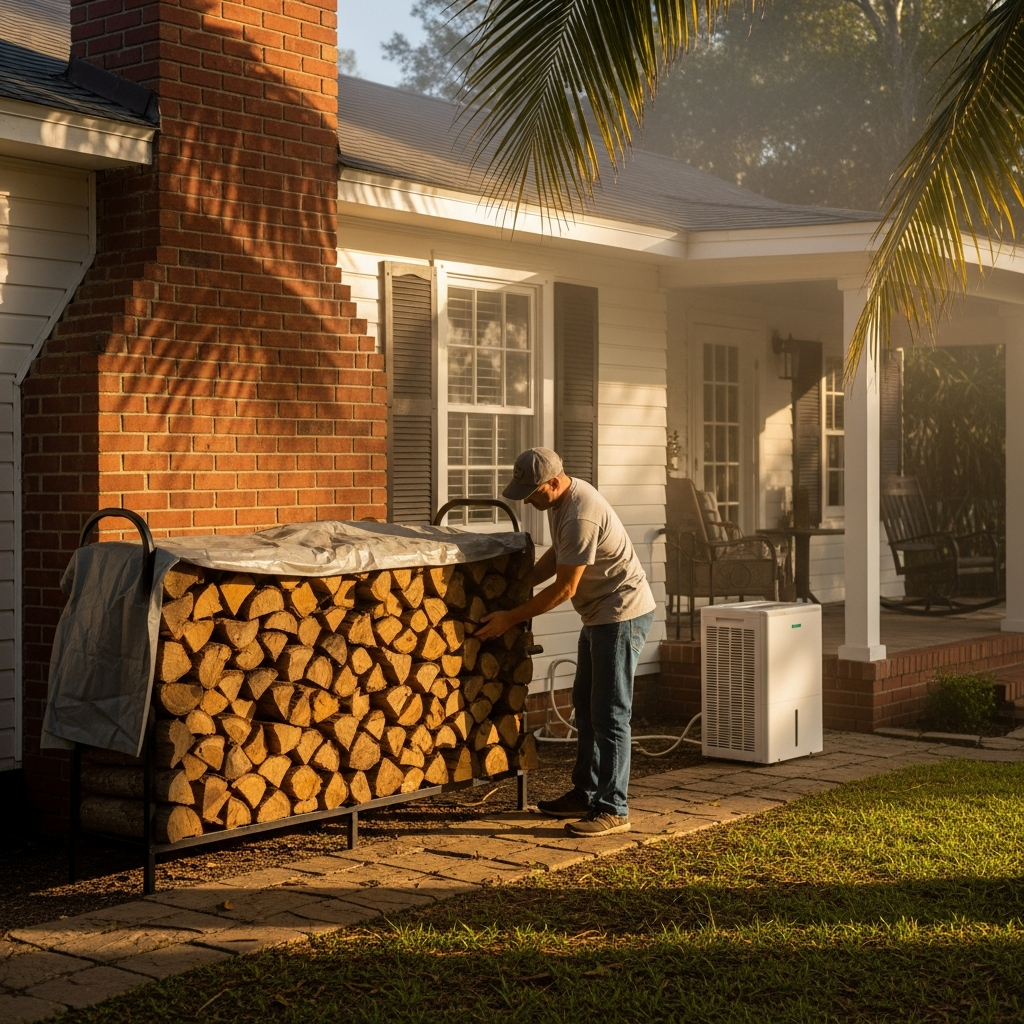
Seasoned hardwood creates a hotter, cleaner burn that leaves less residue. Store wood off the ground and under cover to discourage insects and moisture. Avoid burning yard waste or painted materials; these can create unpleasant odors, leave behind corrosive substances, and affect indoor air quality.
If you have only occasional fires, build small, efficient ones that warm the flue gently and establish a steady draft before adding logs.
Tip 5: For Gas Fireplaces, Do Not Skip the Vent Check
Gas fireplaces are popular in Tampa for their convenience, but periodic attention is still essential. Verify that the venting is unobstructed and that gaskets and seals are intact. If you switch between wood and gas configurations, inform your technician so they can confirm compatibility and safe operation.
Gas systems benefit from regular visual checks of flames and burner cleanliness, along with confirmation that nearby carbon monoxide detectors are installed and working.
Tip 6: Protect Interiors During Cleaning
A professional will use floor coverings and high-filtration vacuums to capture fine dust. You can help by clearing the hearth area and moving delicate items from mantels and nearby shelves. If you have light-colored furnishings, consider temporarily covering them during the visit for extra peace of mind.
After the appointment, a quick wipe of nearby surfaces removes any incidental dust and helps keep the space fresh.
Tip 7: Keep an Eye on Flashing and Roof Interface
Where the chimney meets the roof is a common source of leaks, especially in a subtropical climate with intense sun and seasonal storms. Ask for photos of flashing and sealants during your next visit. Early attention to lifted edges or hardened sealant lines prevents water intrusion and protects ceilings, walls, and attic insulation from damage.
Following any roof repair or replacement, confirm that the chimney’s components were reinstalled correctly and that the cap and flashing remain secure.
Tip 8: Plan Around Tampa’s Weather
Schedule roof-dependent work for mornings whenever possible to avoid slippery conditions from afternoon thunderstorms. If a storm forces a delay, it is a sign your provider prioritizes safety—a positive indicator of professionalism. Plan your seasonal appointment before the first cool front so your fireplace is ready when you want it.
Flexibility with timing also helps ensure the technician can complete both interior and exterior work without rushing.
Tip 9: Use Observation as a Maintenance Tool
Pay attention to how your system behaves. Does the damper operate smoothly? Do you hear rustling or chirping near the top of the flue? Are there faint stains along the mantel or adjacent walls? These small clues reveal a lot and make it easier for a technician to zero in on issues during a visit.
Keep a simple log of observations, especially after storms or the first fire of the season. Clear notes lead to faster, more accurate solutions.
Tip 10: Know When to Call the Pros
Some tasks belong in a professional’s hands. Working on roofs, navigating flue interiors, and distinguishing between cosmetic and safety-related conditions require training and equipment. If you smell persistent odors, experience smoke in the room, or suspect animal activity, schedule a visit. The right team will address immediate concerns and recommend a plan to prevent recurrences.
Professional attention is especially important if your home has a factory-built system, where components are listed to work together and must remain undisturbed to stay compliant.
Mid-Guide Reminder for Tampa Homeowners
Consistency is everything. A predictable rhythm of seasonal checks and professional chimney cleaning keeps your fireplace safe and efficient. Combine that rhythm with small, attentive habits at home, and you will enjoy a calm, comfortable hearth experience whenever the weather invites it.
What to Expect During a Professional Visit
A technician will begin by protecting your home with floor coverings and discussing any observations you have made. They will examine the firebox and damper, then move into the flue with appropriately sized brushes and vacuums. Roof-level work follows, where caps, crowns or chase covers, and flashing are assessed. Throughout the visit, you can expect photo documentation and clear explanations of what is working well and what deserves attention.
At the end, a summary outlines the system’s condition and offers practical next steps. This clarity is one of the biggest benefits of professional service.
Storm Season Tips
After significant wind or lightning, look for displaced roofing near the chimney, bent cap edges, or unusual debris on the ground. If you suspect changes, schedule a quick check. Early confirmation that everything is secure protects your home before the next storm arrives.
When roofers, painters, or other contractors work nearby, walk the area afterward with a technician’s eye. Verify that caps and chase covers are seated correctly and that flashing remains intact.
Common Missteps and How to Avoid Them
Do not assume a fireplace that is rarely used needs no attention. Tampa’s climate still affects it. Avoid burning damp wood or yard waste, which can produce sticky residues and lingering odors. Do not overlook small draft issues; address them early to maintain an easy-lighting, pleasant fire.
Finally, resist the urge to work at the roofline without proper training. Professional equipment and safety practices are crucial for this environment.
Frequently Asked Questions
Q: How often should I schedule an appointment in Tampa? A: An annual appointment is a solid baseline, with additional checks after major storms or whenever you notice odors, smoke spillage, or animal activity.
Q: Will cleaning eliminate odors entirely? A: Cleaning helps, but long-term odor control also depends on moisture management and proper draft. Caps, crowns, and house pressure all play roles your technician can evaluate.
Q: What are signs of water intrusion? A: Musty smells, efflorescence on exterior masonry, staining near the firebox, or discoloration of the cap area suggest moisture issues that deserve attention.
Q: Do gas fireplaces require less attention than wood-burning? A: Gas fires produce fewer residues but still need periodic checks to verify vent integrity and component seals.
Q: Can I use decorative candles or small fires to test draft? A: A small kindling fire or a smoke match can help you gauge draft before a larger fire. If smoke lingers, pause and consult a technician.
Q: How do storms impact my chimney? A: High winds can shift caps or lift flashing, while lightning and debris can damage rooftop components. Post-storm visual checks from the ground are wise.
Q: What should I tell the technician before they begin? A: Share a brief timeline of odors, smoke behavior, and any recent roof work. These details help focus the inspection and cleaning.
Q: What simple tasks can I do year-round? A: Keep the firebox tidy, store wood properly, check for visible changes after storms, and test nearby alarms regularly.
Enjoy a Safer, Cleaner Hearth
A thoughtful routine tailored to Tampa’s climate will keep your fireplace ready whenever you want it. For dependable results and clear guidance, schedule professional chimney cleaning with a trusted local team and enjoy the kind of ease that makes home feel like home.