
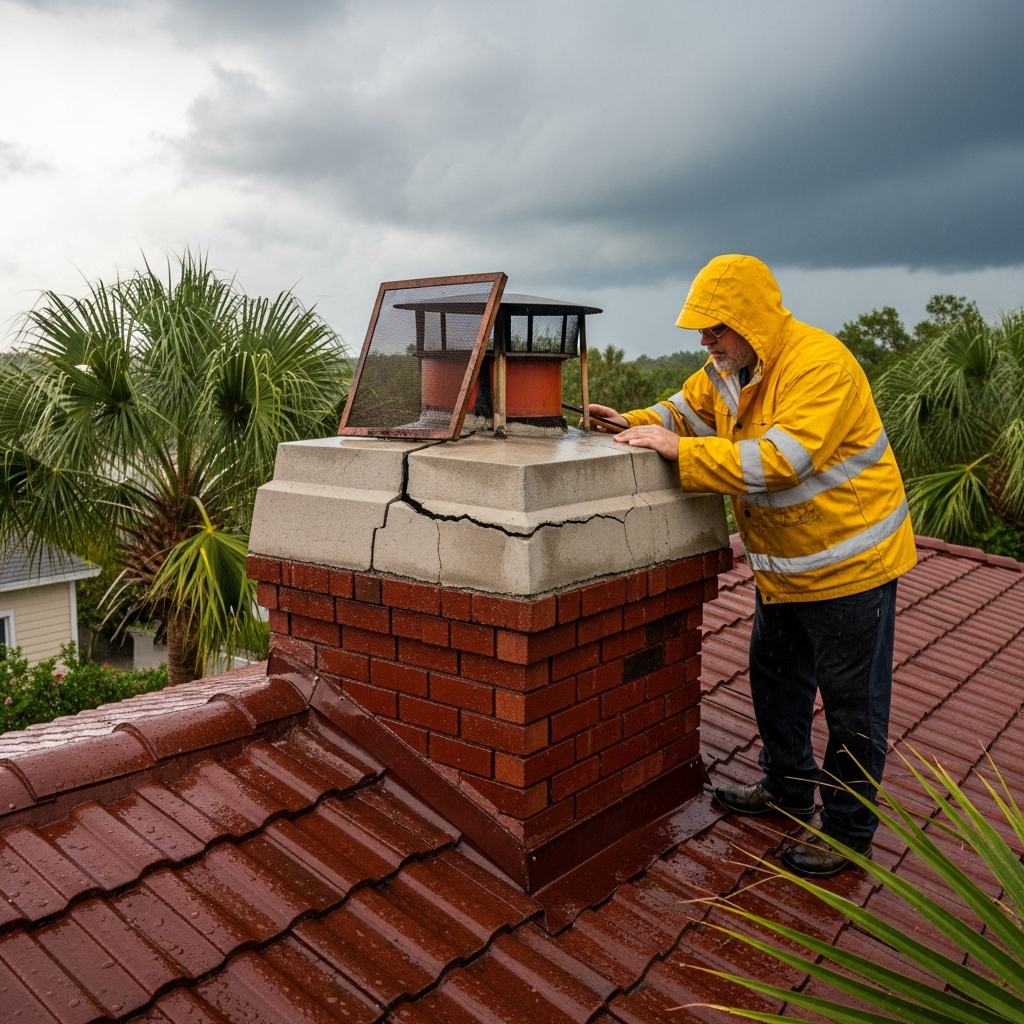
Introduction: Seasonal Care Built for Tampa’s Climate
Tampa’s weather cycles—long, humid summers punctuated by intense afternoon storms, a distinct rainy season, and mild winter cold snaps—shape how chimneys age and how they should be maintained. Even occasional fireplace users can experience soot accumulation, draft challenges, and moisture-driven odors when the system sits unused through steamy months. This seasonal guide translates the local climate into practical maintenance habits that keep your chimney safer, cleaner, and more reliable. If you prefer not to handle roof access, ladders, or specialized brushes, you can always book professional chimney cleaning and have an expert tailor care to your home’s unique exposure and usage.
Think of your chimney as a vertical pathway that must stay clean and dry to function well. The challenge in Tampa is that airborne grit and salt, powerful winds, and persistent humidity combine to test every joint, seam, cap, and surface. Planning tasks season by season gives you a rhythm that catches small problems early—before storm debris nests near the cap or a musty smell hints at moisture intrusion.
Late Winter to Early Spring: Post-Use Inspection and Cleanup
As the last cool nights pass, conduct a careful post-use check. Remove cooled ash and vacuum loose soot from the firebox. Inspect the damper for smooth operation and note any surface rust that flared up during humid spells. Shine a flashlight up the flue to observe residue. If you see flaky or shiny creosote, plan for a full cleaning before summer humidity sets in, when sticky residues are harder to address. Record what you observe in a simple maintenance log so you can compare conditions year to year.
Spring in Tampa often brings thunderstorms that shake loose leaves and small branches. After significant weather, look from the ground to confirm the cap is seated and screened. If you hear unusual chirping or see twigs on the hearth, you may have wildlife interest and should contact a professional rather than attempt removal yourself. This is also a good time to inspect the exterior masonry or chase for staining that suggests minor leaks during winter rains.
Spring Maintenance Habits
After cleaning out the firebox, wipe surfaces with a dry or slightly damp cloth depending on material recommendations. Check around the hearth for any smoke staining that might hint at drafting issues during the season. If you use an appliance with doors or a glass front, clean with appropriate, manufacturer-approved products and confirm gaskets are intact. Tampa’s humidity can encourage mildew on damp surfaces, so let everything dry thoroughly before closing the system for the summer.
Schedule a pre-summer inspection if you noticed unusual odors or heavy residues. Technicians familiar with local weather can recommend cap improvements, top-sealing dampers, or other upgrades to help keep out humid air. Addressing these items now prevents unpleasant smells during the dog days of summer.
Summer: Moisture Management and Off-Season Vigilance
Summer is Tampa’s moisture marathon. Afternoon showers, tropical waves, and high humidity can drive moisture into any small opening. Keep the damper tightly closed when the fireplace is idle to reduce the downward flow of humid air. Verify that the cap remains secure and that screens are intact to discourage pests. You do not have to climb on the roof after every storm, but periodic visual checks from the ground and interior sniff tests near the hearth can alert you to problems early.
Odors are the main summer complaint. If you notice a persistent musty or smoky smell, it may indicate soot interacting with moisture, a compromised cap, or a draft path affected by interior negative pressure from air conditioning. A professional can assess whether you would benefit from different cap designs, a top-sealing damper, or other moisture-management solutions matched to Tampa’s climate.
Mid-Summer Maintenance Tasks
Even while the system rests, a few quick habits go a long way. Confirm the damper closes fully and seals well. If you have gas logs, visually check that components remain rust-free and that no pests have taken an interest. Wipe the firebox surfaces to remove any condensation marks or fine dust. Document findings in your log. These simple steps help the chimney remain ready for the fall cleaning and usage cycle.
Consider the landscaping around your chimney. Trim back branches that brush against the stack or cap. In storms, vegetation can act like a whip, loosening caps or scuffing masonry. Good airflow around the chimney also promotes drying after rain, which reduces staining and odor formation.
Early Fall: Pre-Season Inspection and Cleaning
Before the first cool front arrives, perform a pre-season check. Inspect the firebox for any cracks or gaps in refractory panels or mortar joints. Operate the damper to verify smooth movement. Shine a flashlight up the flue to estimate residue levels. If you burn wood, look for signs of creosote. Gas systems typically produce less, but corrosion from summer humidity is a concern worth noting. Schedule a full cleaning if you observed buildup in spring or if it has been a year since the last inspection.
Exterior components need attention now as well. Verify that the crown is free of cracks, the cap is snug and screened, and the flashing that seals the roof-to-chimney junction is intact. Tampa’s storm season can open seams and encourage water intrusion; catching this now keeps your fireplace experience cleaner and safer once the cool nights return.
Best Practices for Pre-Season Cleaning
A thorough pre-season cleaning includes removal of all loose soot and debris from the firebox, smoke shelf, smoke chamber, and a full brushing of the flue appropriate to the liner type. The goal is to restore a smooth, clear path for exhaust. Professionals may also test draft, look for liner defects with specialized cameras, and recommend improvements. If you do not want to tackle the ladder and brush work yourself, book a mid-fall appointment so you are ready for the first stretch of cooler evenings. For hands-off ease, many Tampa homeowners rely on scheduled chimney cleaning to align service with seasonal patterns.
Document everything. Photographs of cap condition, notes on any rust or staining, and details about the type and amount of residue build a picture of your chimney’s health. Over time, you will know exactly when your system tends to need attention and can anticipate it ahead of busy periods.
Late Fall to Winter: In-Use Monitoring
When the season turns, keep an eye on performance. Fires should draft promptly without smoke spilling into the room. If you notice sluggish starts, pre-warm the flue by holding a small, lit roll of newspaper near the damper before lighting your main fire. This practice is especially useful after rainy or particularly humid days, when the flue walls are cooler and damp. Monitor for any unusual noises from the cap during windy nights, which could indicate a loose screen or mounting.
Burn only properly seasoned wood if you use a wood-burning appliance. Fresh or damp wood smokes more and encourages creosote. Keep fire sizes moderate, with bright, hot flames rather than smoldering piles. Good combustion reduces residue, improves heat, and makes mid-winter maintenance simpler if you need it.
Storm Response: Rapid Checks After Severe Weather
Tampa’s storm season can deliver high winds and wind-driven rain that challenge even well-built systems. After a major event, visually inspect the chimney from the ground. Look for a missing or tilted cap, displaced flashing, or new stains on exterior walls. Indoors, check for water marks around the fireplace or a sudden musty odor that was not present before. If you suspect structural or cap damage, schedule a professional evaluation before using the fireplace again.
Debris caught at the cap or in the upper flue can obstruct draft and contribute to odors. Quick attention prevents small problems from escalating into persistent operational issues when you want a cozy evening fire.
How to Build a Simple Seasonal Log
Use a notebook or a digital file to track dates of inspections, cleanings, and observations. Include details such as residue appearance, odors during humid spells, cap condition after storms, and any animal sightings. Over time, the log shows clear patterns: perhaps you notice that draft is slow after north-easterly winds, or that summer humidity calls for a tighter damper. These insights allow custom solutions tailored to your home and neighborhood microclimate.
Professional Help: When and Why
Call a professional if you observe shiny, hardened creosote; suspect liner damage; hear animals; or need roof work you are not equipped to do safely. Technicians bring specialized tools, safety gear, and local know-how. They can propose upgrades—like improved caps or top-sealing dampers—that reduce Tampa-specific moisture and odor issues. Many homeowners opt for annual or semiannual visits timed to the end of spring usage and pre-fall checks, streamlining care amid busy schedules. If you want a reliable, low-effort plan, schedule periodic chimney cleaning and let an expert match service intervals to your actual burn patterns.
Frequently Asked Questions
How often should I clean in Tampa’s climate? At minimum, plan an annual inspection. If you burn wood frequently during cool spells or notice odors in summer, you may need more frequent cleanings tailored to your usage.
Why do odors intensify in summer? Humid, warm air pushes smells downward and interacts with soot. Ensuring a tight damper and a well-designed cap helps. Addressing any moisture entry points is key.
Are gas fireplaces low maintenance? They are lower maintenance than wood systems but still require yearly checks for vent integrity and corrosion, especially in humid, coastal environments.
What signs indicate moisture intrusion? Stains on masonry, rust streaks on metal components, musty odors, and damp ash are common clues. Investigate the crown, cap, and flashing first.
Can I pre-warm the flue every time? Pre-warming helps on damp or cold-flue days. Use a small, controlled flame like a rolled newspaper lit near the opening, and always practice fire safety.
Is it okay to close the damper immediately after a fire? Wait until embers are fully out and the fireplace is cool to the touch. Closing too soon can trap smoke and encourage residue.
What should I do if I suspect animals in the flue? Do not attempt removal yourself. Contact a professional familiar with local wildlife regulations and install or repair a screened cap.
Make the Most of Every Season
If you want an easy, climate-smart plan that respects Tampa’s unique weather, schedule professional chimney cleaning before the busy cool season and again after your final winter fire if needed. With the right timing and attention to moisture control, your chimney will draft better, smell fresher, and deliver the comfort you expect—no matter what the forecast holds.