
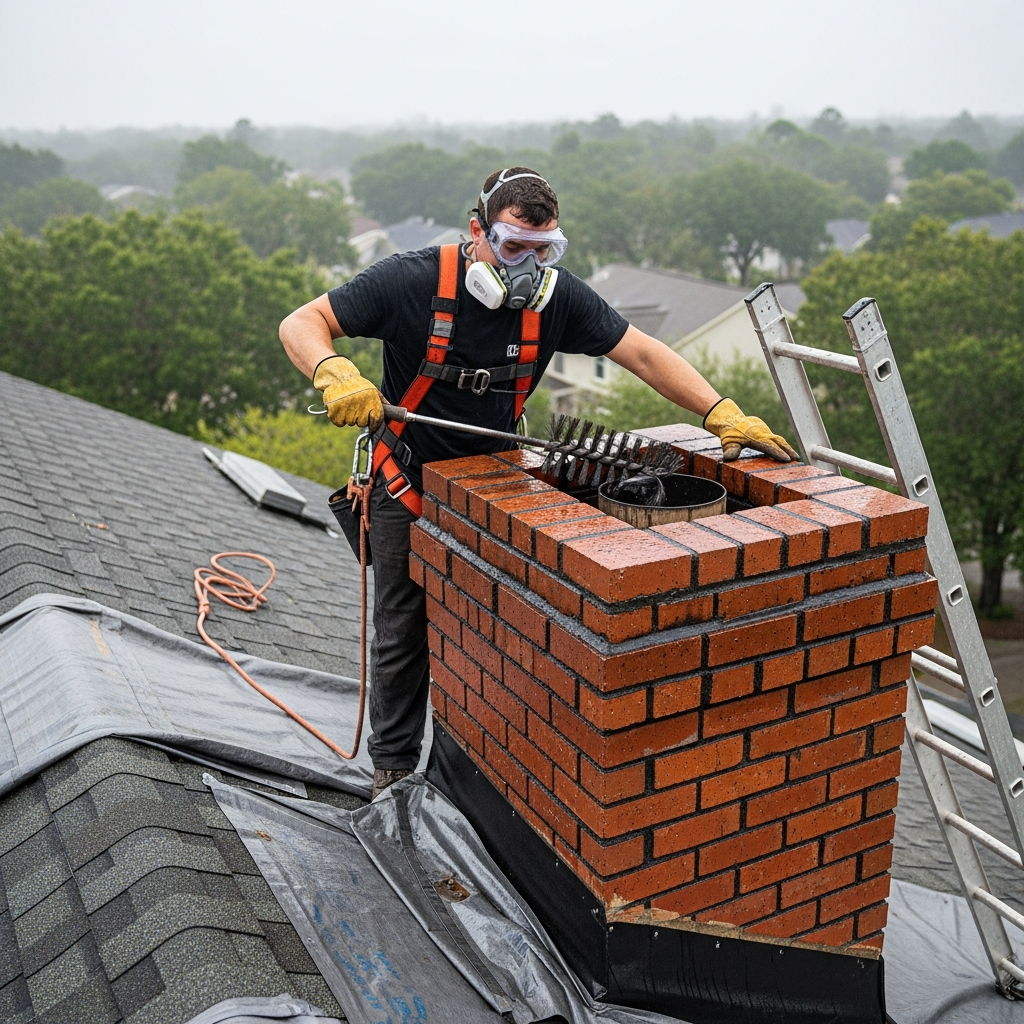
Introduction: Why a Step-by-Step Chimney Cleaning Checklist Matters in Tampa
In Tampa, Florida, fireplaces and chimneys see unique wear from humidity, salt-laden breezes, and intense summer storms. Even if your hearth is only used during occasional cool snaps, soot, creosote, windblown debris, and moisture can still collect inside the flue and around the cap. A precise, methodical process keeps your system safer and more efficient. This step-by-step checklist is tailored for Tampa homeowners who want to understand what thorough chimney cleaning involves, what to look for between professional visits, and how local climate affects your maintenance rhythm. If you are short on time or prefer expert help, consider scheduling professional chimney cleaning so you can enjoy your hearth with confidence.
Before you begin, it helps to remember that soot and creosote are more than just cosmetic concerns. They are byproducts of combustion that can impair airflow and, in severe cases, become a fire hazard. Tampa’s damp air can also encourage odors and accelerate deterioration if residues remain. A good checklist prevents missed steps and helps you document your findings over time, so you can spot repeating issues like persistent odors after rainstorms, off-season animal activity, or staining near the crown.
Safety First: Prepare the Area and Yourself
Start by turning off any gas supply if you have gas logs, and ensure the fireplace is completely cool. In a humid climate, ash and soot can cling to surfaces and spread easily; lay down protective coverings across the hearth and nearby flooring, and drape cleanable coverings over nearby furniture. Close off the fireplace opening with a fitted barrier or taped plastic sheeting to contain dust if you plan to brush from the roof. Wear eye protection, a respirator rated for fine particulates, gloves, and durable clothing. Keep a flashlight and a fully charged phone nearby, and avoid roof work during wet or windy weather, which is common in Tampa’s rainy season.
If you have a steep roof or a multi-story home, resist the temptation to “just take a quick look.” Many chimney tasks are best left to trained technicians with fall-protection equipment. The purpose of a homeowner checklist is to make you informed and prepared, not to push you into risky situations. When in doubt, document concerns and pass them to a certified technician.
Gather and Stage Your Tools
Gather a chimney brush sized to your flue system, extension rods, a sturdy flashlight, a plastic or metal ash shovel, a stiff bristle hand brush, a vacuum with a fine-particle filter, and clean rags. If you plan to inspect from the roof, have a stable ladder, a harness if appropriate, and a partner to spot you. Tampa’s frequent afternoon showers can turn safe footing into a hazard; check weather windows in advance and schedule rooftop tasks earlier in the day.
Keep a simple logbook or digital note to record each cleaning and inspection. Jot down date, humidity conditions, musty odors you detect, any animal activity signs, and the thickness or appearance of creosote. Over time, these notes reveal patterns related to seasonal usage, storms, and ventilation habits.
Step 1: Visual Check of the Fireplace and Surround
Begin inside. Examine the firebox for excessive soot, cracked refractory panels, loose bricks or tiles, and gaps in mortar joints. Shine a light upward to the throat and damper. Make sure the damper opens and closes smoothly and seats fully. In Tampa, summer humidity can cause light surface rust on damper components; note any squeaks, sticking, or pitting so you can lubricate or address corrosion appropriately. Look for staining on the face of the fireplace or the surrounding walls, which can indicate moisture intrusion from above.
Step 2: Assess Ash and Debris
Remove cooled ash with a shovel and vacuum. In humid environments, ash can retain moisture, creating an acrid odor. Bag ash in a sealed, disposable bag and store it away from living spaces until trash day. While clearing ash, look for fragments of tile or masonry that might have fallen from the flue liner, tiny twigs that suggest nesting, or odd residues indicating incomplete combustion. These clues help you anticipate what you may find higher up.
Step 3: Inspect the Flue From Below
With your flashlight, look up into the flue. You may see powdery soot, flaky creosote, or shiny, tar-like glaze. The last type is the most stubborn and indicates high heat, restricted airflow, or no-burn practices like closing the damper too early. Tampa homes sometimes have long off-seasons, and slow-start fires on cooler nights can produce more smoke and condensation, which encourages creosote. Record your observations and proceed based on the amount and type of buildup.
Step 4: Brush the Flue Methodically
If you are trained and equipped to brush, attach your chimney brush to the first rod and feed it carefully into the flue from above or below, depending on your setup. Brush with firm, even strokes, gradually adding rods to reach the full length. Move section by section; rushing leads to uneven cleaning. If the brush snags, do not force it. Withdraw slightly, rotate, and advance again. Working in Tampa’s subtropical climate, it is wise to check for moisture on the brush and flue walls; damp residues smear rather than dislodge easily, indicating a need to wait for drier conditions or to use a different approach.
Pause halfway to evaluate progress. Shine your light to confirm that soot is falling evenly and that you have not compacted debris. This is a good midpoint to reassess ventilation, resecure floor coverings, and ensure the workspace remains clean.
Step 5: Clean the Smoke Chamber and Shelf
The smoke chamber can trap significant debris. With a smaller hand brush and vacuum, work carefully to dislodge accumulations on the smoke shelf and around offsets. This area often harbors twigs or leaves blown in during Tampa’s windy afternoons, and removing them improves airflow dramatically. Keep strokes deliberate and avoid damaging any parging that smooths the chamber walls.
Step 6: Address the Firebox and Components
Wipe down the firebox walls with a dry or slightly damp cloth, depending on surface material and manufacturer guidance. Brush grates, log holders, or gas log burners gently to remove soot. If you have gas logs, verify that ports are clear and that no soot or residue blocks the pilot area. Do not adjust gas components beyond light cleaning unless you are qualified; record any unusual discoloration, as it may signal improper combustion or ventilation.
Step 7: Move to the Exterior—Crown, Cap, and Flashing
From the roof, inspect the crown for cracks that could admit rain. Tampa’s heavy downpours can widen minor cracks quickly. Ensure the cap is secure and screened to deter animals and windblown debris. Look for rust on metal components, and confirm that flashing where the chimney meets the roof is intact and well-sealed. Note any efflorescence or staining on the exterior masonry, which can indicate moisture migration. Clear vegetation that touches the chimney; leaves trap moisture and can scuff soft materials during storms.
Step 8: Verify Draft and Airflow
Return indoors and, with the damper open, test draft by lighting a small piece of rolled newspaper and holding it near the opening, observing whether smoke rises promptly into the flue. Slow or backdrafting smoke can stem from blockages, negative pressure in tightly sealed homes, or damp, cool flue walls that resist warm air flow, a common occurrence after Tampa thunderstorms or during humid spells. Record the results for your log.
Step 9: Odor and Moisture Check
On muggy days, soot odors may intensify. After cleaning, sniff near the opening and around the chase. If you detect persistent mustiness, it may be tied to a cap issue, flashing leak, or a damper that fails to close completely during off-season periods, allowing coastal humidity inside. Consider a top-sealing damper or improved weatherproofing solutions, noted for discussion with a pro.
Step 10: Final Cleanup and Debris Disposal
Vacuum fine dust with a HEPA or similarly effective filter. Avoid spreading soot-laden dust into your HVAC system. Wipe surrounding surfaces and carefully remove protective coverings to keep particulates contained. Store your brush, rods, and protective gear only when completely dry to avoid mildew. In Tampa’s climate, gear left damp quickly develops odors or corrosion, shortening its useful life.
Local Tampa Considerations: Weather, Wildlife, and Usage Patterns
Tampa’s weather shapes your chimney routine. Afternoon storms can deposit leaves and sand in caps, while extended humidity can make small leaks obvious as faint stains or odors. Hurricanes and tropical storms may drive rain into places it normally never reaches, including angled flues and poorly sealed crowns. Between official cleanings, glance at your cap after severe weather to confirm it is secure and unobstructed. Also be mindful of seasonal wildlife; nesting behavior can begin early, and any unusual chirping or debris requires prompt attention and, in many cases, professional removal to comply with wildlife protections.
Common Mistakes to Avoid
Do not gloss over the smoke chamber. Skipping this zone leaves a major choke point dirty. Do not confuse a surface wipe with a full cleaning; creosote accumulation requires thorough brushing. Avoid chemical shortcuts that promise instant results; follow manufacturer guidance and professional recommendations to prevent damage. Above all, never work on a wet roof or in threatening weather, a frequent Tampa reality. If anything feels unsafe or unfamiliar, document the issue and plan a professional visit for a deeper evaluation.
How Often Should You Clean?
Frequency depends on usage, fuel type, and ventilation. In Tampa, even light users benefit from at least an annual inspection because humidity accelerates wear. If you light fires during every cool spell, you may need cleanings more often. Gas fireplaces typically produce less soot but still require inspection for venting integrity and moisture intrusion. Early scheduling—before the first cold snap—avoids crowds and ensures your system is ready when you want it.
When to Call a Professional
Hire a qualified technician when you see shiny, glazed creosote; when draft is persistently weak; if you suspect liner damage; or if roof access is unsafe. Professionals can also scope the interior with specialized cameras, evaluate masonry integrity, and confirm that installation details meet current standards. They know how Tampa’s weather patterns affect venting and can recommend solutions tailored to your home’s architecture and exposure. If your schedule is packed or you prefer an expert touch, mid-season or pre-season chimney cleaning can keep your system performing well without the hassle of DIY work.
Frequently Asked Questions
How do I tell the difference between soot and creosote? Soot is typically soft and powdery, while creosote can be flaky or hard and shiny. The more hardened it is, the more difficult it is to remove, and the more you should rely on a qualified technician.
Is it okay to burn softwoods in Tampa? Dry, seasoned hardwoods are usually preferred, but the key is moisture content. Wood that is properly seasoned burns hotter and cleaner, reducing residue. Avoid burning trash or treated wood, which can create corrosive deposits.
Why does my chimney smell worse in summer? Warm, humid air can push odors downward, especially when air conditioning creates negative pressure indoors. Properly closing the damper, ensuring a good cap, and addressing moisture entry points can help.
Can I use my gas fireplace without annual cleaning? Even gas appliances benefit from yearly checks to confirm the vent path is clear and components are operating safely. Humidity can still cause corrosion or allow pests into exposed openings.
What signs indicate animal activity? Twigs, feathers, nesting materials, chirping, or sudden draft changes are clues. Wildlife protections may apply, so contact a professional for humane, legal removal and to fit an effective cap.
How long does a thorough cleaning take? Duration varies with chimney height, buildup type, and access. What matters most is completeness—each step should be methodical, not rushed.
Do storms affect my cleaning schedule? After major storms, perform a quick visual check of the cap and exterior. If you suspect water intrusion or see debris, schedule an inspection to prevent hidden damage.
Can I paint the inside of my fireplace to make it look new? Use only materials approved for high-heat applications if any aesthetic changes are made, and never coat flue interiors with products not designed for that purpose.
Schedule Your Tampa Chimney Service Today
If you want the reassurance that every part of your chimney has been cleaned and evaluated with local conditions in mind, schedule professional chimney cleaning and let an expert verify draft, cap integrity, and moisture protection. A well-maintained system rewards you with cleaner burns, fewer odors, and peace of mind through Tampa’s variable seasons. Reach out, get on the calendar before the next cool spell, and enjoy your fireplace with confidence and safety at the forefront.