In everyday conversation, “chimney sweep” and “chimney cleaning” are used interchangeably. But for Tampa homeowners who want safe, odor‑free, and efficient fireplaces, it helps to understand how the terms differ, how service scope can vary, and what’s most appropriate for different systems and seasons. Florida’s Gulf Coast climate—humid, breezy, and prone to fast‑moving storms—adds its own twist. This guide clarifies what each phrase typically includes and how to choose the right approach for your home. If you’re starting from scratch and want the most comprehensive option for Tampa conditions, schedule professional chimney cleaning to establish a clean baseline and a moisture‑aware maintenance plan.
“Chimney Sweep” in Historical and Modern Terms
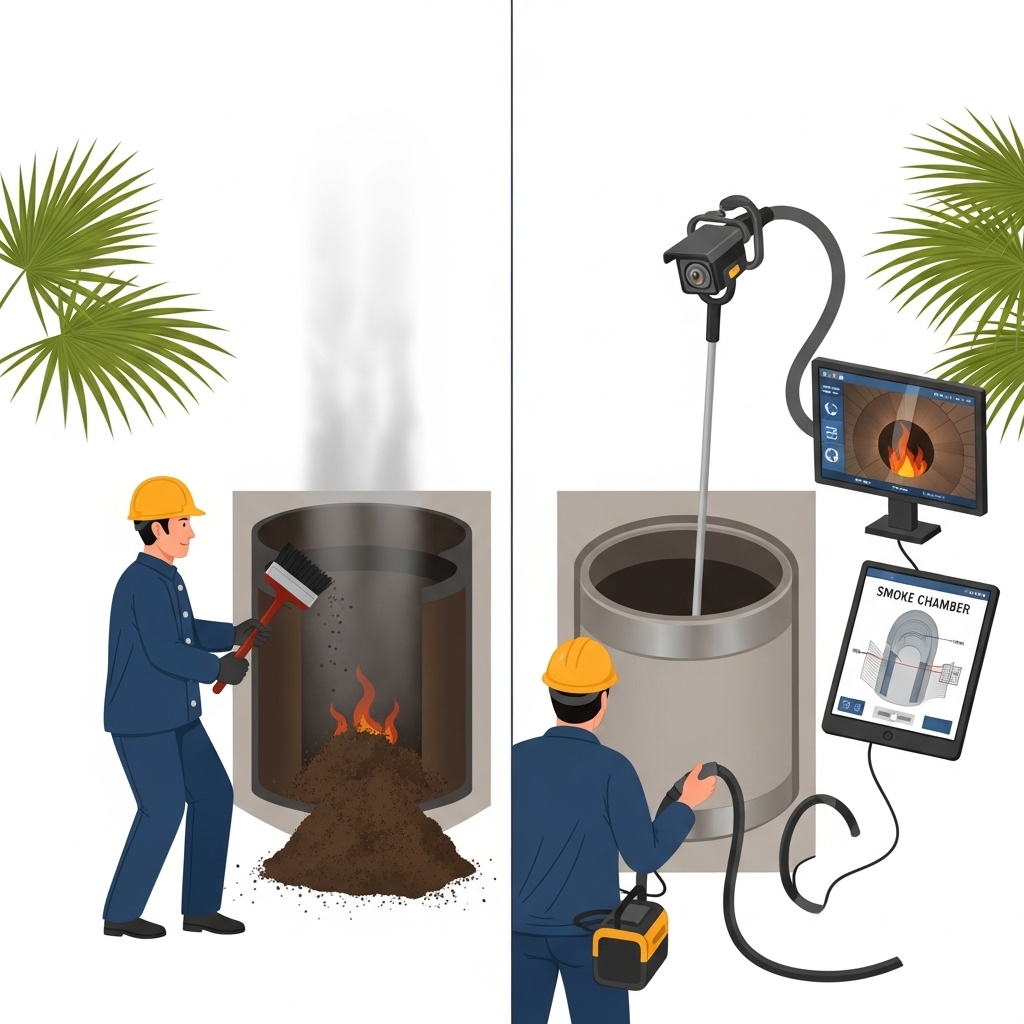
Historically, a chimney sweep was a person who removed soot from flues, often from rooftops with simple brushes. Modern sweeps are trained technicians who combine cleaning with inspection, documentation, and homeowner education. Today, when someone says they’re hiring a sweep, they usually mean they’re bringing in a professional to clean and review the system for safety. The exact scope can vary by company and by the type of fireplace.
“Chimney Cleaning” as a Service Scope
Chimney cleaning typically refers to the complete process of removing soot and creosote from the flue, smoke chamber, and firebox, plus verifying that components like caps and dampers are functioning as intended. In Tampa, a moisture‑aware cleaning also considers how storm‑driven rain, humidity, and salt air affect surfaces, odors, and metal components. A robust cleaning service integrates both cleaning and inspection so you get a safer, better‑performing system, not just a brushed‑down flue.
Why the Distinction Matters in Tampa
Because our climate is humid, odors can rise on days without a fire. Debris from live oaks and palms collects on caps and around crowns. Storm winds test flashing and chase covers. A service that thinks beyond the brush—looking at water pathways, corrosion, and animal screening—better suits Tampa’s realities. Whether you call it a sweep or a cleaning, make sure the provider delivers a thorough, documented process.
Core Tasks You Should Expect
- Home protection with drop cloths and containment.
- Appropriate brushing and vacuuming of the flue interior.
- Smoke chamber and smoke shelf debris removal.
- Firebox tidying and visual checks of readily accessible parts.
- Exterior component review: caps, crowns, chase covers, and flashing where accessible.
- Operational checks of dampers and, for gas units, basic component cleanliness.
- Documentation through photos or video as needed.
Appliance‑Specific Nuance
Masonry fireplaces can accumulate creosote at offsets or rough interior surfaces. Factory‑built fireplaces demand care around listed components and clearances. Gas units produce less soot but require checks for insects, dust, and proper venting. Pellet appliances need ash pathway attention and vent care for fans and sensors. A provider who tailors methods to your unit demonstrates the difference between a generic sweep and a true cleaning service.
How Often Should Service Occur?
An annual visit is a solid baseline for Tampa. If you host frequent gatherings or burn often during cold snaps, plan a mid‑season touch‑up. For gas systems used primarily for ambiance, periodic cleaning and inspection still catch debris and confirm safe operation. The goal is to remove residue before humidity and storms carry odors into living spaces.
Mid‑Guide Tip: When to Choose a Full Cleaning
Choose a full cleaning when you’re preparing for a season of use, when odors persist on humid days, or after major storms. A complete service removes residue, verifies draft, and addresses moisture entry points. If you’re deciding between a quick check and a more detailed appointment, align your choice with comprehensive chimney cleaning so you leave no performance or safety stone unturned.
DIY Attention vs. Professional Care
Homeowners can handle basic tasks: clearing the hearth, storing seasoned wood, and checking that the cap remains intact after storms. Professionals bring specialized tools, high‑filtration vacuums, and the experience to spot early signs of trouble like crown cracks or chase cover corrosion. They also understand safe roof access on tile and metal roofs common in Tampa neighborhoods.
Storm‑Season Realities
After strong wind events, inspect from the ground. Confirm the cap is straight, screen intact, and no metal pieces have fallen. Look indoors for new stains near the chimney chase. If anything looks off, pause fireplace use and schedule a professional review. Storms can shift components just enough to affect draft or admit water that causes odors later.
Odor Control: The Tampa Challenge
Odors form when moisture meets soot. The solution is twofold: remove residue and block water pathways. Ask about cap styles that shed wind‑driven rain, the condition of crowns or chase covers, and flashing integrity. If you smell a smoky scent during humid afternoons, a cleaning plus moisture strategy is the fix you’re looking for.
Common Misconceptions
- “Gas doesn’t need cleaning.” Debris and insects still cause problems; vents and seals must be checked.
- “I barely use it, so there’s nothing to remove.” Debris and moisture can accumulate even in idle systems.
- “A quick sweep is all anyone needs.” Without inspection and documentation, hidden issues can linger.
What High‑Quality Service Feels Like
You’ll notice careful preparation, clear explanations, and a tidy work area when the team leaves. You’ll receive photos showing interior surfaces and exterior components. You’ll understand what was done, what was found, and any recommended improvements prioritized for safety and longevity. That’s the practical difference between a basic sweep in name and a thorough cleaning in practice.
FAQs
Q: How do I know which term to ask for when I call?
A: Describe your system, usage, and concerns. Ask for a full cleaning with inspection and documentation. A good provider will tailor the service regardless of the terminology.
Q: How long does a typical visit take?
A: It depends on buildup, access, and whether additional diagnostics are needed. Straightforward systems often fit within a half‑day, while complex setups take longer.
Q: Will the process be messy?
A: With proper containment and filtration, your living area should remain clean. Ask about the crew’s protection methods.
Q: Do I need service if I only use a gas log set for ambiance?
A: Yes. Dust, insects, and residue can affect sensors and venting. Periodic cleaning keeps operation safe and reliable.
Q: What about tile or metal roofs?
A: Safe access is essential. Experienced teams come prepared with roof‑friendly methods suited to Tampa’s common materials.
Putting It All Together
Whether you call it a sweep or a cleaning, the right approach for Tampa homes combines soot removal, inspection, moisture control, and documentation. Choose providers who protect your home, anticipate storm‑season effects, and explain findings clearly. With the correct plan in place, you’ll enjoy smoother starts, cleaner glass, and a fresher‑smelling living room year‑round.
Ready for a Fresher, Safer Fireplace?
Set yourself up for success with a thorough, moisture‑minded service that respects your home and Tampa’s climate. Schedule comprehensive chimney cleaning and enjoy peace of mind the next time a cool evening invites a fire.