
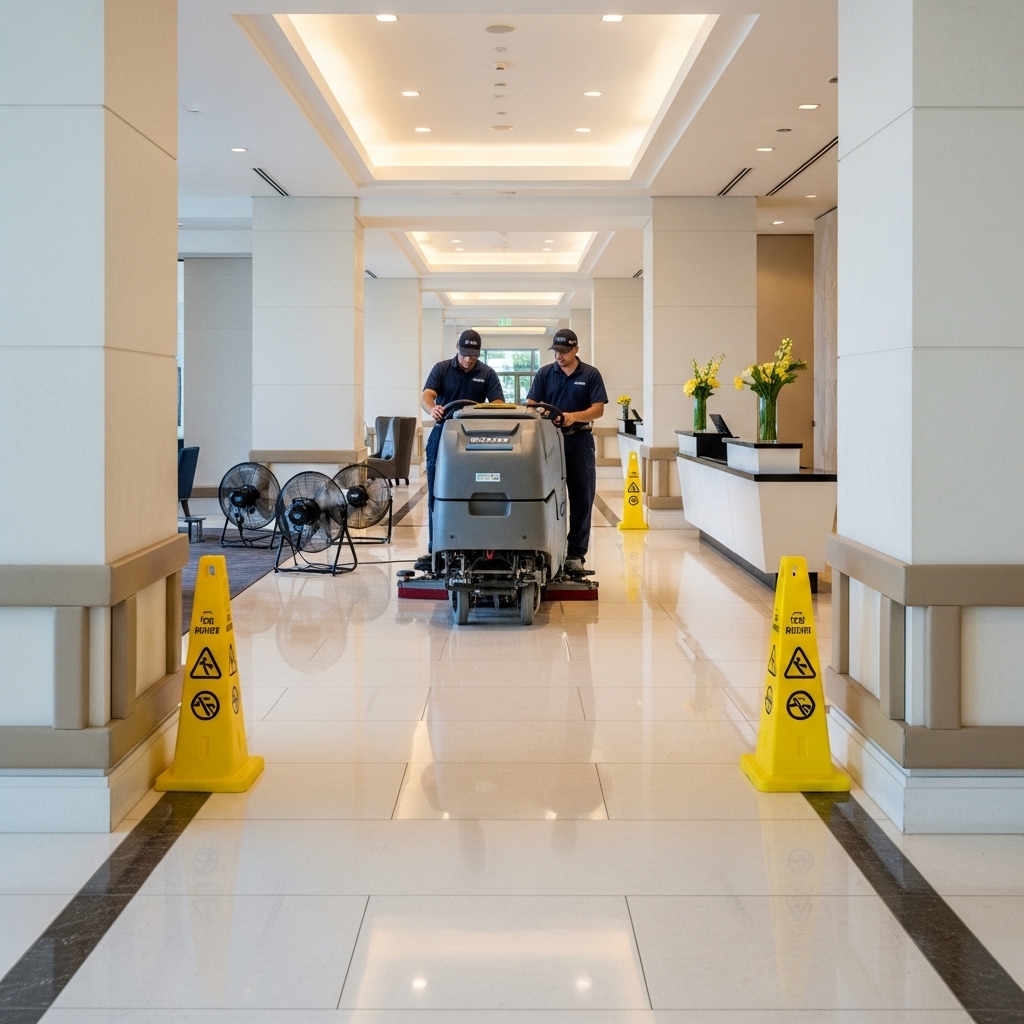
In Tampa’s commercial spaces—restaurants, medical offices, retail shops, schools, fitness studios, and hotels—tile floors absorb a daily mix of foot traffic, tracked-in grit, spills, and humidity. Presenting a clean, slip-resistant, and professional floor is not just about appearance; it supports safety, brand standards, and regulatory compliance. If you are planning a facility-wide tile cleaning, a detailed checklist can streamline scheduling, prevent downtime surprises, and align expectations with your service provider. This guide offers a comprehensive, Tampa-specific checklist for operations teams, facility managers, and business owners who want consistent results across multiple areas. As you map out your plan, remember that timely tile cleaning makes ongoing maintenance more efficient and helps protect your capital investment.
Commercial environments differ from homes in volume, risk profile, and layout complexity. Kitchens, lobbies, restrooms, locker rooms, exam rooms, and back-of-house corridors each demand specific attention. Having a thorough checklist ensures that technicians arrive prepared, stakeholders understand the schedule, and sensitive spaces are protected. The result is cleaner floors and smoother operations during and after the service window.
Pre-Project Planning
- Define goals: Safety, appearance, odor control, sanitization emphasis, or preparing for inspections.
- Identify areas by priority: High-visibility lobbies and restrooms first, then kitchens or production corridors, then secondary spaces.
- Confirm tile types: Ceramic, porcelain, quarry, stone, or specialty materials with coatings or anti-slip textures.
- Map access and logistics: Entry points, elevator availability, hose runs, and water access.
- Decide sequencing: Night or early-morning work, zone-by-zone closures, and staging areas for equipment.
- Notify stakeholders: Staff, tenants, housekeeping, and security teams should be briefed on timing and restricted zones.
Scope and Specifications
- Soil conditions: Grease in kitchens, sugary residues in concessions, lotion-based residues in spas and fitness centers, or medical-grade disinfection priorities.
- Edges and baseboards: Include detailing along walls, under shelving overhangs, and around floor drains.
- Grout focus: Identify discolored lanes and any cracked or recessed grout that needs careful agitation.
- Vertical surfaces: Include shower walls, cove bases, or tiled stair risers if applicable.
- Protection: Corner guards, floor protection for adjacent carpet, and masking for metal thresholds and kick plates.
- Post-clean protection: Grout sealing or color sealing for high-traffic zones where staining recurs quickly.
Day-Before Checklist
- Clear floors: Move portable fixtures, floor displays, mats, and trash receptacles.
- Communications: Place signage informing staff and guests of scheduled cleaning and restricted access times.
- Security coordination: Provide access badges and confirm after-hours contacts.
- HVAC planning: Ensure ventilation to aid drying and reduce moisture buildup overnight.
- Water and power: Confirm supply access and nearby outlets.
Service-Day Execution Plan
- Pre-inspection: Walk with the lead technician to confirm scope, sensitive areas, and sequencing.
- Dry soil removal: Vacuum or dust mop to prevent abrasion from grit during wet steps.
- Pre-treatment: Apply targeted solutions for grease, sugary soils, body oils, or hard water residues.
- Agitation: Use appropriate brushes for quarry tile, textured porcelain, or epoxy grout; detail around drains and corners.
- Rinse and extract: High-flow, controlled extraction to pull suspended soils and residues.
- Neutralize: Restore pH balance to reduce re-soiling and prepare surfaces for sealing if specified.
- Protection: Apply sealer to grout or stone where planned; set up fans for accelerated drying.
- Final inspection: Joint walkthrough with facility representative; document results and note touch-ups.
Area-Specific Considerations
- Lobbies and corridors: Focus on uniform appearance, slip resistance, and fast dry times to reopen promptly.
- Restrooms: Address build-up around fixtures and partitions; ensure proper ventilation to speed drying.
- Commercial kitchens: Prioritize degreasing and thorough rinsing; detail grout lines near cooklines, prep tables, and dish areas.
- Locker rooms and spas: Treat body oils and lotions; pay special attention to drains, benches, and corners.
- Healthcare suites: Use compatible products and protocols for sensitive environments; coordinate with compliance officers.
- Retail: Work around fixed displays and under-edge shelving; plan sections to maintain guest pathways.
Safety and Compliance
- Slip prevention: Place caution signage and restrict access until surfaces are dry to the touch.
- Ventilation: Run HVAC or fans to reduce humidity and speed cure times for any protectants.
- Chemical management: Confirm product labels, SDS availability, and suitability for your tile type.
- Electrical safety: Keep cords managed and protected from wet areas; use grounded outlets.
- Wastewater handling: Ensure proper disposal in accordance with facility policy.
Quality Assurance
- Test areas: Agree on a representative test area to set appearance expectations.
- Photo documentation: Capture before-and-after images for records and stakeholder reporting.
- Touch-up plan: Identify any persistent stains that may require color sealing or extra detailing on a follow-up visit.
- Acceptance checklist: Confirm scope completion, dry times, and post-clean recommendations.
Maintenance Strategy Post-Cleaning
Your long-term results will depend on daily and periodic care. Neutral pH cleaners, microfiber mops, and a disciplined dust-control program are essential. Mats at entries, frequent dust mopping in peak hours, and targeted spot treatments in spill-prone areas keep floors looking fresh and reduce slip risk. Where feasible, schedule maintenance cleans at intervals appropriate to traffic volume. If grout sealing was applied, create a reminder for a water-drop test to evaluate beading and signal when it is time to discuss reapplication.
Aligning Vendor Capabilities with Facility Needs
Not all commercial floor vendors are equal. Look for experience with your tile types and environments, such as quarry tile near fryers or textured anti-slip tile in pool areas. Ask about pre-inspection, neutralization, edge detailing, water containment near drains, and fan-assisted drying. Above all, favor transparent communication and scope documentation. In many cases, booking professional tile cleaning with a vendor who knows Tampa’s commercial realities will reduce disruption and deliver consistent outcomes from job to job.
Common Pitfalls to Avoid
- Skipping dry soil removal: Leads to abrasion and poor results.
- Using harsh acids indiscriminately: Can etch grout or damage stone and metal fixtures.
- Insufficient rinse: Leaves residues that attract dirt, causing rapid re-soiling.
- Over-wetting: Increases dry times and can affect adjacent materials.
- Neglecting edges and corners: Creates visible halos around baseboards and fixtures.
- Rushing reopen decisions: Foot traffic on damp floors can create scuffs and transfer soils immediately.
Frequently Asked Questions
Q: How often should commercial tile be professionally cleaned? A: It depends on traffic and soil type. Busy kitchens, locker rooms, and lobbies may require more frequent service than offices or low-traffic corridors. Build a schedule around peak seasons and inspection calendars.
Q: Can customers walk on the floor during cleaning? A: No. Restrict access to active zones and use signage. Your provider should plan sequencing to keep essential pathways open while protecting wet areas.
Q: Do we need to close the facility? A: Not always. Many services can be performed after hours or in phases. Coordinate timing with cleaning crews, security, and operations to minimize impact.
Q: Will cleaning affect slip resistance? A: Proper cleaning and residue removal typically improve traction by eliminating greasy films. Your provider can discuss product choices for sensitive areas.
Q: What if stains remain after cleaning? A: Some staining is permanent due to dye transfer or chemical etching. Options like color sealing can create a uniform look where cleaning alone cannot resolve discoloration.
Q: Should we seal grout in commercial spaces? A: Many facilities benefit from grout sealing in high-traffic and spill-prone areas. It simplifies maintenance and can extend the window between deep cleans.
Final Checks for Facility Managers
- Verify that all areas in scope were completed and documented.
- Confirm dry times and reopening plans per zone.
- Store product data sheets and service reports for compliance files.
- Train in-house staff on daily maintenance and spot cleanup protocols.
- Set calendar reminders for periodic maintenance visits.
Elevate First Impressions and Safety in Your Facility
Clean tile supports your brand, reduces slip risks, and shows care for guests and staff. When it is time to refresh grout lines and restore a uniform look, partner with a provider that understands your operational realities and the demands of Tampa’s climate. For a streamlined plan, expert scheduling, and consistent results across zones, coordinate tile and grout cleaning with a commercial team that can meet your standards and timeline.