
Dryer vents are one of those hidden household systems you rarely think about—until clothes take forever to dry, the laundry room feels unusually warm, or a faint burnt-lint odor appears. In Naperville, Florida, changing seasons and varied home designs amplify the need for routine care. This guide walks you through how dryer vents work, why cleaning matters, what you can handle on your own, and when to call in a professional. You will also find maintenance tips tailored to Naperville’s climate, a step-by-step overview of a professional visit, and answers to common questions from local homeowners.
If you want to reduce fire risk, improve efficiency, and extend the life of your dryer, consistent dryer vent cleaning is essential. Airflow restrictions—caused by lint buildup, crushed ducting, bird nests, or frozen exterior caps—force the dryer to work harder and longer. Over time, this stress can lead to overheating, frequent cycle restarts, and premature wear on components. A smooth, unobstructed vent route prevents these issues and keeps your laundry routine predictable and efficient.
How a dryer vent system works
Clothes dryers remove moisture by tumbling garments in warm air, then pushing that moist air through the vent and outside. The vent system usually consists of a short transition hose from the dryer to the wall or floor connection, followed by rigid or semi-rigid ductwork that travels to an exterior termination. Along this path, lint can collect—especially at elbows and low points where air slows or where condensation may occur in cold weather. The exterior cap includes a damper that opens under airflow and closes when the dryer is off to keep pests out and reduce drafts.
When lint accumulates, the dryer experiences backpressure. Clothes stay damp longer, temperatures climb, and sensors may misread moisture levels. You may notice multiple cycles are needed or that towels stay slightly damp even after a timed dry. Clearing the vent restores proper airflow, allowing the dryer to remove moisture efficiently and accurately.
Naperville-specific challenges
- Cold winters: Ice can stiffen or freeze exterior dampers, trapping lint and restricting airflow.
- Humid summers: Moisture can help lint adhere to duct walls, creating thicker layers over time.
- Roof terminations: Common in multi-story homes, these require careful cleaning and inspection.
- Tree-lined neighborhoods: Leaves and nesting materials can collect at wall hoods.
- Busy households: Frequent laundry accelerates lint buildup and makes annual checks vital.
DIY maintenance you can do safely
There are several meaningful tasks homeowners can perform between professional visits. These steps support airflow and reduce the chance of severe lint accumulation.
- Clean the lint screen before every load. A quick swipe removes trapped fibers that would otherwise migrate.
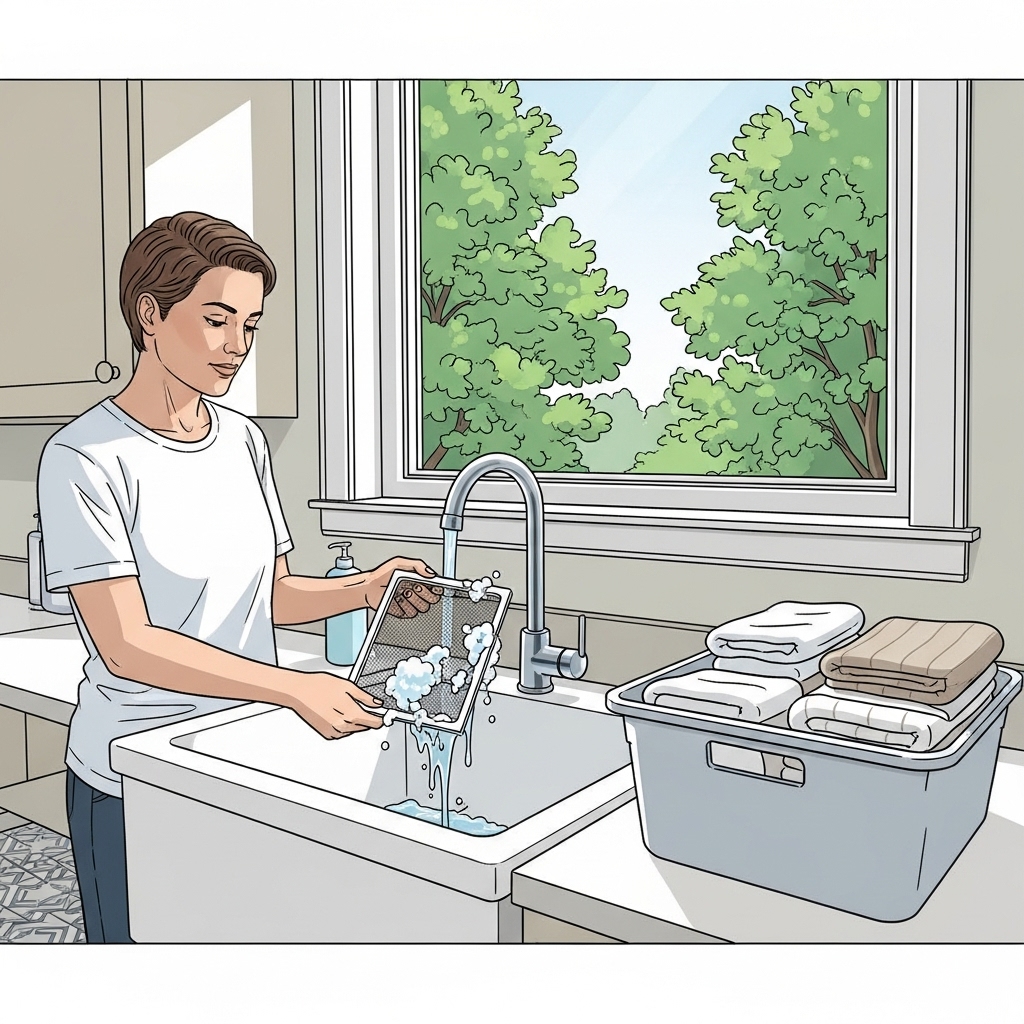
- Wash the lint screen monthly using mild soap and water to remove fabric softener residue.
- Wipe the dryer’s moisture sensor bars with a soft cloth to prevent false readings.
- Vacuum behind and under the dryer twice a year to collect dust and stray lint.
- Check the exterior termination monthly. Ensure the damper opens fully and clear away leaves or snow.
While DIY tasks matter, they are not a substitute for clearing the full duct. If your vent route includes multiple elbows, long vertical sections, or a roof exit, specialized equipment is needed to clean it thoroughly.
How professionals clean a dryer vent
Professional technicians use rotary brushes or compressed air tools designed to scrub interior duct surfaces and move lint toward a collection system. They start by disconnecting the transition connector, protecting nearby surfaces, and assessing the route length and geometry. If needed, they access the exterior and verify that the cap or roof termination opens freely. After cleaning the full run, they measure airflow to confirm improvement and check for damage, disconnected joints, or improper materials.
In Naperville’s two-story homes, vents often run through walls and attics to the roof. These routes require careful navigation to avoid damaging elbows and to eliminate compacted lint layers that DIY kits may not reach. Technicians carry the proper rods, brushes, and safety gear to ensure a complete job.
How to tell when it is time to schedule
- Dry times increase noticeably across multiple loads.
- You smell a faint, hot-lint odor during or after cycles.
- The exterior damper barely opens or air feels weak at the termination.
- Clothes feel very hot, but still damp at the end of a cycle.
- Your dryer shuts off mid-cycle and restarts after cooling.
These indicators suggest the dryer is struggling to exhaust air. An inspection will determine whether lint accumulation, a stuck damper, or a crushed connector is to blame.
Improving your system for better results
- Use smooth-wall metal ducting for long runs and minimize the number of elbows.
- Keep the transition connector short and avoid foil or vinyl products.
- Install a dryer-rated termination with a free-moving damper and no screen that can trap lint.
- Support long horizontal runs to prevent sagging that collects debris.
- Seal joints with foil tape rather than screws that protrude into the airflow.
Small upgrades can significantly boost airflow and reduce the frequency of cleanings. Your technician can prioritize changes based on your home’s layout and your family’s laundry habits.
Seasonal maintenance plan for Tampa homes
- Winter: Check for frost or ice around the exterior cap and clear snow accumulation.
- Spring: Inspect the termination for nesting materials and confirm the damper moves smoothly.
- Summer: Vacuum behind the dryer and review the route for kinks after any appliance moves.
- Fall: Trim landscaping near wall hoods and schedule your annual professional cleaning.
Aligning maintenance with the seasons keeps your system ready for the demands of colder months and heavy laundry periods.
Mid-guide checkpoint: are you seeing the right airflow?
A quick test can tell you a lot: with the dryer running on air-only or a timed cycle, go outside and feel the exhaust. Strong, warm airflow and a fully opening damper indicate a healthy system. If airflow is weak or the flap barely lifts, restrictions are likely somewhere along the route. That is a good moment to schedule professional dryer vent cleaning so you can avoid long cycles and unnecessary wear.
Safety reminders
- Never leave the house with the dryer running.
- Do not use screens over the termination; they trap lint and create a fire hazard.
- Keep combustibles away from the dryer and the vent path.
- If you smell a burning odor, stop the dryer and arrange an inspection.
These practices complement regular cleaning and help maintain a safe laundry environment.
What to expect during a service visit
On arrival, the technician will review your concerns, confirm the vent path, and set up protection for floors and nearby surfaces. The cleaning equipment is staged near the laundry area and, if needed, at the exterior termination. The technician then brushes the interior of the duct to break up lint deposits, collects debris with a vacuum, and verifies the damper opens fully. Finally, they document any recommended upgrades, measure airflow, and walk you through the results.
Most visits are efficient and minimally disruptive. The laundry area should be left clean, with the dryer re-leveled and reconnected securely.
Extending the life of your dryer
Dryer components, including heating elements, thermostats, and motors, operate under less strain when airflow is strong. That means fewer cycle restarts, less heat stress on electronics, and more accurate moisture sensing. Clean vents also reduce lint migration inside the dryer cabinet, where it can insulate hot parts. Keeping the vent clear is one of the simplest ways to promote longevity and consistent performance from your appliance.
Frequently Asked Questions
Q: How often should I clean my dryer vent in Naperville? A: Many households do well with annual service. Homes with large families, pets that shed, or long vent runs may need more frequent attention.
Q: Can I use a shop vacuum to clean the entire vent? A: You can remove surface lint near the dryer connection, but a shop vacuum cannot navigate long ducts and elbows effectively. Professional tools are designed for the full route.
Q: Is it safe to use mesh screens at the termination? A: No. Screens trap lint and can block airflow. Use a dryer-rated hood with an integrated damper.
Q: Do heat pump or condenser dryers need vent cleaning? A: Ventless models have different maintenance needs, but traditional vented dryers rely on a clear exhaust path and require routine cleaning.
Q: What if my vent exits the roof? A: Technicians can clean roof terminations safely and verify that the damper works correctly afterward.
Q: Will cleaning help with laundry room humidity? A: Yes. Improved exhaust reduces moisture in the laundry area, helping prevent mildew odors and condensation.
Q: Can I combine cleaning with other services? A: Many homeowners pair vent cleaning with appliance maintenance or indoor air quality checks for convenience.
Ready for a safer, faster laundry routine?
If you are noticing longer dry times, weak outdoor airflow, or a persistent warm smell in the laundry room, take action now. Schedule professional dryer vent cleaning and enjoy dependable performance, better safety, and peace of mind in your Tampa home.