
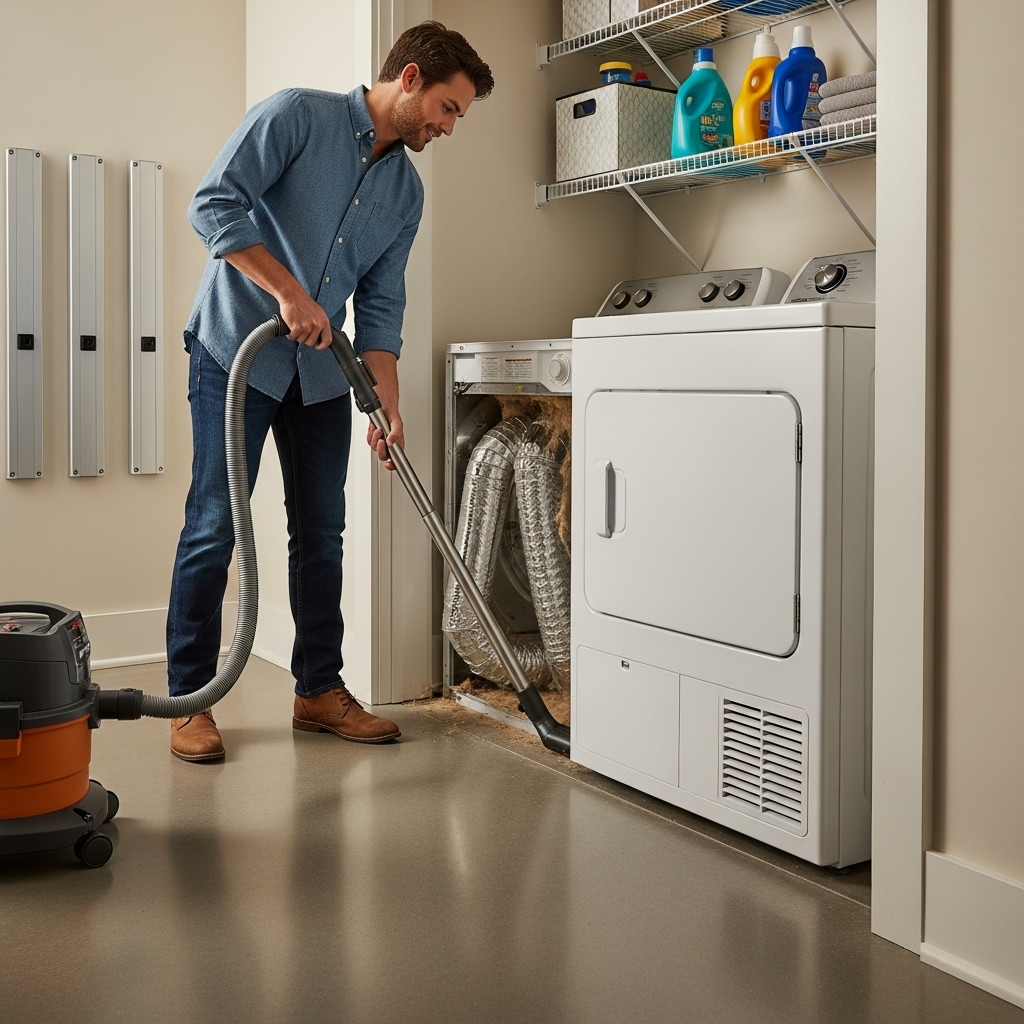
A clean, efficient dryer vent is a cornerstone of home safety and everyday convenience. In Naperville, Florida, the combination of cold winters, hot summers, and leafy neighborhoods creates conditions where lint accumulates quickly and exterior dampers can stick or clog. With the right maintenance routine, you can protect your home, shorten drying times, and extend the life of your appliance. This guide delivers practical, Naperville-focused tips you can implement today, plus advice on when to call a professional for deeper service and inspection.
Even if you stay on top of the lint screen and keep the laundry area tidy, periodic professional dryer vent cleaning remains essential. DIY care helps reduce buildup, but it cannot replace specialized tools that brush and vacuum the full duct length, including elbows and roof exits. A balanced plan—simple weekly habits, seasonal checks, and annual professional service—offers the best protection against overheating, fire risk, and appliance strain.
Your weekly routine
- Empty the lint screen before every load. It is the easiest and most effective habit for maintaining airflow.
- Inspect the screen for tears or warping. Replace damaged screens so fibers do not bypass into the duct.
- Do not overload the dryer. Overstuffed drums limit tumbling, slowing evaporation and creating extra lint.
- Run similar fabrics together. Mixed loads (heavy towels with light shirts) dry unevenly and waste energy.
These small steps reduce lint output and keep dry times reasonable. If you see lint clinging to the screen after cleaning, wash it monthly with warm water and mild soap to remove residue.
Monthly and seasonal checks
- Wipe the dryer’s moisture sensor bars to promote accurate shutdowns.
- Vacuum behind and under the dryer to capture dust bunnies and stray lint.
- Confirm the transition connector is not crushed when the dryer is pushed back into place.
- Examine the exterior termination. Look for leaves, snow buildup, or a damper that sticks.
- Spring and fall: Trim vegetation around wall hoods and confirm the flap opens fully under airflow.
In Naperville’s winters, ice can stiffen the damper. If you notice the flap not opening, stop running the dryer and address the blockage or call a technician.
Optimize the vent path
- Prefer rigid or semi-rigid metal ducting for the main run to reduce friction and lint snags.
- Minimize elbows and keep runs as short and straight as possible.
- Support long horizontal sections to prevent low spots where lint collects.
- Use foil tape on joints—avoid screws that protrude into the airflow path.
- Choose a dryer-rated termination without a screen that can trap lint.
These improvements increase airflow and reduce how often you need deep cleaning. If your vent currently exits the roof, consider a professional review to verify the cap, damper, and weatherproofing are in good condition.
Recognize early warning signs
- One cycle becomes two to get towels fully dry.
- The laundry room feels unusually warm or humid after a load.
- A faint burnt-lint smell lingers during operation.
- Outdoor airflow feels weak and the damper barely opens.
- You notice lint collecting around the wall hood or on nearby siding.
These signals indicate worsening restriction. Do not ignore them—acting early protects your dryer and reduces the likelihood of overheating.
Why DIY is not enough by itself
Homeowners can manage the lint screen and accessible areas, but deep cleaning requires brush systems that reach the entire duct. Roof exits and long interior runs common in Tampa make DIY kits unreliable. Incomplete cleaning can leave compacted lint layers that continue to restrict airflow and may dislodge later into the dryer. Professional service verifies the entire path is clear and the termination works as designed.
Mid-guide reminder: verify airflow
Turn the dryer on air-only, then check the exterior hood. You should feel strong, steady exhaust and see the damper open fully. Weak airflow is a clear signal to schedule professional dryer vent cleaning. Restoring full exhaust not only speeds up cycles but also reduces stress on heating elements and sensors.
Prevent pests and outdoor blockages
- Use a dryer-rated termination with an integrated damper to deter birds and rodents.
- Avoid mesh screens that catch lint—choose designs made for dryers.
- Keep mulch and landscaping materials away from the hood to maintain clearance.
- After storms, verify the flap is unobstructed by wind-blown debris.
Naperville’s mature trees and active wildlife make exterior checks especially important, particularly in spring nesting season and after heavy winds.
Protect the laundry area
- Keep the space around the dryer free of boxes, fabrics, or chemicals.
- Ensure adequate ventilation and do not block the dryer’s intake grills.
- Use heat-resistant flooring or mats if the laundry area doubles as storage.
- Teach family members to clean the lint screen and report slow drying promptly.
A tidy, well-ventilated laundry area helps prevent lint from accumulating near heat sources and makes service visits faster.
When to call a professional
- You have a long or complex vent route with multiple elbows.
- The vent exits the roof or an upper-story wall.
- You suspect a bird nest or the damper does not move freely.
- The transition connector is damaged or repeatedly crushed.
- Dry times have lengthened despite diligent DIY habits.
Professionals not only clean but also evaluate system design, recommending targeted fixes that improve reliability and safety.
What to expect during professional service
The technician will review your concerns, map the vent path, and protect floors. Using rotary brushes or air whips, they scrub the duct interior while collecting debris with a vacuum. They will clear the termination, confirm the damper operates correctly, check for crushed or disconnected sections, and measure airflow before and after. If necessary, they will suggest safer connectors, route adjustments, or termination upgrades.
Most appointments are straightforward. The key is thoroughness—every section from the dryer connection to the termination must be addressed to ensure lasting results.
Extend dryer life with better airflow
Strong exhaust prevents heat buildup, reduces cycle times, and keeps sensors accurate. Less heat stress means fewer shutdowns and less wear on components. Over the years, that adds up to fewer repairs and a dryer that performs consistently.
Frequently Asked Questions
Q: How often should my vent be professionally cleaned? A: Many Tampa homes benefit from annual service, with larger households considering more frequent checks.
Q: Is flexible foil duct safe? A: Foil duct can crush easily and trap lint. Semi-rigid or rigid metal transitions are preferred, especially for tight spaces behind the dryer.
Q: Can I install a bird screen over the hood? A: Avoid screens that capture lint. Instead, use a dryer-rated termination with an integrated damper or guard designed for dryers.
Q: Will cleaning reduce energy use? A: Yes. Faster drying means shorter run times, which typically lowers overall energy consumption.
Q: What if my laundry room smells musty? A: Poor exhaust can leave moisture behind. A cleaning and termination check often resolves musty odors.
Q: Do stackable units need special attention? A: Space is tight, so correct connector choice and careful routing are crucial. A professional can ensure a safe, efficient setup.
Q: Can I run the dryer during extreme cold? A: Yes, but verify the exterior damper is not frozen shut and that airflow remains strong.
Make your Tampa home safer today
If you are seeing longer dry times, warm laundry rooms, or weak exterior airflow, prioritize a thorough inspection and cleaning. Schedule professional dryer vent cleaning to restore safe, efficient operation and keep your home protected all year long.