
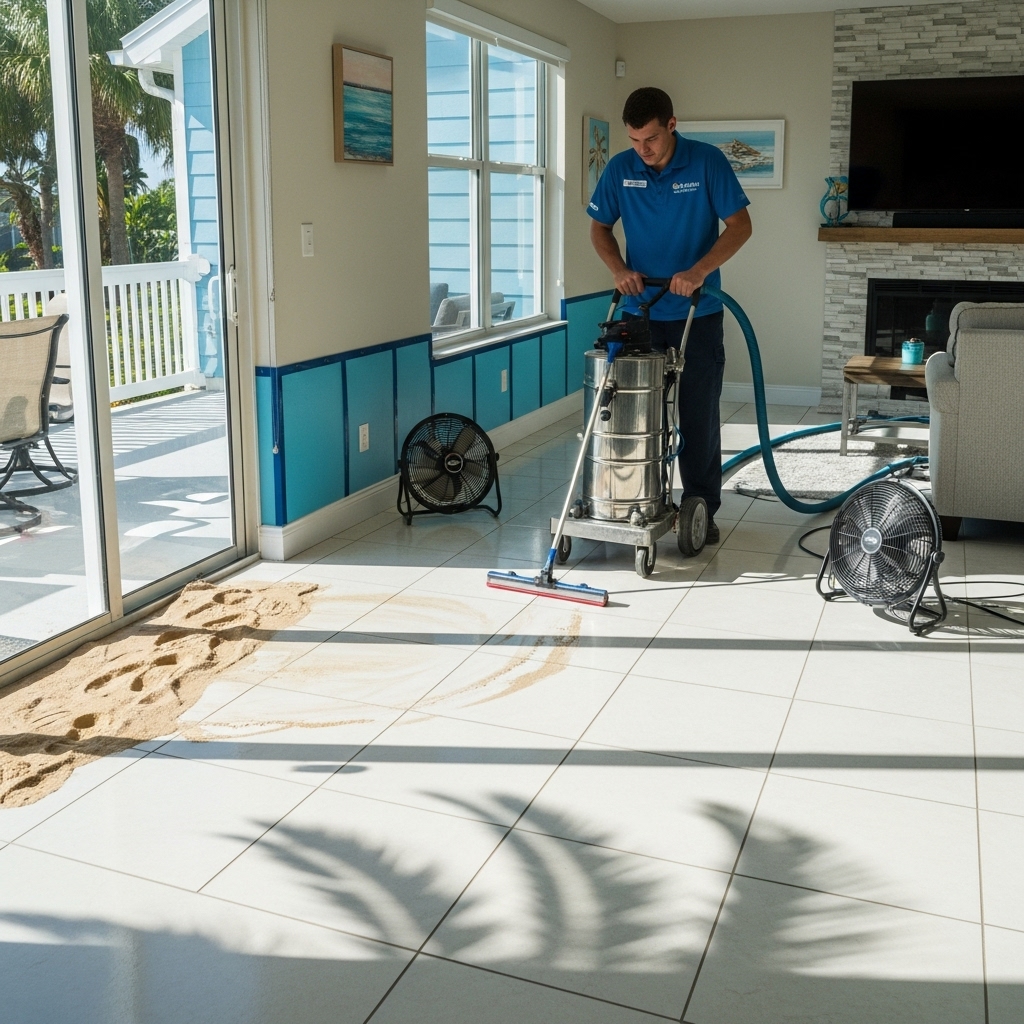
Tampa’s tile floors work hard. Between Gulf humidity, sandy shoes from beach days, heavy seasonal rains, and the daily churn of family life or home entertaining, grout lines darken and shine fades sooner than many homeowners expect. If you are researching tile cleaning services in Tampa, Florida, you are likely weighing choices, timelines, and what drives quotes from one provider to another. This comprehensive guide explains the options available, how professionals approach assessment, what influences final recommendations, and how to prepare for the smoothest experience possible. Whether you manage a busy household or simply want your floors to look revitalized for the long term, exploring tile cleaning in an informed way will help you choose confidently.
Before contacting a company, it helps to understand what tile is up against in our area. The climate is a critical factor. Warm, moist air can encourage mildew growth in porous grout, and frequent transitions between air-conditioned interiors and sun-baked patios bring fine grit onto floors. Over time, this combination dulls surfaces and lodges soil below the top layer of grout, where routine mopping cannot reach. The good news is that professional processes can lift embedded soils, restore grout color, and add protection that makes day-to-day upkeep much easier.
Why Tampa’s Climate Shapes Tile Care
Humidity is more than a comfort issue; it is a cleaning consideration. When airborne moisture settles onto cool floors, it mixes with dust and fine sand to create a light film. This film becomes a magnet for additional soils, leading to that familiar gray cast in traffic lanes even when you clean regularly. On porous grout, moisture can darken lines and, in some cases, allow organic contaminants to take hold. Add occasional spills of citrus beverages or cooking oils, and you have a recipe for discoloration that resists normal scrubbing. A targeted professional approach is designed to address these climate-driven challenges without harming the tile’s finish.
Common Tile Types and What They Need
Different materials require nuanced techniques. Ceramic and porcelain are durable and relatively low maintenance, but textured finishes and wood-look planks often have micro-grooves that trap debris. Natural stones like travertine and marble offer beauty but need specialized chemistry and careful agitation to protect the surface. Quarry tile in kitchens can hold oils deeply, and decorative cement tiles need color-safe products. When you invite a professional to assess, they should identify the tile type, grout composition (sanded or unsanded), and any sealants previously applied. These elements influence dwell time, agitation tools, and post-clean protection choices.
Service Options Explained
Most reputable Tampa providers segment their offerings to match soil levels, floor type, and desired outcomes. While terminology varies, the central options typically include the following:
- Inspection and testing: A technician examines tile and grout, tests a discreet area, and confirms expectations.
- Maintenance clean: Suitable for lightly soiled floors; focuses on emulsifying recent buildup and removing haze.
- Deep extraction clean: Targets embedded soils in grout and textured tile using heated solutions, controlled agitation, and high-flow extraction.
- Grout line detailing: Precision brushing and rinsing to restore grout lines, especially effective on kitchens and entryways.
- Sealing: Application of a penetrating grout sealer to resist future stains and make daily cleaning easier.
- Color sealing: A pigmented sealer that recolors and protects grout uniformly, ideal when staining is uneven or permanent.
- Natural stone care: Neutral pH cleaners, gentle agitation media, and sealers chosen for marble, travertine, limestone, or slate.
- Haze removal: Post-install or post-renovation clean-up to eliminate persistent grout haze or construction residues.
- Sanitizing treatments: Supplemental steps focused on hygienic concerns in bathrooms or pet areas.
Within these categories, technicians tailor dilution ratios, agitation pads or brushes, and extraction methods to your floor. The goal is not only visual improvement but also building a protective plan so soils do not reappear quickly.
What Influences Quotes Without Mentioning Numbers
While this guide does not reference figures, understanding the factors behind a quote helps you compare providers fairly:
- Square footage and complexity: Open rooms clean faster than small, segmented spaces with many doorways and fixtures.
- Tile and grout type: Natural stone and specialty tiles often demand slower, more careful steps.
- Soil level and staining: Heavier buildup requires additional dwell time, hand-detailing, or multiple rinse passes.
- Furniture handling: Clearing rooms streamlines production; technicians may factor time for moving and resetting items.
- Access and water supply: Upper floors, limited parking, or long hose runs influence setup and breakdown time.
- Add-ons: Sealing, color sealing, or shower wall cleaning adds time and materials.
- Post-renovation conditions: Construction dust and grout haze require targeted removal techniques.
When you receive an estimate, a provider should be able to walk you through these variables. The best partners tailor scope to your goals rather than pushing a one-size-fits-all package.
The Typical Professional Process
While each company has proprietary methods, a thorough workflow commonly follows this sequence:
- Walkthrough and testing: Confirm tile type, inspect stains and high-traffic lanes, and test a small area.
- Dry soil removal: Vacuuming or dust mopping lifts loose grit so it does not become abrasive during wet steps.
- Pre-treatment: Apply a cleaning solution targeted to soil type, then allow dwell time for it to break down residues.
- Agitation: Use rotary or oscillating machines with brushes or soft pads; grout brushes handle edges and corners.
- Rinse and extract: Hot water rinses and controlled extraction remove suspended soils and residues.
- Detailing: Handwork on stubborn spots, grout lines, and along baseboards ensures uniform results.
- Neutralize and dry: A neutralizing rinse brings pH back to a balanced state; fans speed dry time.
- Optional protection: Apply a penetrating sealer to grout or appropriate sealers to stone surfaces.
- Final inspection and care tips: Ensure satisfaction and explain maintenance best practices.
This sequence not only beautifies the surface but also prevents rapid re-soiling by fully rinsing out detergents and leaving a neutral finish.
Options for Protection After Cleaning
Protectants are popular in Tampa because of the climate. A penetrating grout sealer helps repel spills, oils, and tracked-in moisture. On natural stone, a breathable sealer can protect without altering appearance. Color sealing provides a uniform grout color and acts as a barrier to future stains, helpful when grout is chronically dark in busy kitchens. Discuss the pros and cons of each with your technician, including maintenance routines and timelines for reapplication.
DIY vs. Professional Outcomes
DIY methods are valuable for routine upkeep but can struggle with embedded soil. Common challenges include detergent residues that attract new dirt, uneven agitation that leaves streaks, and over-wetting grout lines. Steam mops can help in some scenarios but may force moisture into porous grout if used improperly. Professional systems manage solution chemistry, heat, agitation, and extraction in balance, achieving a deeper clean while protecting the surface. If your grout has turned several shades darker in traffic lanes, or if tile still looks dull after thorough home cleaning, professional extraction is usually the quickest path to visible improvement.
How to Compare Providers Effectively
When you gather estimates, pay attention to clarity and process rather than only the headline number. Ask whether the quote includes pre-vacuuming, edge work, neutralizing rinse, and fans for faster drying. Confirm that the team will test in a discreet area before proceeding and that they have a plan for protecting nearby surfaces. Look for transparent explanations of recommended add-ons and a clear distinction between maintenance cleaning and restorative options. As you evaluate service options, you may decide that booking professional tile cleaning offers the best balance of time savings, longevity, and visual impact.
Preparing Your Home for Service
A little prep goes a long way toward efficient results. Clear small items from floors and lower shelves, secure pets, and communicate any areas of concern such as cracked tiles or loose baseboards. If possible, vacuum or dust mop the night before to remove loose grit. Identify a parking spot close to the entry to shorten setup time. If you plan to add sealing, avoid scheduling cooking or heavy foot traffic immediately after service so the protectant can cure undisturbed.
What to Expect on Service Day
Technicians will arrive with equipment and conduct a brief walkthrough to confirm scope. They may place corner guards and mats to protect walls and thresholds. After a small test and confirmation of expectations, the team will move methodically through the space, focusing on edges and traffic lanes first. Depending on layout, some areas may be cleaned and dried while others are still in process, so you may be asked to plan a temporary pathway. After the final rinse, fans help accelerate drying, and a neutral pH ensures that your next routine mopping will not stir up residue.
Aftercare: Keeping Floors Fresher for Longer
Maintenance is simpler after a professional cleaning. Use a soft-bristle broom or vacuum for daily dust and sand, followed by a neutral pH cleaner recommended for your tile type. Avoid overly strong detergents or acid-based bathroom products on stone and grout, as these can etch or weaken surfaces. Microfiber pads pick up fine residues without pushing soils into grout lines. In entryways, use walk-off mats to capture grit. In kitchens, wipe spills promptly, especially acidic juices or oils. If you opted for sealing, ask your provider for a simple test to know when it is time to reapply.
Special Considerations for Natural Stone
Marble, travertine, and limestone require gentle chemistry and controlled agitation. Avoid vinegar and abrasive powders; these can etch or scratch the surface. Professional stone care often includes honing or polishing steps when scratches or etching are present, but many homes need only a careful neutral clean and a breathable sealer. If your stone floors have a mix of honed and polished areas, be sure to point this out during the walkthrough so the technician can tailor pads and pressure for each area.
High-Use Areas That Benefit Most
Kitchens, entryways, mudrooms, and bathroom floors tend to show the most dramatic improvements. In kitchens, grease aerosols from cooking can settle far beyond the stove, bonding with floor dust and dulling tile. In bathrooms, hard water and personal care products interact with humidity to create persistent film and discoloration. Professional agitation and extraction remove this layered buildup more thoroughly than topical scrubbing, especially along baseboards and under appliance edges where soil concentrates.
Questions to Ask Before You Book
- What tile and grout types do you see most often, and how will you adjust your process for mine?
- Is a neutralizing rinse included to prevent rapid re-soiling?
- How do you protect adjacent surfaces and transitions to other flooring?
- Do you recommend grout sealing or color sealing based on my goals?
- What is the expected dry time under Tampa humidity, and do you use fans?
- How should I maintain the floor afterward to prolong results?
Frequently Asked Questions
Q: How often should tile and grout be professionally cleaned in Tampa homes? A: Frequency depends on traffic and conditions. Many households benefit from a maintenance clean once or twice per year, with touch-up of high-traffic areas in between. Homes with pets, beach sand, or large families may prefer more frequent care.
Q: Will professional cleaning damage my grout? A: When performed correctly, professional cleaning is safe for grout. Technicians select appropriate brushes and controlled pressure, and they neutralize chemistry after rinsing to protect the grout matrix.
Q: Do I need grout sealing? A: Sealing is optional but popular in humid regions. It helps resist stains and makes routine cleaning easier. If your grout is porous and readily darkens with water, a penetrating sealer is often beneficial.
Q: What if my grout is permanently stained? A: Deep extraction can remove most embedded soils, but some discoloration is permanent due to dye transfer or etching. Color sealing provides a uniform, protected finish when cleaning alone cannot fully restore the original shade.
Q: How long until I can walk on the floor? A: Light foot traffic is usually acceptable once surfaces are dry to the touch. If sealing was applied, your technician will provide specific guidance on cure time and initial care.
Q: Will you move furniture? A: Policies vary. Communicate what you can move in advance and confirm the provider’s approach for larger items. Clearing as much as possible increases efficiency.
Q: Can you clean shower walls and tub surrounds? A: Many providers offer vertical tile cleaning and sealing for grout lines in showers. These areas often need specialized products to handle soap film and hard water residues.
Putting It All Together
Choosing tile cleaning services in Tampa, Florida, is about aligning your goals with the right process and protection. The most successful outcomes come from clear expectations, tailored methods, and simple but consistent aftercare. If your floors have lost their brightness despite regular mopping, a professional deep extraction can reset the baseline and make daily upkeep far less tedious. In a climate that accelerates buildup, the time saved and the visual transformation can be compelling.
Ready for Noticeably Cleaner Floors in Your Tampa Home?
If you are ready to refresh grout lines, revive traffic lanes, and protect your surfaces against humidity and daily wear, schedule expert tile and grout cleaning with a team that understands Tampa homes. Ask for a thorough walkthrough, a clear scope of work, and practical aftercare tips so your floors stay brighter longer. Your tile can look renewed again—without harsh shortcuts, without guesswork, and with confidence that the process is tailored to your space.