
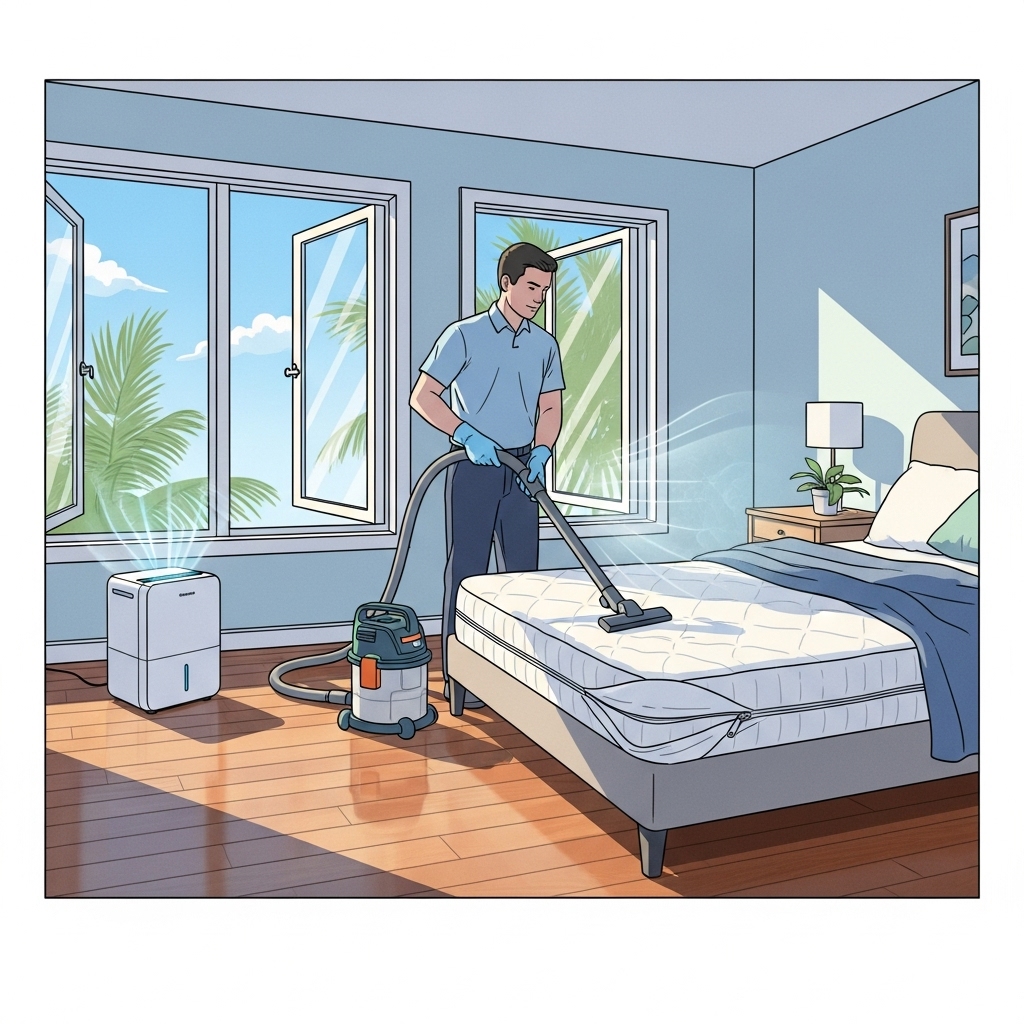
Allergies can disrupt sleep just as much as noise or light, and in Tampa, Florida, humidity and seasonal pollen add another layer of challenge. Your mattress is a central part of the bedroom ecosystem where dust, dander, and moisture can accumulate. With a thoughtful approach to cleaning and sanitizing—paired with good airflow and bedding habits—you can create a calmer environment that supports easier breathing and more restful nights. If you need deeper help beyond DIY routines, consider professional mattress cleaning as part of a comprehensive allergy plan for your home.
This guide focuses on practical, evidence-informed steps to reduce common bedroom allergens. You will learn how to manage dust mite allergens, balance moisture in a humid climate, choose gentle products, and set a sustainable schedule for maintenance. The goal is a consistently fresher mattress without harsh fragrances or unnecessary chemicals.
Understanding allergens in mattresses
Mattresses naturally collect skin cells, dust, and humidity from nightly use. Dust mites thrive where food (skin cells) and moisture are present. Although you cannot eliminate allergens entirely, you can significantly reduce them through routine cleaning, encasements, and smart humidity control. The result is a bedroom that feels clearer and more comfortable.
Core steps for allergy-focused cleaning
- High-filtration vacuuming: Use a clean upholstery tool and a vacuum with strong filtration to remove dry soils and allergens on the surface and in seams. Slow, overlapping passes are most effective.
- Targeted spot treatment: Address visible stains with fabric-safe methods. Keeping stains under control helps prevent odor and discourages microbial growth.
- Low-moisture rinse and extraction (professional or advanced DIY): For deeper cleaning, controlled moisture helps flush residues without soaking the mattress.
- Drying and ventilation: Accelerate drying with fans and air conditioning, especially in Tampa’s humid months, to avoid musty odors and keep the environment unfavorable for mites.
- Protective encasements: Encase the mattress and pillows with products designed to reduce allergen transfer while allowing breathability.
Humidity management in Tampa
Humidity is a defining feature of Tampa life. In bedrooms, excess moisture can lead to musty smells and increased allergen activity. Keep relative humidity comfortable with air conditioning, ceiling fans, and reasonable ventilation. Avoid oversaturating the mattress during cleanings, and let it dry completely before remaking the bed.
Mattress encasements and bedding habits
Encasements create a barrier that limits allergen exchange between the mattress and your sleeping environment. Choose well-fitted, breathable encasements for both the mattress and pillows. Wash sheets and pillowcases weekly and duvet covers regularly. If you are highly sensitive, consider laundering in warm water when appropriate for the fabric. Consistency is more important than intensity; small, repeatable steps yield the best long-term results.
Gentle chemistry and fragrance awareness
Avoid heavy perfumes that may irritate sensitive airways. Focus on cleaning processes that remove contaminants rather than masking them. When choosing products, aim for fabric-safe, low-residue options. Always test on a discreet area first, especially with memory foam, latex, or delicate quilting.
Professional cleaning as an allergy ally
Professional services can complement your routines by removing deep debris and residues with controlled moisture and high-filtration tools. Providers familiar with Tampa’s humidity will prioritize careful drying and neutralization steps to leave the fabric comfortable and residue-free. Combining professional visits with encasements and regular laundering often yields noticeable comfort improvements for sensitive sleepers.
Schedule suggestions for Tampa homes
- Weekly: Launder sheets and pillowcases; quick vacuum passes if you sleep warm or have pets.
- Monthly: Vacuum the mattress thoroughly and rotate if recommended by the manufacturer.
- Seasonally: Plan a deeper clean during drier periods or schedule a professional service ahead of peak humidity.
The middle-of-the-year refresh
Midyear—often before the peak of summer humidity—is an excellent time to reassess your allergy strategy. Check encasements for fit and wear, audit your cleaning supplies for gentle and effective options, and update your routine if your sensitivities have changed. If you want a deeper reset, adding professional mattress cleaning to your plan can help clear settled allergens and set you up for a more comfortable season.
Spotlight on common stains and allergens
- Sweat and body oils: Manage with regular laundering and prompt spot treatment; they can harbor odors and contribute to a stuffy bedroom feel.
- Pet dander: If pets visit the bed, increase vacuuming frequency and consider a washable blanket on top that you clean often.
- Pollen and outdoor dust: During high-pollen periods, change clothes before bedtime and keep windows closed if outdoor air is muggy.
- Spills: Treat immediately to avoid residues that can attract dust and bacteria.
Aftercare: keep the gains you have made
After any deep cleaning, allow full drying with adequate airflow. Replace bedding only when the surface is dry to the touch. Consistent humidity control and clean bedding help prevent quick reaccumulation of allergens, extending the benefits of your efforts.
Myths about sanitizing
- Myth: Strong scent equals clean. Reality: True cleanliness is odor-neutral, not perfumed.
- Myth: One deep clean solves allergies permanently. Reality: Regular maintenance is essential, especially in a humid climate.
- Myth: More product is better. Reality: Gentle, measured applications and thorough drying are safer for fabrics and lungs.
Simple bedroom upgrades that help allergies
- Use a washable mattress protector and wash it regularly.
- Keep floors clean with frequent vacuuming or dust mopping.
- Declutter nightstands and under-bed storage to reduce dust traps.
- Run ceiling fans and air conditioning to encourage steady airflow.
FAQ: Allergy-focused mattress care in Tampa
Q: How often should I clean my mattress for allergies? A: Many sensitive sleepers benefit from a thorough vacuum monthly and a deeper clean seasonally or semiannually, paired with regular laundering.
Q: Are fragranced products OK? A: Fragrance can be irritating. Choose low-residue, fragrance-light options and rely on soil removal rather than perfume.
Q: Will encasements make me hot? A: Breathable encasements are designed to balance protection and comfort. Look for well-fitted, breathable materials.
Q: Can I use steam to sanitize? A: Steam can introduce excess moisture and is not ideal for many mattress types in humid climates. Controlled, low-moisture methods are safer.
Q: Do I need a professional service if I vacuum regularly? A: Vacuuming is valuable, but professional methods can reach deeper soils and help manage persistent odors and residues.
Q: Will cleaning remove dust mites completely? A: The goal is reduction. Consistent maintenance, encasements, and humidity control work together to minimize allergen load.
Q: Can I sleep on the bed the same day? A: In most cases, yes—once the mattress is fully dry. Fans and air conditioning help speed the process.
Breathe easier with a cleaner mattress
Consistent, gentle cleaning and mindful humidity control can transform your bedroom into a calmer place for sensitive airways. For deeper results or seasonal resets in Tampa, schedule professional mattress cleaning to complement your allergy-conscious routine and support clearer, more comfortable sleep.