
Introduction: A Practical Mattress Cleaning Checklist for Tampa Homes
Checklists keep you organized and efficient, especially when cleaning something as essential as your mattress in Tampa’s humid climate. This guide provides a detailed, repeatable checklist you can follow each season to protect your sleep, reduce allergens, and manage odors. While you can complete each task with basic tools, you can also supplement your efforts by scheduling periodic mattress cleaning to handle deeper sanitation without risking excess moisture.
Unlike generic advice, this checklist is crafted for Gulf Coast conditions. You will see steps that prioritize airflow, controlled moisture, and preventing odors that thrive in humidity. Use it as a seasonal routine or as a quick reference after spills and spot-cleaning sessions.
Pre-Clean Setup
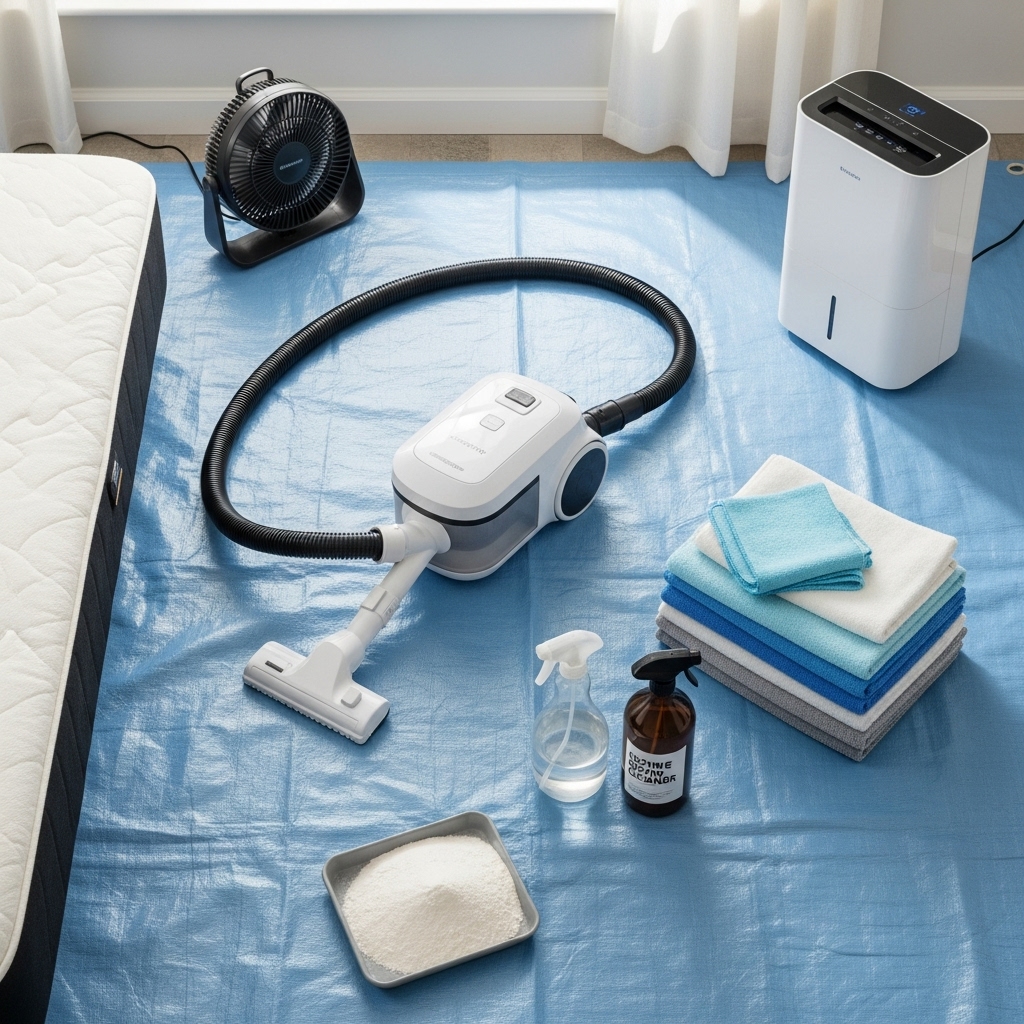
Confirm the mattress type and check the manufacturer’s care guidance. Set the room for success: run air conditioning or a dehumidifier, turn on ceiling fans, and open interior doors for cross-ventilation. Place a clean sheet or tarp on the floor to keep washed bedding off dusty surfaces. Assemble tools: vacuum with upholstery attachment, clean filters, microfiber cloths, diluted mild detergent, enzyme cleaner for organic stains, oxygen-based cleaner for discoloration, baking soda, a spray bottle, and a portable fan.
Checklist Item: Strip and Launder
Remove all bedding, including protectors and toppers. Wash according to labels and ensure items are fully dry before reassembly. In Tampa’s climate, even a slightly damp protector can rekindle odors, so allow extra drying time if needed.
Checklist Item: Inspect Under Bright Lighting
Use strong ambient light or a flashlight at a low angle to scan for stains, sweat rings, or darkened patches. Mark areas mentally or with a small piece of removable tape on the bed frame (never on the fabric) to remind yourself where to focus during spot treatment.
Checklist Item: Vacuum Methodically
Vacuum the entire surface in overlapping passes, then the sides. Target seams, tufts, and quilting, where dust and allergens settle. Replace or wash vacuum filters regularly to improve capture efficiency and avoid pushing odors back into the room.
Checklist Item: Spot Treat by Category
For organic stains, apply an enzyme cleaner lightly to a cloth and dab. Allow dwell time per the label and blot with a dry cloth. For general yellowing, use a mild detergent solution sparingly. For stubborn discoloration, consider an oxygen-based cleaner, testing first in an inconspicuous area. Always work from the stain’s edge inward to prevent spreading.
Checklist Item: Control Moisture
Apply solutions to cloths instead of spraying the mattress directly. Blot rather than rub. Keep a dry cloth in your other hand to follow each pass. The Tampa rule is to use minimal liquid and maximal airflow to discourage odors and moisture migration into deeper layers.
Checklist Item: Deodorize
Lightly mist a diluted vinegar solution onto a cloth and dab areas that tend to smell, then blot with a dry cloth. Sprinkle a thin layer of baking soda over the surface, allow it to sit, and vacuum thoroughly. This process helps neutralize odors and draws out trace moisture that can linger in humid conditions.
Checklist Item: Airflow and Drying
Position fans to move air across the mattress. Keep the room cool and dry. If a pressed dry cloth shows dampness after contact with the mattress, continue airflow and wait before moving to the next step. Patience with drying prevents recurring odors and wicking stains.
Checklist Item: Edge and Seam Detailing
Use a slightly dampened cloth wrapped around a finger to trace seams and edges, dislodging debris and light soils that vacuuming may miss. Immediately follow with a dry cloth. Repeat as needed until the cloth remains clean.
Checklist Item: Rotate or Flip
Rotate head-to-foot or flip if the mattress design allows. Rotation promotes even wear and helps expose different areas to airflow during drying. This step is especially helpful in Tampa, where sweat and humidity can concentrate in habitual sleeping zones.
Checklist Item: Reassembly
When the mattress is fully dry, reinstall a breathable, waterproof protector and any toppers that are completely dry. Make the bed with clean sheets and pillowcases. Keep beverages and snacks out of bed when possible, and address spills immediately with blotting and airflow.
Mid-Checklist Deep Refresh Option
When a deeper refresh is needed—after a spill, illness, or during peak humidity—consider augmenting your routine with professional mattress cleaning. Professionals can deliver low-moisture treatments and controlled drying that tackle residues near the surface more effectively than repeated home applications while protecting the mattress core.
Troubleshooting Guide
If stains reappear after drying, this often indicates wicking from deeper layers. Reduce moisture on subsequent attempts and extend drying time. If odors persist, evaluate the entire room: carpeting, baseboards, and bed frames can harbor moisture, feeding unwanted smells. When in doubt, slow down, increase airflow, and verify dryness before reassembling the bed.
Seasonal Adjustments for Tampa
During summer humidity, shorten cleaning sessions and spread tasks over two days to allow adequate drying. In the drier months, you may be able to complete the full checklist in one go. Keep a small calendar reminder to rotate and refresh quarterly, and add an extra odor-control day after unusually humid weather or heavy rain events.
Allergy-Focused Additions
If allergies are a concern, include pillow maintenance in your checklist. Launder pillowcases weekly and pillows per manufacturer guidance. Consider encasing the mattress and pillows in breathable covers. Vacuum the bedroom’s soft surfaces, including the area rug and upholstered furniture, during the same session to minimize recontamination.
Care for Different Mattress Types
Memory foam benefits from minimal moisture and gentle blotting. Latex is resilient but should be dried thoroughly. Innerspring mattresses often have plush top layers that behave like foam; treat them with the same caution. Hybrids combine materials; always defer to manufacturer advice when in doubt. Across all types, prioritize airflow and avoid heavy saturation.
Storage Tips and Move-In Scenarios
If you are moving or storing a mattress, select a climate-controlled location. Avoid wrapping in non-breathable plastic unless it is a short move, and open it promptly at the destination to allow air exchange. After storage, run fans and check for odors before making the bed. A quick deodorizing pass with baking soda and a thorough vacuum can bring a stored mattress back to freshness.
FAQs
Q: How often should I complete this checklist? A: Use it quarterly, with quick mini-checks monthly for vacuuming and odor control.
Q: Is steam safe for my mattress? A: Only if the manufacturer permits and only with low moisture and immediate airflow. In Tampa, steam demands caution due to humidity.
Q: What is the fastest way to dry the mattress? A: Combine air conditioning, dehumidification, and cross-ventilation with fans moving air across the surface.
Q: Can I skip baking soda? A: Yes, but it is an effective, gentle way to control odors. If you skip it, double down on airflow and drying time.
Q: How do I prevent recurring sweat stains? A: Use a breathable protector, rotate regularly, and perform quick refreshes during humid weeks.
Q: What should I do after a child or pet accident? A: Blot immediately, use an enzyme cleaner sparingly, and extend drying time to prevent odors from returning.
Q: Should I flip my mattress? A: Flip only if designed for it; otherwise, rotate head-to-foot to distribute wear and moisture exposure.
Finish Strong: Make Your Bed Fresher Than Ever
To keep your checklist results lasting longer, reinforce your routine with professional mattress cleaning at intervals that fit your household’s needs. Pair that with diligent airflow, light-handed moisture, and regular rotation, and your Tampa bedroom will feel clean, fresh, and ready for restful sleep every night.