
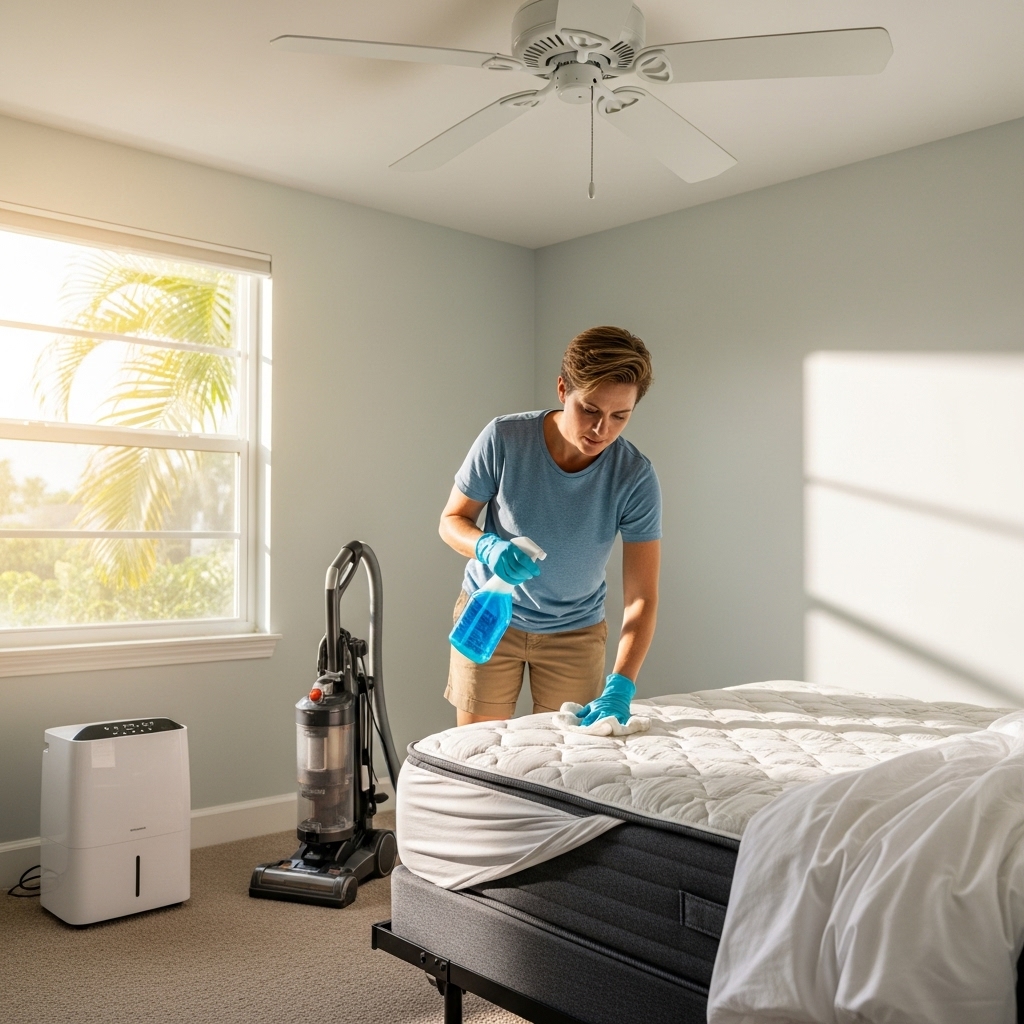
Introduction: A Tampa-Focused Mattress Cleaning Guide
Homeowners in Tampa face a unique combination of heat, humidity, and seasonal storms that can influence how mattresses age, smell, and feel. This comprehensive guide explains how to keep your mattress sanitary, fresh, and supportive in a Gulf Coast climate. You will learn techniques for stain treatment, odor control, allergen reduction, and drying strategies that work in humid conditions. If you prefer to supplement your routine with a professional touch, consider booking trusted mattress cleaning as part of a whole-home maintenance plan.
Clean bedding is more than a comfort issue. It affects the quality of your sleep, the longevity of your mattress, and the air your family breathes each night. Because Tampa’s humidity can slow drying and encourage odors, a climate-aware approach is essential. With simple tools, patience, and the correct order of steps, you can keep your mattress in excellent condition year-round.
Understand Your Mattress Materials
Before cleaning, identify the type of mattress you have. Memory foam, latex, hybrid, and traditional innerspring constructions respond differently to moisture and heat. Most foams require minimal liquid and generous airflow. Latex is resilient but still sensitive to prolonged dampness. Innerspring cores can trap moisture around padding. Always check manufacturer recommendations, which may limit certain treatments and advise on safe drying temperatures or methods.
Essential Tools for Tampa Conditions
Prepare a vacuum with an upholstery attachment, clean filters, microfiber cloths, a mild detergent solution, enzyme cleaner for organic stains, an oxygen-based product for discoloration, baking soda for deodorizing, a spray bottle, and a portable fan. Consider a dehumidifier for the room on humid days. Having these tools ready prevents delays that can make stains set and odors grow.
Routine Maintenance Schedule
Plan for weekly sheet washing, biweekly or monthly quick vacuums of the mattress surface, and quarterly deeper cleans. In Tampa’s peak humid months, add light refreshes, focusing on odor control and moisture management. Rotate your mattress per manufacturer guidance to distribute wear and reduce moisture hotspots where your body typically rests.
Step-by-Step: Regular Cleaning
Start by stripping the bed and washing all bedding. Vacuum the mattress thoroughly using overlapping strokes, including seams and edges. Spot any stains and treat them according to type. Apply cleaning solutions to a cloth rather than directly to the mattress to avoid oversaturation. Wipe surfaces gently, then follow with a dry cloth. Sprinkle a thin layer of baking soda to absorb odors, allow dwell time, and vacuum thoroughly. Encourage air movement with fans and, if needed, a dehumidifier until fully dry.
Stain Strategy: Match the Method to the Mess
Organic stains respond best to enzymes; apply lightly, allow dwell time, blot, and repeat if necessary. General yellowing from sweat may respond to mild detergent or oxygen-based products used sparingly. Avoid harsh scrubbing. Always test a small inconspicuous area first, and remember that multiple light applications are safer than one heavy soak, especially in humid conditions.
Odor Control That Works in Humidity
Humidity magnifies odor. Keep indoor air moving and as dry as comfortably possible. After light cleaning, deodorize with baking soda and vacuum thoroughly. If odors persist, re-evaluate moisture sources: is the bed near a window prone to condensation? Are protectors fully dry before reassembly? Reducing room humidity often resolves lingering smells more effectively than applying more product.
Allergen Reduction for Tampa Households
Dust mites thrive in warm, humid environments. Combat them with frequent vacuuming using a clean filter, hot washing of bedding when appropriate, and a breathable waterproof protector. Keep pets off the bed if allergies are significant. Consider periodic exposure of bedding (not the mattress) to sunshine for natural freshening, and ensure the room is well-ventilated to discourage dampness.
Mid-Guide Pro Tip and When to Call an Expert
As you refine your routine, remember that the goal is cleanliness without trapped moisture. For deeper sanitation, Tampa homeowners often add periodic professional mattress cleaning to their schedule. Pros use low-moisture methods and controlled drying to reach contaminants near the surface while protecting the core from dampness. This can be particularly helpful after spills or during the most humid periods when drying at home becomes challenging.
What to Avoid
Do not oversaturate. Avoid harsh chemicals not intended for fabrics. Do not point high heat directly at one spot for a long time, as this can damage materials or cause uneven drying. Resist scrubbing aggressively, which can fray fibers and push soils deeper. Skip using colored cloths that might bleed dye when damp.
Drying Protocol for Gulf Coast Climates
Encourage airflow across the mattress with ceiling fans and portable units. Keep the room cool and dry with air conditioning. If relative humidity is high, use a dehumidifier. Flip or rotate only when the surface is completely dry. A clean, dry protector and topper should be reinstalled only after they are fully dry to the touch. If in doubt, give it more time; patience prevents odor issues later.
Protectors and Preventive Care
Use a breathable, waterproof protector that blocks spills and sweat while letting air move through. Wash the protector regularly, and replace it if it loses performance. Consider a washable mattress encasement if allergies are a concern. Encourage family members to handle drinks carefully in bed and to address spills immediately with blotting and airflow.
Dealing With Set-In Stains
Set-in stains usually respond to repeated light treatments. Alternate between enzyme cleaner and mild detergent as appropriate for the stain type. Blot gently and allow thorough drying between passes. Bright lighting helps you track progress and avoid spreading. If a stain reappears after drying, it may be wicking from deeper layers; reduce moisture in subsequent attempts and extend drying time with fans.
Storage and Seasonal Considerations
If you store a mattress temporarily, choose a dry, climate-controlled space. Avoid plastic wraps that trap moisture unless specifically designed for breathable storage. When bringing a mattress back into use, allow it to air out with fans and inspect for odors or dampness before adding bedding. Seasonal shifts in Tampa’s weather can affect how quickly materials re-acclimate, so plan ahead.
FAQs
Q: How often should I clean my mattress in Tampa? A: Vacuum monthly and perform a deeper clean every three to six months, with extra odor control during peak humidity.
Q: Can I use vinegar directly on the mattress? A: Dilute it and apply to a cloth first, then blot the surface lightly to avoid oversaturation and lingering smells.
Q: What is the safest way to clean memory foam? A: Use minimal liquid, apply solutions to a cloth, blot, and rely on robust airflow for drying.
Q: Will baking soda harm latex mattresses? A: In normal amounts and vacuumed thoroughly, it is safe and helpful for deodorizing.
Q: How do I know if I over-wet the mattress? A: If a dry cloth pressed on the surface comes away damp after cleaning, extend drying time and increase airflow.
Q: Can I flip any mattress? A: Many modern mattresses are one-sided; rotate instead if flipping is not recommended by the manufacturer.
Q: What should I do after a large spill? A: Blot immediately, use targeted cleaner sparingly, and prioritize rapid drying with fans and dehumidification.
Q: When is professional help appropriate? A: Persistent odors, recurring stains, or slow drying in humid weather are signs to bring in a professional for a deeper, controlled clean.
Bring Back Fresh Sleep in Tampa
When you are ready to refresh your bedroom thoroughly, combine your home routine with professional mattress cleaning for results that last. With the right balance of gentle products and Tampa-smart drying, you will protect your investment and enjoy cleaner, healthier sleep all year.