
Introduction
In commercial settings across Tampa, Florida—offices, medical practices, retail showrooms, hospitality venues, and multifamily lobbies—rugs do important work. They direct foot traffic, reduce slip risk, soften acoustics, and reinforce brand identity. They also collect a tremendous amount of soil, moisture, and abrasion from shoes, rolling chairs, carts, and environmental factors unique to the Gulf Coast. A clear, documented program for commercial rug cleaning safeguards appearance, supports health and safety goals, and helps furnishings last longer. For many facilities, the backbone of that program includes scheduled professional rug cleaning complemented by daily and weekly in-house tasks.
This guide outlines workable standards, inspection checkpoints, and maintenance schedules that align with Tampa’s climate and diverse business needs. It covers textile identification, service scopes, interim maintenance, communication protocols, and performance metrics so managers can implement a plan that is practical, measurable, and sustainable.
Identify Textiles and Traffic Patterns
Start with an inventory. Note each rug’s fiber content, construction, size, and location. A hand-knotted wool rug in an executive office demands different care than a large synthetic runner in a beachfront lobby. Map foot traffic levels: peak hours, entrances near parking or outdoor seating, and pathways to restrooms or elevators. In Tampa, wet weather and beach proximity add grit and moisture to the equation, increasing abrasion and the potential for wicking or odor if rugs are not serviced on a suitable cadence.
Document current conditions with photos and simple metrics. For example, use a white cloth test to gauge soil transfer on high-traffic pieces and record findings monthly. Consistent documentation builds a baseline that informs scheduling and helps justify maintenance decisions to stakeholders.
Set Care Standards by Rug Type
Wool rugs are resilient and respond well to in-plant washing with thorough dusting, controlled agitation, rinse, and climate-controlled drying. Cotton flatweaves require careful handling to prevent distortion and may benefit from blocking after washing to maintain shape. Tufted rugs with latex backings can shed filler as they age; an expert can advise on safe processes and when replacement is more practical. Synthetic rugs, common in commercial corridors, often tolerate on-location low-moisture or extraction methods between deeper washes, provided drying is rapid and thorough.
Fringe and edges deserve special attention. In high-traffic spaces, fringes can snag and collect soil quickly. Consider positioning or securing rugs to protect fringe, or select styles without exposed fringe in public areas. Inspect side cords for wear; early repairs help avoid unraveling that disrupts operations.
Daily and Weekly In-House Tasks
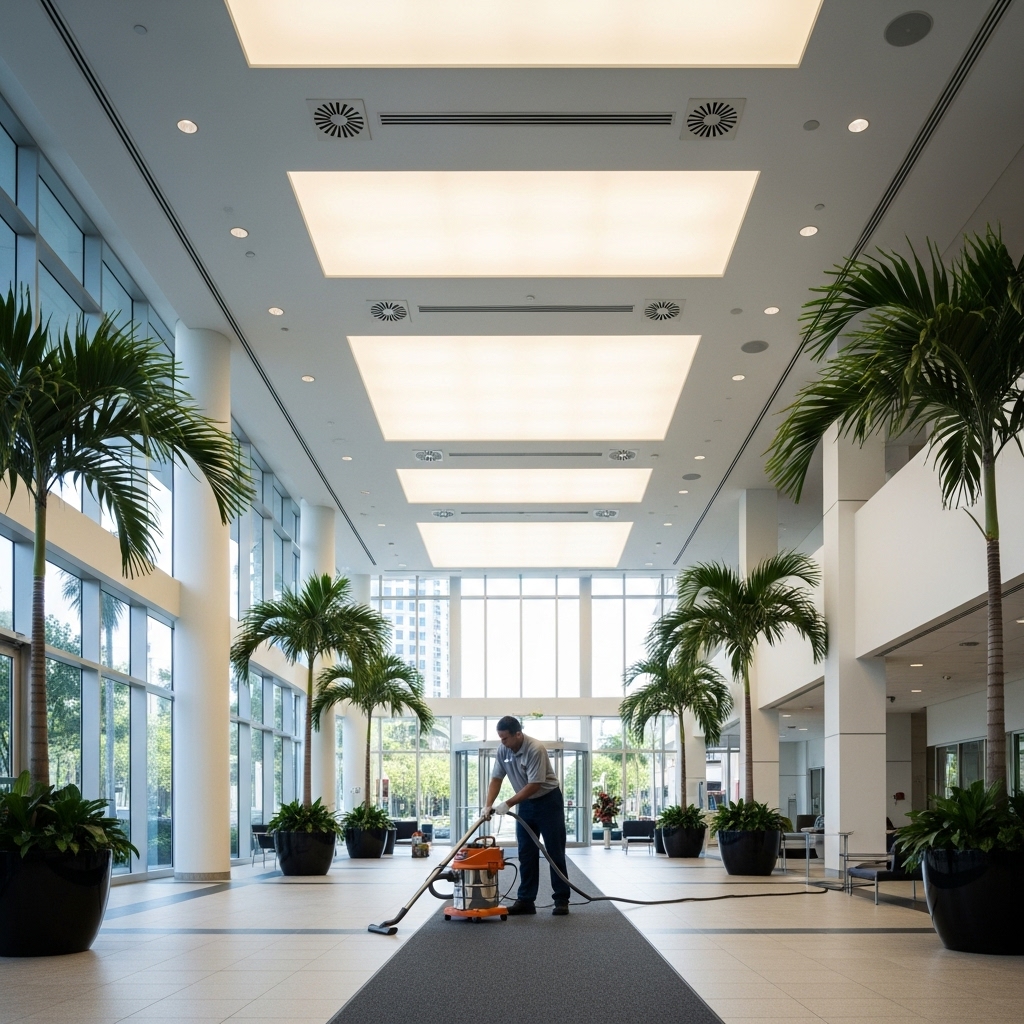
Daily vacuuming is non-negotiable for commercial rugs. Use equipment with strong filtration to capture fine particulates that otherwise abrade fibers and contribute to a dingy look. Empty canisters or change bags before they are full to maintain suction. Spot clean spills immediately with white cloths and cool water, avoiding harsh chemicals that can set stains or damage dyes. Doorway mats should be vacuumed and shaken out frequently to intercept soil before it reaches interior rugs.
Weekly, flip smaller rugs to vacuum the back and vibrate out grit. Edge detailing with a crevice tool keeps dust from building along borders, especially where rugs meet tile or wood. Supervisors should conduct quick walk-throughs to note damage, curl hazards, or moisture issues near entry points after storms.
Interim Maintenance Between Deep Cleans
Interim methods keep appearance scores high and extend time between full washes. Low-moisture encapsulation on appropriate synthetics can release sticky soils and improve texture, with rapid drying that suits busy schedules. For natural fiber rugs, interim care focuses on enhanced vacuuming and localized spot treatment while waiting for scheduled in-plant washing. Choose products and methods that leave minimal residue to avoid rapid resoiling.
In facilities with food service or healthcare components, cleanliness standards are stricter. Coordinate with compliance teams to select methods and schedules that align with broader sanitation protocols without compromising textile health. Communication between departments prevents conflicting procedures that might harm rugs.
Scheduling Deep Cleaning in Tampa’s Climate
Humidity and storm patterns affect timing. Plan deep cleaning around lower humidity periods when possible, and ensure indoor drying conditions are optimized with HVAC and dehumidification. For entrance rugs and corridors exposed to weather, schedule more frequent service during rainy seasons. If a rug cannot be removed due to size or anchoring, coordinate on-location methods suited to its fiber and construction while ensuring robust airflow for drying.
Stagger service for large properties to maintain coverage. For example, divide floors or zones into quarters and rotate deep cleaning so each section is refreshed on a reliable cycle. This minimizes disruption while keeping standards consistent across the facility.
Service Scope: What Professional Cleaning Should Include
A comprehensive scope covers inspection, dye testing, thorough dusting, tailored wash chemistry, full rinse, fringe grooming, and climate-controlled drying. For odor issues caused by spills or pet accidents in pet-friendly environments, foundation-level decontamination is essential. On delivery, rugs should be inspected with the client, placed on appropriate pads, and groomed to align the nap. Providers should supply aftercare guidance and note any recommended repairs.
When on-location work is necessary for large synthetics, specify conservative moisture, multiple vacuum-only passes, and abundant airflow until fully dry. Protect adjacent flooring with barriers and monitor humidity to prevent condensation under the rug. Establish clear thresholds: if dye instability, delamination, or structural concerns are present, require in-plant service whenever feasible.
Safety and Risk Management
Rugs in commercial spaces can create trip or slip hazards if not maintained. Inspect for curling edges, ripples, or buckling after cleaning and adjust placement or padding accordingly. Use non-slip, breathable pads compatible with your flooring finish. During wet weather, place additional matting at entrances to reduce moisture tracked onto interior rugs. Train staff to set out caution signage if any on-location process leaves a rug slightly damp, and remove signage only when fibers and foundation are dry.
For high-rise or medical environments, coordinate with building management regarding water use and noise windows. Ensure contractors carry appropriate insurance and follow site-specific access protocols. A pre-service checklist with contact information and emergency procedures keeps everyone aligned.
Measuring Performance
Define success with simple, trackable metrics. Visual inspections with photographs, soil transfer tests, and odor assessments after humid days provide objective data. Track resoiling rates to determine whether interim methods leave residues. Monitor the lifespan of pads and the condition of edges and fringe. Use these data points to adjust schedules and methods, ensuring the program remains efficient and effective.
Feedback loops matter. Encourage staff to report recurring spots, odors, or hazards promptly. Share findings with your cleaning provider so they can tailor processes and identify patterns that suggest underlying issues, such as HVAC imbalances or doorway seal problems.
Communication and Documentation
Clear communication reduces downtime and surprises. Maintain a central log that records service dates, methods used, observations, and recommendations. Attach photos to entries for easy comparison. For multi-tenant properties, provide summaries to stakeholders so they see the value of consistent maintenance and understand scheduling impacts.
Before each service, confirm access, power availability, and any security requirements. After service, review results on site with the provider, noting any repairs to schedule. This collaborative approach prevents small problems from escalating and keeps the facility looking consistently polished.
Sustainability Considerations
Choose methods and products that balance efficacy with environmental responsibility. Wool-safe detergents, efficient rinsing, and controlled drying minimize waste while delivering excellent results. Breathing pads and effective entry matting reduce the overall cleaning load. Extending the useful life of rugs through appropriate care is itself a sustainable practice, reducing replacement frequency and associated environmental impacts.
Partnering with a provider who invests in process improvements—such as energy-efficient drying systems and smart water management—supports both performance and sustainability goals. Ask about these initiatives during vendor evaluations.
FAQ
Q: How often should commercial rugs be deep cleaned? A: Frequency depends on traffic and environment. Entrance and corridor rugs may require more frequent service than conference rooms or executive offices. Use documented soil and odor indicators to fine-tune schedules.
Q: Is on-location cleaning acceptable for large commercial rugs? A: It can be for certain synthetic pieces, provided moisture is controlled and drying is rapid. Natural fiber or handmade rugs generally require in-plant washing for safety and thoroughness.
Q: What is the value of dusting before washing? A: Dusting removes abrasive grit that dulls fibers and accelerates wear. Without it, wet cleaning can create muddy residues that quickly resoil.
Q: How do we manage odors in humid weather? A: Ensure thorough decontamination for spills, use dehumidification during and after cleaning, and maintain strong airflow. Persistent odors often indicate residues in the foundation that require immersion treatment.
Q: Do we need pads under commercial rugs? A: Yes. Proper pads reduce slippage, improve comfort, and limit stress on fibers. Choose pads compatible with your flooring and allow for breathability.
Keep Your Facility Looking Its Best
A structured program protects appearance, safety, and comfort for employees and visitors alike. Build your schedule around traffic patterns, document performance, and partner with specialists who dust, wash, rinse, and dry with precision. For reliable support that keeps your space welcoming day after day, schedule expert rug cleaning and move forward with confidence.