
Oriental Rug Care for Tampa Homes: Preserve Beauty and Heritage
Handmade Oriental rugs carry stories in every knot—artistry, tradition, and the patina of generations. In Naperville, Florida, they also face local realities: winter salt, spring pollen, summer humidity, and the bustle of busy families. Thoughtful, fiber-safe care protects the integrity of natural dyes, keeps pile responsive, and extends the life of valuable pieces. Whether your rug is a wool-on-cotton hand-knotted heirloom or a fine silk showcase, the following guidance outlines how to maintain elegance without risk. When deeper intervention is needed—such as persistent odors, color instability, or heavy soil—a skilled team can provide specialized wash processes that respect delicate construction. If you prefer expert support at key intervals, professional rug cleaning can be coordinated around seasonal needs and household schedules.
Because Oriental rugs vary widely in age, fiber, knot density, and dye chemistry, one-size-fits-all advice can backfire. Instead, this guide focuses on principles that apply broadly—careful dust removal, conservative moisture use, meticulous testing before spot treatment, and drying strategies that prevent wicking and browning. Use the checklists to create a rhythm that fits your home’s traffic and the sensitivity of each piece.
Understand Your Rug: Fiber, Dyes, and Structure
Oriental rugs are typically hand-knotted with natural fibers and complex constructions. Proper identification is the starting line for safe care.
- Wool pile on cotton foundation: The most common build. Wool’s natural lanolin offers soil resistance, but it still traps fine dust that dulls color.
- All-wool foundation: Found on certain regional weaves; can be more elastic and sensitive to moisture changes.
- Silk pile: Brilliant sheen and fine detail; highly sensitive to water and agitation. Risk of pile distortion and water marks.
- Vegetable and natural dyes: Can be exquisitely beautiful yet occasionally prone to migration if over-wet or cleaned at the wrong pH.
- Fringe: Usually cotton; can gray over time and is easily abraded by vacuum brushrolls.
Take note of knot density and pile height. Fine rugs with tight knots and short pile demand gentle vacuuming and minimal moisture. The more detailed the weaving, the more careful your handling should be.
Daily and Weekly Care Principles
Dust and micro-grit cause gradual abrasion that erodes luster over time. Gentle, consistent routines keep the pile resilient and colors lively.
- Vacuum weekly with suction only—avoid a spinning brush on delicate pile. For robust wool, a soft brushroll set high may be acceptable.
- Vacuum the back occasionally to dislodge embedded dust; follow with a light front vacuum.
- Rotate every few months to balance light exposure and traffic patterns.
- Keep a breathable, quality rug pad beneath to absorb shock and reduce slip.
Safe Spot Treatment for Oriental Rugs
Speed and delicacy are essential. The aim is to lift soils without disturbing dyes or compacting pile.
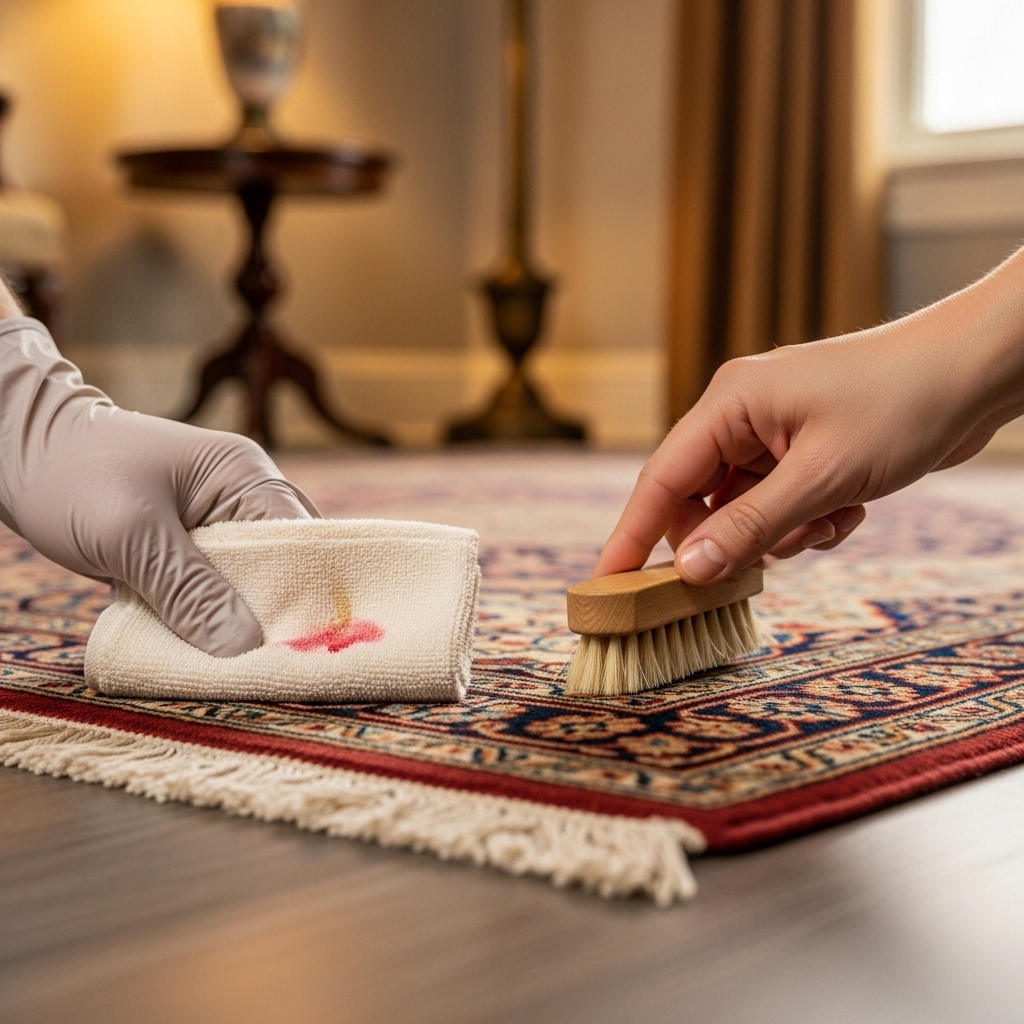
- Blot immediately with a white cotton towel; do not scrub.
- Test a hidden corner with a damp towel for color transfer before using any solution.
- Apply a small amount of appropriate cleaner. Enzyme agents work for protein soils like food or pet accidents; mild, wool-safe detergents for general spills.
- Agitate minimally with a soft brush in the nap direction.
- Rinse by blotting with a water-damp towel; avoid pouring water onto the rug.
- Dry quickly using fans and airflow. Place an absorbent towel under the rug if moisture could wick through.
Humidity and Seasonal Strategy in Tampa
Naperville’s summers can be muggy and winters dry. These fluctuations affect fibers and foundations.
- In summer, ensure prompt drying after any cleaning to prevent musty odors or browning.
- In winter, beware of static and brittle fringe; gentle handling reduces breakage.
- Use shades to reduce UV fading in bright rooms year-round.
- Increase vacuum frequency in early spring to remove pollen and grit quickly.
Fringe and Edge Care
Fringe is both beautiful and vulnerable. Handle with patience.
- Never vacuum fringe with a rotating brush; use suction only or a handheld nozzle.
- Gently align fringe after cleaning; avoid pulling loose threads.
- If fringe looks gray, focus on dry soil removal before any damp work to minimize wicking of soils.
Rug Pad Best Practices
A high-quality pad is a silent safeguard. It supports the foundation, reduces movement, and limits stress on knots.
- Match pad type to flooring and rug thickness.
- Replace pads that crumble, curl, or trap odors.
- Ensure the pad is a few inches smaller than the rug to prevent edge lift.
When Gentle DIY Isn’t Enough
There are times when specialized tools and knowledge make all the difference—especially for heirlooms and sensitive dyes.
- Recurring stains or odors that return after drying.
- Visible dye migration during spot testing.
- Heavy soil load from extended use or renovation projects.
- Persistent moth activity or unexplained fiber loss.
In these cases, a controlled wash process tailored to the rug’s construction—combined with careful drying and finishing—can restore clarity and hand-feel. Periodic, well-executed professional care complements your home routine and protects long-term value.
Creating a Maintenance Rhythm
Instead of unpredictable, intensive efforts, adopt a simple calendar system that keeps care light and consistent.
- Weekly: Vacuum and quick inspection for new spots or fraying.
- Monthly: Rotate and lift to vacuum underneath; groom pile lightly.
- Seasonal: Deeper dust removal and a comprehensive assessment of edges, backing, and fringe.
Display and Protection Tips
Oriental rugs deserve to be lived with, not hidden. Smart placement prevents avoidable wear.
- Use felt pads under furniture legs to prevent crushing.
- Consider low-pile runners in high-traffic halls and reserve delicate pieces for calmer rooms.
- Shield from direct sun where possible; rotate to balance natural light.
- Keep plants on trays; water away from the rug to avoid rings and hidden moisture.
Middle-Mile Care: Blending DIY and Experts
Many homeowners succeed with a hybrid approach: consistent dust control at home and a periodic, fiber-safe wash performed by specialists. This balance keeps day-to-day maintenance easy while addressing embedded soils that vacuums can’t reach. During busier seasons—end-of-winter cleanups or pre-holiday refreshes—coordinating rug cleaning can extend results and reduce the amount of spot treatment you need to do throughout the year.
Moth Prevention and Storage
Even in tidy homes, moths can find quiet corners. Preventing damage requires vigilance.
- Vacuum under and behind furniture near rugs regularly.
- Inspect the back edges for fine webbing or gritty larval casings.
- If storing, roll with pile inward, wrap in breathable material, and keep off the floor in a cool, dry place.
- Check stored pieces periodically to ensure no signs of pests or moisture.
What to Avoid with Oriental Rugs
- Excessive scrubbing or aggressive agitation that distorts pile.
- Unvetted home chemicals that can shift dye or leave residues.
- Over-wetting, which can cause browning, rippling, or foundation distortion.
- Dragging heavy furniture across the rug, which can stress knots and edges.
Frequently Asked Questions: Oriental Rugs in Tampa
Q: How often should a fine Oriental rug be vacuumed? A: Weekly, using suction only on delicate fibers. Increase frequency in high-traffic areas or during dusty seasons.
Q: Is it safe to spot-clean silk? A: Silk is highly sensitive to moisture and agitation. Minor dry soil removal is okay; for spills or stains, consult a specialist.
Q: What if colors transfer during a test blot? A: Stop and avoid DIY wet cleaning. Color movement indicates unstable dyes that need controlled professional care.
Q: How do I prevent rippling after cleaning? A: Avoid over-wetting, ensure thorough drying with airflow, and do not reposition furniture until the rug and pad are completely dry.
Q: Are enzyme cleaners okay for wool? A: Yes, for protein-based soils and with proper dwell time, followed by careful blotting and thorough drying. Always test first.
Q: What should I do about fringe that continually tangles? A: Manually align after each vacuuming and avoid aggressive brushing. A specialist can address structural issues if needed.
Q: Can I hang my rug to dry in the sun? A: Avoid direct hot sunlight for sensitive fibers and dyes. Choose indirect airflow and shade to minimize fading and water marks.
Bring Out the Best in Your Oriental Rugs
With careful weekly dust control, smart spot response, and seasonal assessments, your Oriental rugs will retain their glow and graceful movement for years to come. When a deeper, fiber-safe wash is appropriate—especially for delicate dyes, pet-related issues, or long-overdue refreshes—book professional rug cleaning with a team that understands hand-knotted construction, controlled drying, and finishing. Elevate your routine now to protect the heritage underfoot in your Tampa home.