
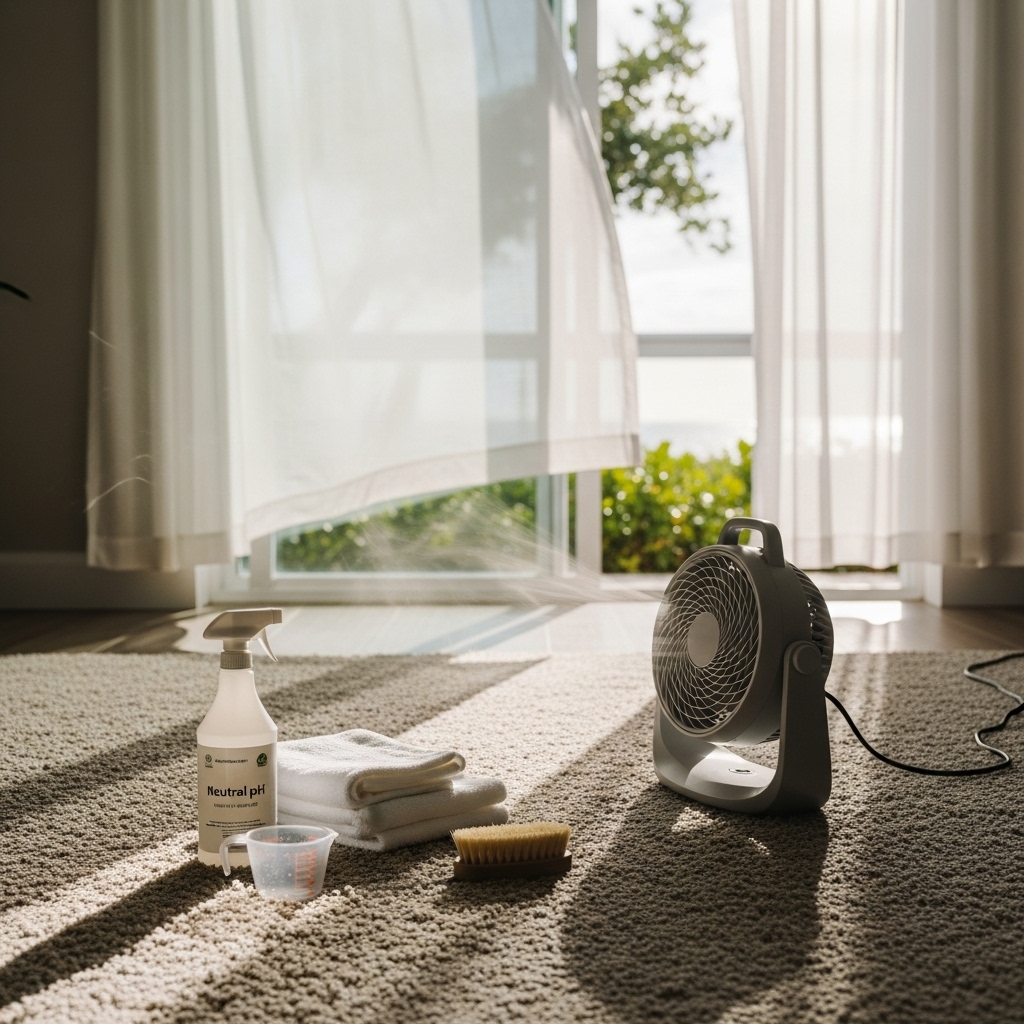
Rug cleaning kits can be a smart solution for quick maintenance and small spills, especially when you live in Tampa, Florida and face a steady mix of sandy grit, pet activity, and coastal humidity. With the right tools and a measured approach, you can extend the time between professional washes and keep your rugs looking lively. This guide shows how to use a kit safely on common fibers, how to prevent color issues, and when to stop DIY and bring in a specialist. To see how professionals in Tampa structure a full in-plant wash—useful context before you start—glance at this resource: keyword.
What Should Be in a Rug Cleaning Kit
White Cotton Towels: For blotting without dye transfer.
Neutral pH Spotter: Safer for wool and many dyes when used as directed.
Soft Brush or Microfiber Pad: For gentle agitation where appropriate.
Spray Bottles: One for solution, one for clear water to rinse.
Measuring Spoon or Cup: Prevents over-concentrating your solution.
Air Mover or Fan: Encourages fast drying, crucial in Tampa’s humidity.
Gloves and a Small Bucket: For safe handling and mixing.
DIY Steps for Common Spills
1. Test First: In a hidden area, lightly apply your spotter. Blot with a white towel and check for color transfer. If dye moves, stop and let the area dry. Consider a professional consultation.
2. Blot, Do Not Scrub: For liquids, place a folded white towel over the spill and press to lift moisture. Replace towels as they soak through.
3. Apply Solution Sparingly: Mist the spotter; avoid soaking. Allow short dwell time so the chemistry can work.
4. Gentle Agitation: If the fiber allows, use a soft brush or pad with light strokes, working from the outside in to avoid spreading the spot.
5. Rinse with Clear Water: Mist clean water to dilute residues. Continue blotting until the towel stays mostly clean.
6. Dry Quickly: Use an air mover or fan and increase room airflow. In Tampa’s climate, quick drying prevents browning, odor, and color movement.
7. Groom the Pile: Once dry, lightly brush the pile in its natural direction to restore texture and sheen.
Special Considerations by Fiber
Wool: Use a neutral spotter and minimal agitation. Avoid hot water. Prompt drying helps preserve the springy feel and prevents musty odor.
Silk or Viscose: These fibers are delicate and may lose sheen with moisture and friction. Test carefully and be conservative; many situations call for professional care rather than DIY.
Cotton: Prone to browning if overwet. Keep application light and dry thoroughly with airflow.
Synthetics (Polypropylene, Nylon): More forgiving, but oily soils can bond to the fiber. A quality spotter and thorough rinsing prevent sticky residues.
Odor Management in Humid Weather
Humidity can reawaken odors from previous spills or pet accidents. A kit can help with fresh incidents but rarely addresses contamination deep in the foundation. If a spot smells fine when dry and returns during rainy spells, that is a signal that embedded residues remain. In such cases, a full wash with foundation flushing is needed.
Stain Types and DIY Tactics
Pet Accidents: Blot immediately and apply an enzyme-based spotter designed for textiles. Keep application light, rinse, and dry aggressively with airflow. Persistent odor indicates the need for professional decontamination.
Food and Drink: Sugary or acidic spills can attract soil and dull fibers. Rinse thoroughly after using your spotter, then dry promptly.
Oily Drips: Grease requires a spotter designed to break oil bonds. Be conservative on natural fibers to avoid texture changes.
Mystery Spots: When in doubt, stop. Apply airflow and consult a professional before experimenting with multiple products.
Common DIY Mistakes to Avoid
Overuse of Product: Heavy application leaves residues that attract new soil and can change texture.
Colored Towels: Dyes can transfer onto damp fibers. Use plain white cotton only.
Scrubbing Fringe: Fringe can fuzz and look uneven when scrubbed. Treat with extreme care or leave it to a professional.
Skipping the Rinse: Leaving spotter behind is a recipe for rapid re-soiling.
Hanging Heavy Rugs on a Clothesline: Concentrated weight distorts the foundation. Dry flat with airflow.
How Tampa’s Climate Changes the DIY Equation
In a dry climate, minor overwetting might go unnoticed. In Tampa, it can lead to waviness, browning, and odor. Always prioritize quick, balanced drying. Use air conditioning or a dehumidifier during the process and keep the rug off damp surfaces. If a summer storm spikes humidity, extend drying time with steady airflow.
When to Stop DIY and Call a Pro
Color Transfer Appears During Testing: This warns that dyes may move. Continued DIY can set permanent changes.
Persistent Odor Returns After Rain: Embedded residues in the foundation need a thorough flush.
Large or Old Spills: The longer a contaminant sits, the deeper it travels, making home methods less effective.
Moth Activity or Visible Fiber Loss: Requires inspection, potential treatment, and sometimes repairs.
Tufted Rugs with Loose Backing: Excess moisture can weaken adhesives and cause ripples or delamination.
Building a Simple Home Maintenance Routine
Vacuum Schedule: Vacuum weekly in traffic areas and every other week in low-traffic spaces. Vacuum the back periodically to release grit.
Rotation: Rotate rugs every few months to balance sunlight and wear.
Rug Pad: Use a breathable pad to prevent slippage and reduce stress on the foundation. Pads also help limit dye transfer to floors.
Spill Response Kit: Keep your kit stocked and accessible. Quick action makes all the difference.
If you want to compare your DIY plan with the methods used by Tampa specialists, review this mid-guide reference for context: keyword.
Frequently Asked Questions
Q: Can I steam clean an area rug myself? A: High heat and pressure can cause color movement and texture change, especially on wool and hand-knotted pieces. A controlled, low-moisture approach is safer for most rugs.
Q: What if my rug feels stiff after a DIY clean? A: Residue may remain. Rinse with clear water, blot repeatedly, and dry with airflow. Persistent stiffness can indicate the need for a professional rinse and grooming.
Q: How do I prevent browning on cotton areas or fringe? A: Avoid overwetting, keep chemistry mild, and dry quickly with airflow and dehumidification.
Q: Is a protector worth it? A: A fiber-appropriate protector can provide extra time to blot spills and can slow re-soiling, but it is not a substitute for careful home habits.
Q: How often should I use a DIY kit versus scheduling a full wash? A: Use the kit for fresh spills and light touch-ups. Plan in-plant washing when routine care no longer restores brightness or when odors persist.
Ready for Fresher Rugs in Tampa
A well-stocked kit and a careful method can keep your rugs presentable between professional services. Know when to stop DIY—especially when dyes are delicate, odors return, or spills are extensive—and your rugs will stay beautiful longer. When you are ready to connect with a trusted Tampa specialist and learn more about thorough in-plant care, begin here: keyword. With the right mix of at-home maintenance and expert help, you can enjoy cleaner, brighter rugs all year long.