Searching for rug cleaning services near you in Tampa, Florida can feel overwhelming. Websites promise miracles, photos look impressive, and timelines vary. How do you compare providers and select the team that will treat your rug like the heirloom, décor piece, or family essential it is? This guide breaks down the criteria that matter most—experience, equipment, methods, and customer care—so you can make a confident choice. For a quick way to familiarize yourself with reputable in-plant processes used by local professionals, look into this helpful resource: keyword.
In-Plant vs. In-Home: What’s the Difference?
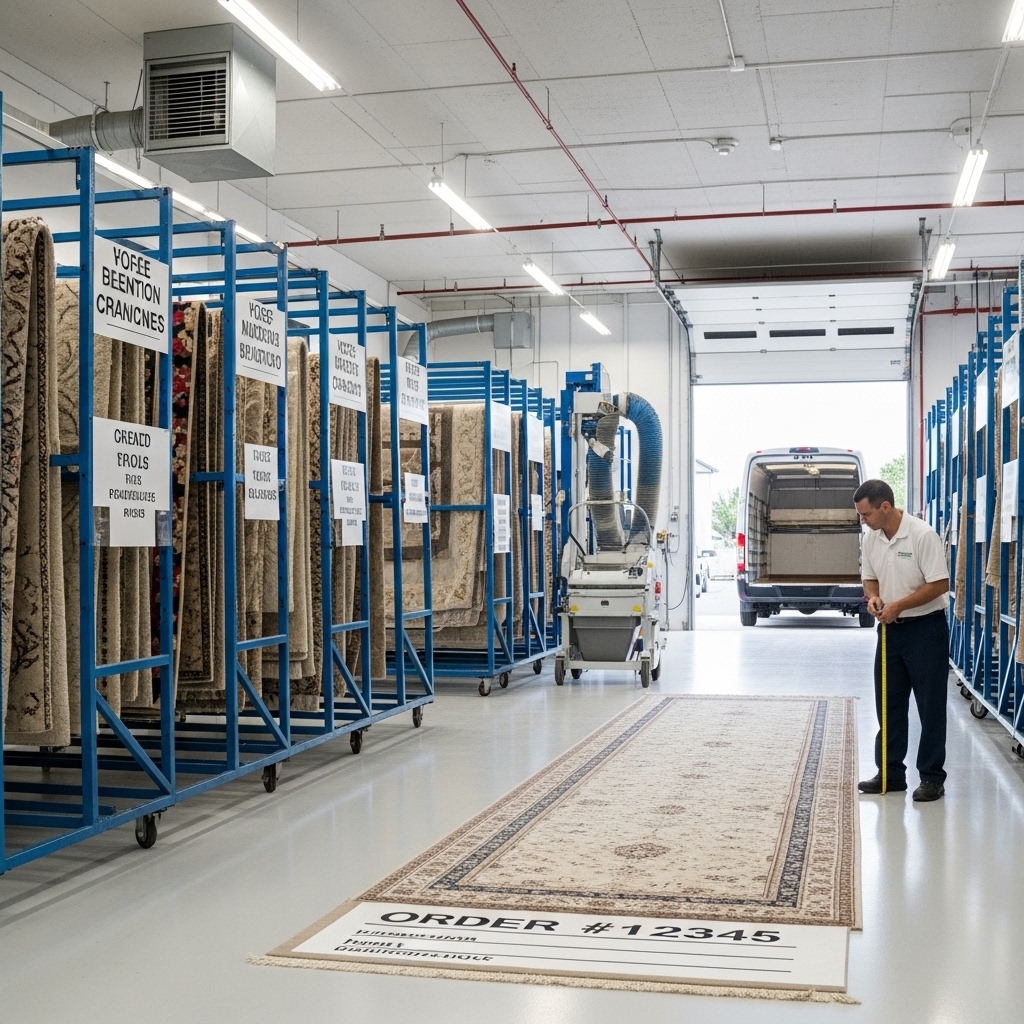
In-home surface cleaning can freshen synthetic area rugs or low-soil pieces, but it seldom reaches deep soils and salts trapped in the foundation. In-plant washing allows thorough dusting, controlled immersion or low-moisture hand-washing, and climate-managed drying—critical benefits for wool and hand-knotted rugs. A quality provider will explain which option fits your rug after inspection and dye testing, not before.
Essential Criteria When Choosing a Provider
Experience with Your Rug Type: Ask about the team’s track record with wool, silk/viscose blends, flatweaves, tufted rugs with latex backings, and hand-knotted Oriental rugs. Each category requires different handling.
Inspection and Testing: Reliable services perform a detailed intake with photos, measure and note pre-existing conditions, and test dyes for stability. This ensures the wash plan matches your rug’s construction and color behavior.
Dusting Capability: True rug washing starts with dry soil removal. Look for providers who use mechanical dusting or similar equipment to release embedded grit that household vacuums miss.
Controlled Wash and Rinse: Fiber-appropriate chemistry, measured agitation, and thorough rinsing prevent texture changes and residue that can attract new soil.
Drying Environment: In Tampa’s humidity, airflow and dehumidification are essential. Ask how they manage drying to keep the rug flat and stop dye movement.
Pet Odor Treatment: If pets have had accidents, confirm that the provider performs full foundation flushes rather than masking odors with fragrance.
Repair and Finishing: Minor repairs, grooming, fringe alignment, and final inspection indicate a complete, quality-focused service.
Evaluating Communication and Service
Clear Explanations: Professionals should describe their process, set realistic expectations, and outline possible risks for sensitive dyes or constructions.
Transparent Scheduling: Ask about pickup and delivery windows, typical turnaround, and how weather conditions can affect drying stages.
Before/After Documentation: Photos and written notes help you see the care taken with your rug and provide a record for future maintenance.
Guarantees and Follow-Up: A provider invested in long-term results will welcome feedback, offer care tips, and stand behind their work.
Questions to Ask During Your Search
What is your process for dye testing and how does it influence the wash method?
How do you remove dry soils before washing?
What steps do you take to manage drying in humid weather?
How do you handle pet-related odor or contamination?
Do you offer minor repairs or stabilization for ends and sides?
Can you explain how you protect fringe and delicate fibers?
Red Flags to Watch For
Promises of one-method-fits-all cleaning regardless of construction and dyes.
Lack of a dedicated drying setup or reliance on household fans alone.
Reluctance to perform dye testing before cleaning.
Minimal emphasis on dusting and soil removal.
Vague descriptions of pet odor “treatment” that sound like perfume rather than decontamination.
Understanding Timelines Without Surprises
A realistic schedule includes intake and inspection, dusting, targeted pre-treatment, full wash, thorough rinsing, controlled drying, grooming, and final inspection. Weather can influence the drying phase in Tampa, so professional facilities balance airflow and dehumidification to keep timelines reliable. When you plan around home events, factor in this sequence so your rug is back in place when you need it.
How Tampa’s Climate Shapes Your Decision
High humidity, frequent summer storms, and sandy soils argue strongly for in-plant cleaning and controlled drying. If your home hosts pets, kids, or gatherings, a provider with specialized odor treatment and quick response options is invaluable. Rugs near exterior doors and kitchens endure more grit and spills and may need more frequent service.
Preparing Your Rug for Pickup
Before pickup, remove small items and move furniture off the rug. Photograph any spots or areas of concern. If you suspect dye sensitivity or prior DIY attempts, mention them. The more your provider knows upfront, the better they can tailor the process.
Home Maintenance Between Professional Cleanings
Vacuum both face and back periodically to release grit. Rotate rugs to balance sun exposure. Address spills immediately by blotting with white towels and promoting airflow. Use breathable pads that do not trap moisture against floors. These habits lengthen the time between professional washes and keep colors lively.
If you want to see how seasoned technicians in Tampa outline their in-plant steps—from inspection and dusting to controlled drying—consider this mid-guide reference: keyword.
Frequently Asked Questions
Q: How often should I schedule a professional wash? A: Many homes benefit from every 12 to 24 months, adjusted for pets, traffic, and indoor air quality.
Q: Is in-home cleaning ever enough? A: For lightly soiled synthetics or quick refreshes, yes. For wool and hand-knotted rugs, in-plant washing is usually the safer, more thorough option.
Q: Can you guarantee that colors will not run? A: Honest providers never promise zero risk. They perform dye testing and choose methods to minimize risk and protect design clarity.
Q: What about odors that return during humid spells? A: That signals salts or contamination in the foundation. Proper decontamination and thorough rinsing resolve the source rather than masking it.
Q: Will my rug feel softer after cleaning? A: Yes, when residues and grit are removed and fibers are groomed, wool in particular regains its natural softness and glow.
Choose with Confidence
The right Tampa rug cleaning partner will combine expertise, specialized facilities, and clear communication. Look for careful inspection, robust dusting, tailored washing, and climate-managed drying. When you are ready to talk with a trusted local team and learn more about their approach, begin here: keyword. With informed questions and a quality-focused provider, your rugs will look beautiful and last longer in the Tampa climate.