
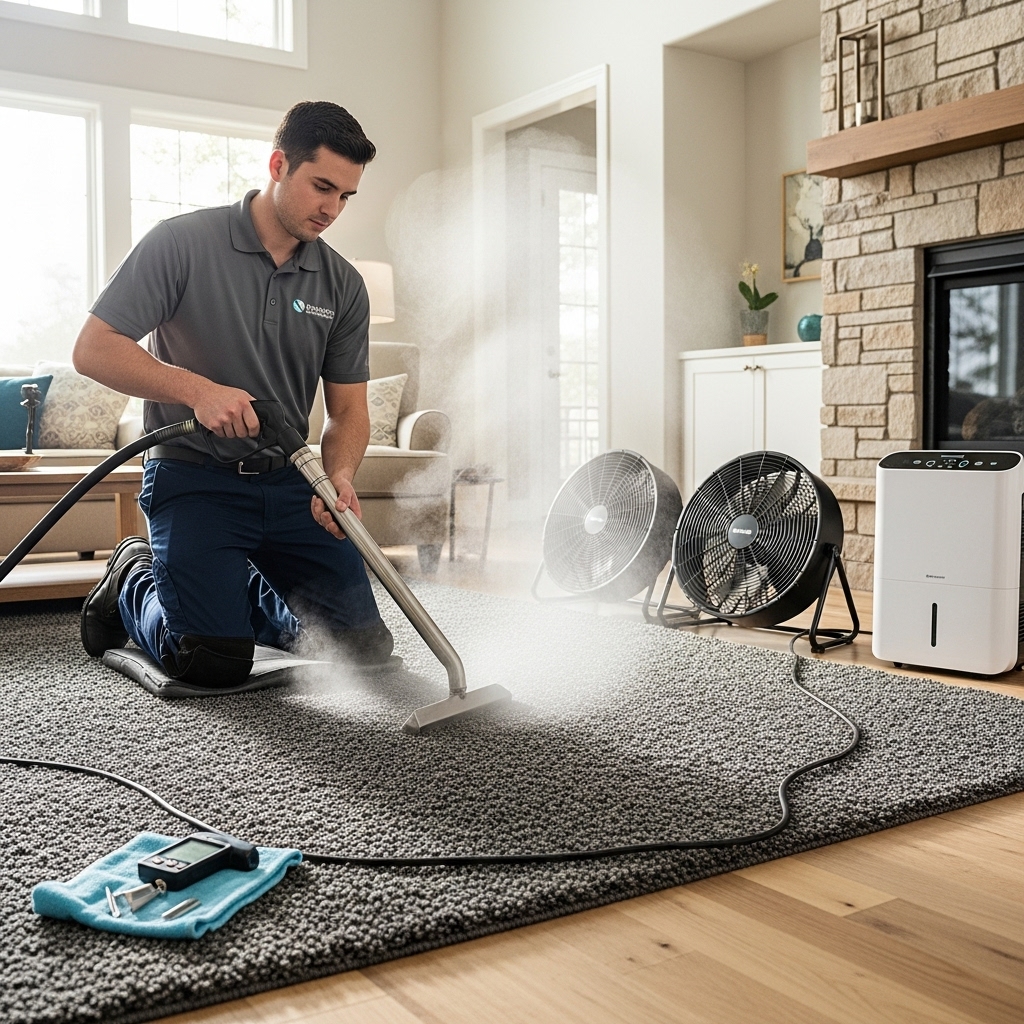
Steam Rug Cleaning in Naperville: A Balanced Guide to Pros and Cons
Steam-based or hot-water extraction methods can produce impressive results on certain rugs—lifting soil, rinsing residues, and refreshing texture. Yet, what looks straightforward can be risky with delicate fibers, unstable dyes, or adhesives used in some constructions. In Naperville, Florida, seasonal humidity and winter slush add more variables, making moisture management and drying speed even more important. This guide offers a clear, impartial look at when steam approaches make sense and when alternative strategies are safer. If you prefer to pair careful home care with help from trained specialists, scheduling professional rug cleaning is a smart way to get deep results without unnecessary risk.
What “Steam” Really Means
In residential contexts, “steam cleaning” typically refers to hot-water extraction: heated water and cleaning agents are applied and promptly extracted. True steam (vapor) systems exist, but the goal is similar—suspend soils and remove them through heat, moisture, and suction. Success depends on fiber identification, dye stability, pre-vacuuming, appropriate chemistry, and, most critically, controlled drying.
Potential Advantages
- Deep rinsing: Hot-water extraction can remove residues that vacuuming and low-moisture methods leave behind.
- Allergen reduction: When used correctly, it helps flush out fine dust, pollen, and dander embedded in the pile.
- Texture revival: Grooming after extraction can realign fibers and reduce matted appearance on robust rugs.
- Versatility for sturdier synthetics: Many synthetic rugs tolerate careful hot-water extraction when dye stability and backing adhesives are considered.
Key Risks and Limitations
- Over-wetting: Excess moisture can cause dye migration, browning, or backing separation.
- Fiber sensitivity: Wool can felt with aggressive agitation and heat; silk and viscose are highly vulnerable to distortion and water marks.
- Adhesive breakdown: Some tufted rugs use latex or adhesives that can weaken with moisture and heat.
- Slow drying in humid weather: Tampa summers can extend dry times, increasing the risk of odor and wicking.
Rugs That Often Do Well
While each rug requires testing, the following categories frequently respond positively to well-controlled hot-water extraction.
- Synthetics (nylon, polyester, olefin) with colorfast dyes.
- Durable wool rugs with stable dyes and solid construction.
- Short-pile, machine-made rugs with strong backings.
Rugs That Often Require Alternatives
High-end or delicate pieces can be harmed by excess heat and moisture.
- Silk and viscose: Risk of pile distortion, water rings, and loss of sheen.
- Antique or unstable-dye wool: Potential for color movement and foundation stress.
- Plant-fiber rugs (jute, sisal, seagrass): Low moisture tolerance; prone to swelling and discoloration.
Pre-Testing: The Non-Negotiable Step
Before any wet method, testing determines feasibility and safeguards the process.
- Dye stability: Blot a damp white towel on hidden areas and observe for transfer.
- Backing integrity: Check for delamination or brittle adhesives.
- Pile response: Assess how fibers react to gentle agitation and heat.
Preparation Checklist
Good outcomes start long before the first pass of a wand or tool.
- Thorough pre-vacuuming to remove dry soil that would otherwise turn to muddy residues.
- Furniture protection: Use blocks or tabs to prevent wood dye transfer.
- Solution selection: Choose wool-safe, pH-appropriate agents when applicable.
- Set realistic expectations: Some stains are permanent due to dye loss or chemical changes.
Application and Extraction Techniques
Control is everything: the right balance of temperature, moisture, and suction.
- Light, even application to avoid saturation.
- Multiple vacuum-only passes to speed drying.
- Targeted agitation with soft brushes where safe.
- Immediate grooming to align pile and prevent wick-back patterns.
Drying Strategies for Naperville’s Climate
Local weather can help or hinder your results. Plan accordingly.
- In summer, boost airflow and dehumidification; use fans to move air across the surface.
- In winter, rely on furnace circulation and room fans; keep humidity moderate to prevent static buildup.
- Confirm rugs and pads are fully dry before replacing furniture or laying protective pads.
When Steam Isn’t the Right Choice
Alternatives often deliver safer outcomes for sensitive pieces or complex soils.
- Low-moisture encapsulation: Useful for quick maintenance on certain synthetics.
- Dry compound methods: Granular absorbers brushed through the pile and vacuumed away.
- Hand washing in a controlled environment: Best for delicate antiques, silk, and unstable dyes when performed by specialists.
Odor and Stain Considerations
Odors often originate deep in the pile or backing. Over-wetting can worsen them as residues wick upward during drying. Aim for targeted treatments with controlled dwell times and thorough extraction. Some stains—like those stemming from dye loss—are not removable; success means making them less noticeable without harming surrounding colors.
Safety and Home Protection
Protect floors and furnishings during any moisture-based process.
- Use protective tabs under furniture legs and avoid direct contact with damp fibers.
- Place absorbent towels under the rug if cleaning on hardwood to catch residual moisture.
- Maintain good ventilation to control humidity and odors.
Myths vs. Reality
- Myth: Steam is always best. Reality: It is one tool among many; suitability depends on fiber, dyes, and construction.
- Myth: Hotter water equals better cleaning. Reality: Excess heat can damage fibers and set stains.
- Myth: More solution means a deeper clean. Reality: Over-wetting increases risks and slows drying.
Blending DIY and Professional Help
Homeowners often do well with routine vacuuming, prompt spill response, and smart placement that reduces wear. For deep refreshes, odor challenges, or delicate rugs, specialists offer controlled environments and fiber-specific methods that outperform in-home equipment. Timed around Naperville’s seasons, periodic rug cleaning can keep your collection fresh without taking unnecessary risks.
Frequently Asked Questions
Q: Can steam be used on all wool rugs? A: Many wool rugs tolerate careful hot-water extraction, but testing is vital. Aggressive heat and agitation can felt wool or cause color movement.
Q: Why does my rug smell after DIY cleaning? A: Slow drying and trapped residues are common culprits. Increase airflow, use fans, and avoid over-wetting.
Q: Is steam safe for silk or viscose? A: Generally no. These fibers are sensitive to moisture and heat and may distort or spot.
Q: How do I prevent wick-back stains? A: Limit moisture, extract thoroughly, groom the pile, and promote rapid, even drying.
Q: Should I clean both sides of the rug? A: For deep soil and odor concerns, both sides may require attention. This is best handled in a controlled environment.
Q: Will cleaning brighten dull colors? A: Removing embedded soils often reveals original vibrancy, but outcomes depend on dye quality and rug age.
Make the Smart Choice for Your Rugs
Steam-based methods can deliver standout results on the right rugs, but they are not universally safe. Understanding fiber sensitivity, dye behavior, and Naperville’s seasonal conditions helps you decide wisely. For pieces that demand careful testing, controlled moisture, and expert drying, book professional rug cleaning and enjoy cleaner, softer, longer-lasting rugs throughout your home.