
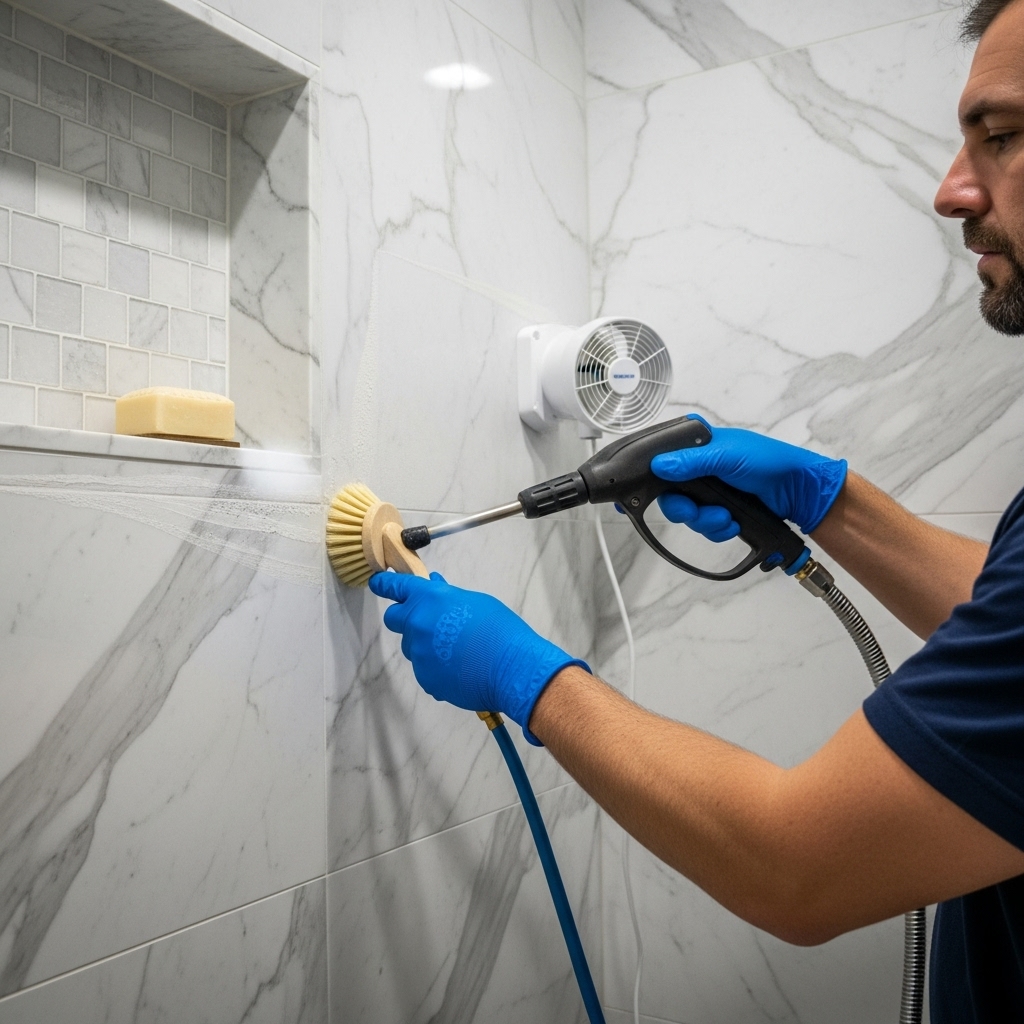
Grout is the backbone of every tiled space, locking in your layout while providing visual contrast and texture. In Tampa, humidity, tracked-in sand, and daily life can gradually discolor grout and trap odors. Fortunately, targeted service can lift embedded soil, restore clarity, and reinforce protection so your rooms look crisp again. Whether your grout is light, dark, sanded, or unsanded, a thoughtful plan yields dependable results. If your floors need a reset, professional tile cleaning paired with grout-focused techniques can make an immediate difference you can see and feel.
Grout lines are more porous than tile, which means they absorb spills and hold onto moisture. Kitchens, bathrooms, and entryways are the usual suspects for discoloration, but any high-traffic zone can show wear. A careful approach protects surrounding tile, respects grout composition, and brings everything back to a bright, even finish.
Know Your Grout Before You Start
Sanded grout contains fine aggregate for wider joints, while unsanded grout suits narrow gaps and certain tile types. Epoxy and other specialty grouts behave differently yet. Understanding what you have is crucial to avoid etching or softening during cleaning. If you are unsure, a professional can test discreetly to determine porosity and compatibility with solutions.
Color also plays a role. Light tones reveal stains faster, while dark grout may show salt deposits, soap scum, or dust. Each requires different tactics, and sometimes a color-seal is recommended to even out aged lines and provide renewed protection.
Why Professional Tools Matter
DIY scrubbing can help for minor touch-ups, but deep-set discoloration often requires controlled agitation and strong recovery. The goal is not just to loosen soil but to remove it fully so it does not resettle. Hot water extraction, brush systems engineered for grout, and precise chemistry work together to reach into pores and lift contamination without damaging the joint.
Equally important is pH management. Using an overly acidic or alkaline product can shift grout color or weaken the binder. Professionals select solutions that target the specific soil—grease, soap film, organic stains—while keeping the substrate safe.
The Grout-Focused Service Process
Inspection sets the stage. Technicians confirm grout type, look for previous sealants, and note problem zones: cooking lines near stoves, shower surrounds, and transition strips near doors. This reconnaissance informs product choice and dwell time so the process is customized to your home.
Dry soil removal follows, targeting edges and corners where debris hides. After that, technicians apply a grout-appropriate solution, allow it to dwell, and agitate with soft brushes matched to joint width. The cleaning phase then transitions to hot water extraction or rinse-and-recovery to carry away suspended soils.
After the floor is clean, neutralization brings pH back into a safe range, and the lines are allowed to dry before protection. A penetrating sealer is commonly applied to grout, giving you a window to wipe spills before they are absorbed. In some cases, a color-seal can restore uniform appearance and add another layer of defense.
High-Impact Areas in Tampa Homes
Kitchens see oil aerosols that settle invisibly across counters and floors, gradually darkening grout near prep zones. Bathrooms host steam and mineral deposits that encourage film on both tile and grout. Entryways and patio thresholds funnel outdoor grit directly into grout joints, and laundry rooms pick up detergent drips and lint.
Because Tampa living emphasizes indoor-outdoor flow, transition spaces benefit from focused attention. Strategically placed mats and regular dry dusting slow the march of sand, which otherwise abrades grout and makes it more receptive to stains over time.
DIY Care That Supports Professional Results
Routine care lays the groundwork for long-lasting results. Vacuum or dust-mop regularly to remove grit. Use pH-neutral cleaners designed for tile and grout, and rinse thoroughly to prevent sticky residues that darken lines. When spot-cleaning, work small sections and wipe residues promptly to avoid halos on surrounding tile.
Avoid aggressive tools. Metal brushes, razor blades, and harsh pads can scratch tile edges and gouge grout, creating places for new soil to hide. Soft brushes and microfiber cloths are your allies for safe detailing.
Sealing Strategy for Lasting Protection
Grout sealers resist stains and moisture uptake, giving you more time to address spills. Penetrating sealers are widely used because they preserve a natural look while helping repel contaminants. For grout that has permanently darkened or varies room to room, color-seal can even out appearance and simplify future maintenance.
Discuss timing with your provider. Clean, dry grout accepts sealer best, and cure times should be respected before heavy use resumes. Clear guidelines help you plan around kitchens and bathrooms that see constant traffic.
Recognizing When You Need a Deeper Reset
If grout remains dark after careful cleaning, or if lines look blotchy despite your best effort, it is time for a professional evaluation. Embedded soils, absorbed dyes, and aged sealants can require specialized chemistry to resolve. A comprehensive service brings the entire floor back to a consistent baseline so your daily care becomes easier and more effective.
Midway through your maintenance journey, consider pairing grout-focused work with whole-room service. Professional tile cleaning ensures that both tile and grout receive appropriate attention, and the results last longer when surfaces are addressed together.
Frequently Asked Questions
What causes grout to darken? Porosity allows liquids and fine soils to penetrate the surface. Grease aerosols, tracked-in dirt, and soap residues are common sources. Over time, these accumulate and change the apparent color.
Can grout always be restored to original color? Many lines can be brightened significantly with deep cleaning and sealing. If staining is permanent, color-seal can provide a uniform look while adding protection.
Is sealing necessary after cleaning? For most Tampa homes, yes. Sealing gives you time to react to spills and reduces how quickly discoloration returns. Your provider will recommend the right product based on grout type and room usage.
How often should grout be professionally serviced? Frequency depends on traffic, pets, and cooking or bathing habits. Kitchens and bathrooms typically need more frequent attention than guest rooms or lightly used areas.
Will cleaning damage my tile edges? Proper tools and methods protect edges. Avoid aggressive brushes and confirm that your provider adapts brush type to grout width and tile material.
What is color-seal? It is a specialized coating that recolors grout to a uniform shade while adding protective properties. It is often used when permanent staining or patchy color remains after thorough cleaning.
How do I keep grout looking clean longer? Combine routine dry dusting, pH-neutral mopping, generous rinsing, and high-quality entry mats. Promptly address spills and keep ventilation strong in bathrooms.
Is steam safe for grout? Steam can help loosen soils but should be paired with extraction or absorbent towels to remove residues. Excess heat and moisture without removal can leave deposits behind.
Restore Clarity Across Every Room
Clean grout reframes your entire floor, making patterns pop and rooms feel refreshed. With a careful process—inspection, targeted chemistry, controlled agitation, thorough extraction, neutralization, and sealing—you can reclaim even heavily used spaces. When your home needs comprehensive attention, schedule trusted tile cleaning to pair grout restoration with whole-room results that stand up to Tampa’s active, humid climate.
A thoughtful plan today means easier upkeep tomorrow. From entryways to kitchens and baths, your grout can look bright, feel clean, and stay protected through daily life and weekend gatherings alike.