
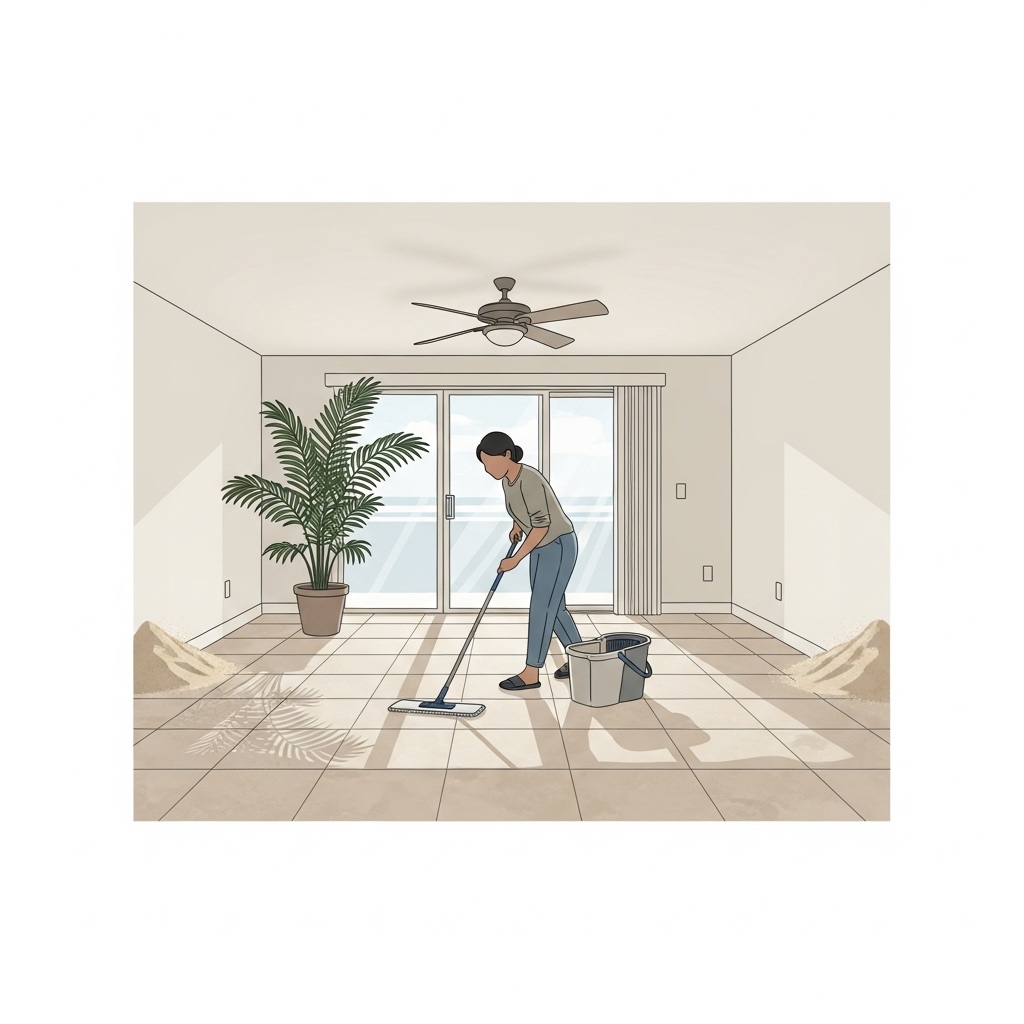
Welcome to Your Tampa Home Tile Care Guide
Tile flooring thrives in Tampa’s warm, humid climate and stands up well to sandy shoes, poolside traffic, and busy kitchens. With the right techniques and routines, homeowners can keep grout crisp, surfaces safe, and rooms feeling cleaner day after day. This homeowner-focused guide provides practical steps, room-by-room strategies, and answers to common questions so you can maintain a healthy shine without frustration. If you ever want an extra boost or a periodic deep refresh, professional tile cleaning can complement your regular routine and help you reset stubborn areas.
Whether you live in a downtown condo or a family home near the bay, your tile sees a lot of action. The keys to success are consistent maintenance, careful product selection, and the right methods for each space. Let’s walk through what works in Tampa homes and why.
Understand Your Tile, Grout, and Environment
Before you pick up a mop, identify what you are cleaning. Porcelain and ceramic tiles handle a wide range of cleaners and are common in living areas and kitchens. Natural stone such as marble, travertine, and slate requires stone-safe chemistry to avoid etching or dulling. Grout can be sanded, unsanded, or epoxy-based, and may or may not be sealed. The Tampa environment introduces extra factors—humidity, salt air, rain-soaked entryways, and sandy grit from outdoor recreation—so it is crucial to tailor your approach to the space, the season, and the material.
Your DIY Tile Care Toolkit
- Microfiber dust mop and a vacuum with a hard-floor head
- Neutral cleaner for routine mopping
- Tile-appropriate alkaline cleaner for greasy or stubborn soils
- Stone-safe cleaner for natural stone surfaces
- Nylon brushes and a dedicated grout brush
- Two buckets (one for solution, one for rinse water)
- Clean microfiber cloths and towels for drying and buffing
- Fans or HVAC to promote airflow and speed drying
Daily and Weekly Habits That Pay Off
Small, consistent steps are the best defense against buildup. Sweep or vacuum several times per week to remove grit, which acts like sandpaper and dulls finishes. Use walk-off mats at entrances to trap moisture and sand. For routine mopping, choose a neutral cleaner and avoid oversaturating the floor. Wring your mop thoroughly and refresh your rinse water often to prevent redepositing soil. After mopping, a quick towel-dry or microfiber buff helps to reduce streaks and fight humidity-related hazing.
Kitchen Strategies: Grease, Spills, and Traffic
Kitchens are the heart of the home but collect oils, sauces, and crumbs. Address spills quickly, especially acidic foods like citrus or tomato on stone. For periodic deep cleaning, pre-spray an alkaline cleaner formulated for tile, allow dwell time, and agitate with a brush. Rinse with clean water and consider a neutralizing rinse to balance pH afterwards. Pay attention to stove and sink zones, where overspray and drips are common. Move small appliances and mats, and detail along kick plates and base cabinets where residue accumulates.
Bathroom Tactics: Soap Film and Mildew
In Tampa’s humidity, bathrooms can develop soap film on tile and mildew in grout. Improve ventilation by running the fan during and after showers. For cleaning, select a product that targets soap residue and mildew while remaining safe for your specific tile. Agitate grout lines with a brush, rinse thoroughly, and dry surfaces to discourage regrowth. Keep shower doors or curtains open after use to allow air to circulate, and squeegee walls or floors as part of your routine to reduce buildup.
Living Areas and Hallways: Sand and Everyday Soil
Living rooms and hallways see footwear, pet traffic, and the constant flow of daily life. Consistent sweeping is your best friend. When damp mopping, resist the urge to add extra cleaner; more solution is not always better. Instead, honor dwell time for stubborn patches and use a slightly firmer brush on grout that collects soil near seating areas, toy bins, or pet bowls. Drying is crucial—fans or AC can help ensure your effort dries spotless rather than streaky.
Outdoor and Semi-Outdoor Spaces
Porches, sunrooms, and lanais often have tile because it handles moisture well. These areas collect outdoor dust, pollen, and salt-laden air. Sweep frequently and rinse with clean water to prevent grit from abrading the surface. For deep cleaning, apply a suitable cleaner, allow dwell time, scrub, and rinse thoroughly. Consider timing your work for a cooler part of the day, and ensure robust airflow to dry surfaces faster and reduce the risk of slip hazards.
Grout Care: The Details Make the Difference
Grout can show soil faster than tile because it is more porous. Target grout lines with a dedicated brush, working in manageable sections. For stubborn lines, allow a bit more dwell time before scrubbing. Rinse to remove loosened soil and wipe excess moisture so nothing dries back into the pores. For long-term ease of upkeep, sealing clean, dry grout can help repel liquids and slow staining, though routine cleaning still remains important.
Common Mistakes to Avoid
- Using too much cleaner or failing to rinse, which causes haze
- Over-wetting floors, pushing soil deeper into grout
- Using aggressive pads on delicate stone or glossy tiles
- Skipping dry soil removal before mopping
- Neglecting ventilation, leading to slow drying and streaks
Mid-Guide Refresh: Stay Balanced and Flexible
Great results come from balancing chemistry, agitation, and time. Choose the right product, let it work, and use the least aggressive tool that gets the job done. If you’ve inherited a floor with years of residue or discoloration, you can still bring it back with patience and methodical passes. And when you want a clean slate fast, a professional deep service with careful, residue-free tile cleaning can reset problem areas so your regular maintenance stays easy.
Seasonal Considerations for Tampa Homes
Summers bring intense rains and higher humidity, so prioritize airflow and drying. Keep entry mats extra clean to capture more moisture and sand. In drier months, dust can build up more quickly; sweep often and consider a vacuum with a HEPA filter if allergies are a concern. If you live near the water, watch for salt film that can dull surfaces and rinse more frequently.
When to Call in Help
DIY maintenance works well for routine care, but some signs suggest it’s time to bring in reinforcements. Persistent grout discoloration that does not respond to cleaning, slippery film even after multiple rinses, heavy soap scum in showers, or lingering odors in laundry rooms all point to issues that may require specialized tools or techniques. A deeper service can remove layers of residue and set you up for easier upkeep going forward.
Frequently Asked Questions
Q: How often should I mop tile floors in a busy Tampa home?
A: Many households do a light mop weekly and spot clean as needed. Deep cleaning varies by traffic, pets, and outdoor activity, but every one to three months is common.
Q: Can I use one cleaner for all rooms?
A: A neutral cleaner is a safe choice for routine mopping across most areas. Bathrooms and kitchens sometimes benefit from targeted products that tackle soap or grease. For natural stone, use stone-safe chemistry.
Q: What’s the best way to avoid streaks?
A: Rinse thoroughly, refresh rinse water often, and dry the floor with microfiber. Use fans or AC to speed evaporation in humid weather.
Q: How do I keep grout from getting dirty so fast?
A: Consistent dry soil removal, prompt spill cleanup, and optional grout sealing after a thorough clean help slow re-soiling. Mats at entryways also make a big difference.
Q: Is steam cleaning safe for tile and grout?
A: It can be effective on some ceramic and porcelain installations, but test first and avoid on moisture-sensitive stone or weak grout. Always follow manufacturer guidance.
Q: Why does my floor feel sticky after I mop?
A: Sticky floors often indicate leftover detergent or dirty water. Use the correct dilution, rinse thoroughly, and buff dry to remove residue.
Q: How can I make my routine faster?
A: Keep a small kit handy with a dust mop, neutral cleaner, microfiber towels, and a grout brush. Quick spot work prevents bigger projects later.
Ready for Fresher, Brighter Tile?
Tampa living is active, and your floors should keep up. Build a simple routine you can stick with: frequent sweeping, smart product choices, targeted agitation, and thorough rinsing and drying. If you want a transformation without the trial and error, book professional tile cleaning and enjoy a healthy, welcoming shine across your home.