
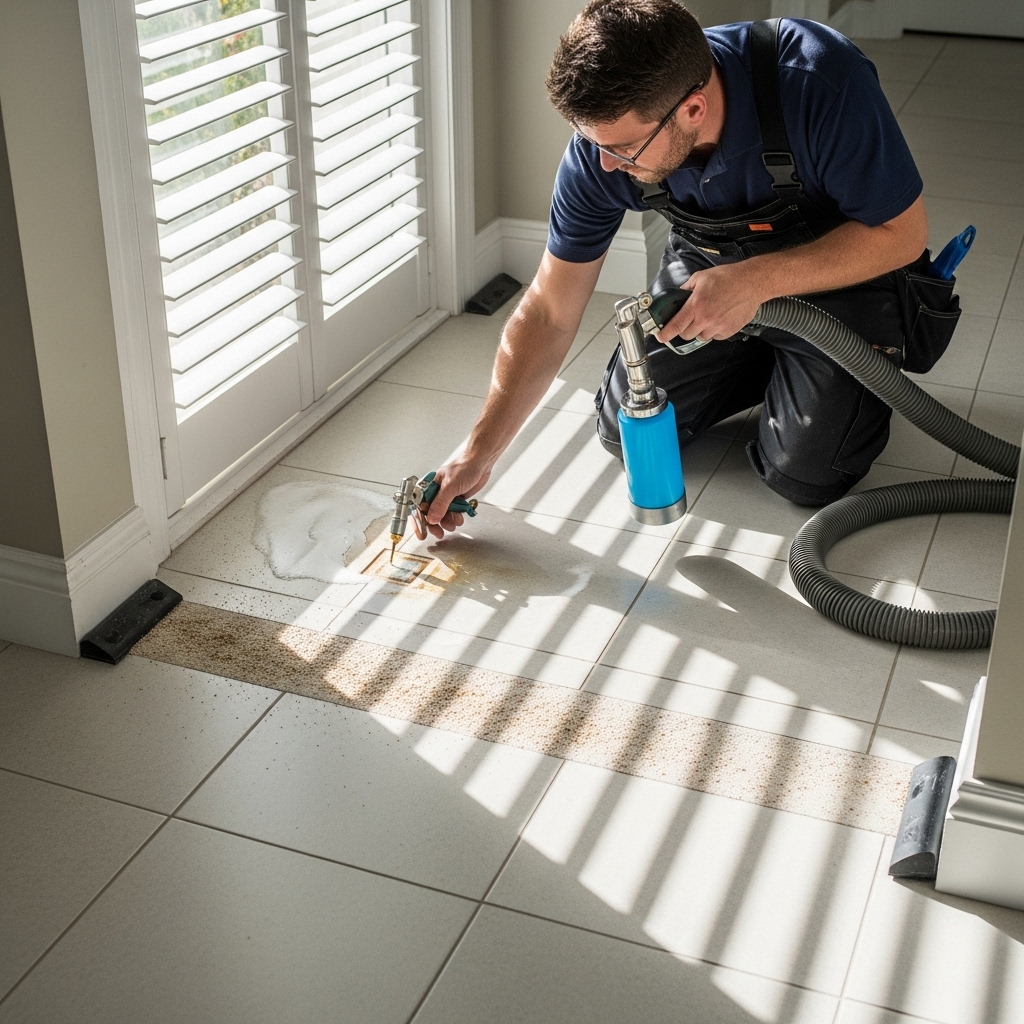
When you schedule tile and grout cleaning in Tampa, Florida, you want to know exactly what will happen, how long the process may take, and how to prepare. This city’s coastal climate brings unique challenges: humidity, fine sand, and frequent indoor-outdoor traffic all contribute to buildup that standard mopping cannot fully remove. A well-run appointment should feel organized from the moment the crew arrives. This guide walks you through the typical sequence, explains the tools and solutions used, and shares homeowner tips to make the experience smooth and effective. If hiring a local specialist, review how they structure tile cleaning so you can anticipate each step with confidence.
Arrival and Assessment
The visit begins with a walkthrough. The technician confirms the areas to be cleaned, notes any concerns, and identifies tile type and grout composition. They ask about past products used, previous sealing, and any areas that tend to get sticky or appear dull. In Tampa homes, frequent targets include kitchen work zones, bathroom floors and showers, and entryways near lanais, patios, or garages.
During assessment, you may see small test spots to determine the most effective solution. The goal is balanced cleaning that protects finishes while removing films and embedded soil. The technician will discuss access, water sources, and where to stage equipment to minimize disruption.
Preparation and Protection
Next, the crew prepares the space. They shift small items off the floor, place corner guards where hoses or cords might pass, and confirm pet safety. Dry soil removal comes first: vacuuming and dusting remove grit that can otherwise scratch tile during wet work. This step also shortens the time needed for deeper agitation later.
Another key preparation step involves identifying transitions between materials, such as tile to hardwood. The team plans gentle edging in these zones to prevent moisture from wicking into adjacent surfaces. In bathrooms, ventilation is evaluated to help with drying later in the visit.
Pre-Treatment and Dwell Time
Pre-treatment solutions are selected for the specific soils present. Kitchen areas may need products that target oils and food residues; bathrooms may call for detergents that address soap film and mineral buildup. The solutions are applied evenly, and a dwell period allows them to loosen soils inside grout pores. This is one of the most important phases because it sets up effective agitation and extraction.
Agitation: Lifting Soil from Tile and Grout
Agitation brings the chemistry to life. Tools vary by company, but common options include rotary machines with nylon brushes, hand tools for corners, and specialty brushes for narrow grout channels. The goal is to dislodge soil without damaging the tile or gouging the grout. In Tampa, technicians pay special attention to entryways and shower floors, where embedded residue often concentrates.
Rinse and Extraction
After agitation, the loosened soil and detergent must be removed thoroughly. This is where controlled rinsing and extraction shine. Professionals use equipment that flushes residues and collects the dirty solution before it can resettle. Proper extraction is crucial; leaving product behind can create a sticky film that attracts new soil.
Edges, corners, and under-cabinet kick spaces receive careful detailing. Technicians use towels or specialized tools to ensure no standing water remains near baseboards or transitions. This attention to detail supports faster, safer drying.
Inspection and Touch-Ups
Once the primary cleaning is complete, the team inspects the floor from multiple angles and lighting conditions. Any remaining trouble spots are treated and re-agitated as needed. The technician will invite you to review the results and provide guidance for walking paths if rooms need additional drying time.
Optional Sealing
Depending on grout condition and household traffic, sealing may be recommended to reduce absorption. The product is applied after surfaces are clean and dry enough for proper bonding. Sealing does not make grout stain-proof, but it does make routine cleaning easier by giving you more time to wipe up spills before they absorb.
Drying and Re-Entry
Airflow is encouraged with fans or open doors where appropriate. In Tampa’s humid months, air conditioning can help reduce moisture more quickly. Technicians provide guidance about re-entry, identifying areas that are ready for light foot traffic and those that benefit from additional drying time.
What Homeowners Can Do to Prepare
A little preparation goes a long way toward a smooth appointment:
Clear floors of small items, baskets, and rugs. Move light furniture where possible and discuss heavier pieces with the technician.
Vacuum or sweep before the visit to remove loose particles.
Secure pets to keep them safe and calm around hoses and equipment.
Identify problem spots such as persistent grout darkening or areas near the dishwasher and fridge where drips occur.
Common Tampa Trouble Spots
Kitchen cooking zones collect oils and fine particulates that settle into grout. Bathroom floors gather soap film and minerals. Entryways near pool decks bring in grit and moisture, and laundry rooms may capture detergent residues. Recognizing these patterns helps tailor the service and sets expectations for results.
Understanding Results and Maintenance
Professional cleaning often restores grout to its truer shade and removes haze from tile. If grout has long-standing discoloration or was previously unevenly treated, results can still be impressive but may vary by section. The technician can explain what improvements are realistic and which areas may benefit from periodic touch-ups.
After the visit, maintain with simple habits: frequent dry dusting, damp mopping with a neutral cleaner, and quick attention to spills. Place door mats at entries and rotate them regularly. In bathrooms, boost ventilation after showers to reduce lingering moisture that can settle into grout lines.
How This Differs from DIY
DIY tools usually lack the agitation power and controlled extraction of professional equipment. While at-home methods are valuable for upkeep, they seldom reach the deepest layers in grout. Over time, do-it-yourself efforts can plateau, leaving you with persistent shadowing or dulled surfaces. Professional service resets the baseline so your regular routine delivers better day-to-day results.
What to Ask Your Technician
Before work begins, ask about the solutions planned for your tile type, whether grout sealing is appropriate, and the expected drying window. Confirm which areas will be cleaned first so you can plan household movement. Discuss post-clean recommendations specific to your home’s traffic patterns and pets.
Mid-Process Perspective
If you step into the room mid-service, you will likely notice a methodical rhythm: apply, dwell, agitate, rinse, and extract. The visible transformation is often most dramatic after extraction, when residues are removed from the pores and the tile surface looks brighter. Tampa homeowners often appreciate providers who emphasize thorough tile cleaning with clean rinses, careful edging, and respectful handling of transitions between materials.
Frequently Asked Questions
How long does a typical appointment take? The timeline varies with the size of the area, soil level, and whether sealing is included. Your technician will provide guidance during the walkthrough.
Can I stay home during the visit? Yes. Technicians can coordinate room access so your routine continues with minimal interruption.
Will the process create strong odors? Professional-grade solutions are used in controlled amounts and thoroughly rinsed. Ventilation helps ensure a fresh result.
Is the process safe for pets and children? Reputable companies use appropriate products and advise on re-entry times. Keep pets and children away from work areas until surfaces are dry.
What if my grout color was changed in the past? Share that information during the assessment. Cleaning improves appearance, and the technician can discuss options if color-seal or regrouting is part of your history.
Do I need to move appliances? If cleaning under large appliances is desired, discuss logistics in advance. Technicians can outline safe approaches or alternatives.
How soon can I put rugs back? Wait until surfaces are fully dry to avoid trapping moisture. Your technician will advise based on conditions that day.
Will cleaning make my floors slippery? Removing film typically reduces slipperiness. Thorough rinsing and extraction help ensure a residue-free surface.
Ready for a Smooth, Predictable Appointment
Understanding each step in advance sets you up for success. From assessment through drying, the process is designed to lift embedded soil, restore grout clarity, and create a surface that is easier to maintain. If you want dependable results from a courteous, detail-oriented crew, choose a Tampa provider known for precise tile cleaning and clear communication every step of the way.