
Introduction
If you are new to caring for tile and grout in Tampa, Florida, you are in the right place. This beginner-friendly guide shows you how to clean efficiently without damaging finishes, how to choose products with confidence, and how to build a simple routine that fits our humid, sandy environment. Along the way, we will highlight smart habits that save time and prevent frustration. If you are curious how your approach compares to advanced methods, you can review reputable information on tile cleaning and borrow the best ideas for your home.
Tile offers durability and a cool feel underfoot—perfect for Tampa’s climate. Yet moisture, rain, and tracked-in sand can dull finishes or stain grout if not handled properly. These tips will help you focus on what matters most so you get great results from day one.
Beginner Basics: Know Your Surface
Porcelain and ceramic tiles are highly durable and easiest for beginners. Natural stone (such as marble and travertine) is more delicate and should never be exposed to acidic cleaners. Glass mosaics reveal streaks quickly, so drying matters. Cement and encaustic tiles often have a matte surface and vivid patterns that require gentle, non-acidic care. Think of grout as part of the floor, not just the lines between tiles—its porous nature is why sealing and quick spill cleanup matter.
Starter Kit: Tools You Need
- Soft broom or microfiber dust mop.
- Vacuum with a hard-floor setting to capture grit and pet hair.
- Two buckets: wash and rinse.
- pH-neutral tile cleaner; stone-safe cleaner for any natural stone areas.
- Microfiber pads and a non-scratch scrub sponge.
- Grout brush with firm nylon bristles.
- White towels or microfiber for drying and buffing.
- Squeegee for showers and glass tiles.
The Three-Phase Method
- Dry clean: Sweep or vacuum to remove sand and dust that can scratch tiles.
- Wet clean: Apply a diluted cleaner, allow short dwell time, and agitate lightly.
- Rinse and dry: Rinse with clean water and towel dry to prevent spots and residue.
This method scales from quick daily maintenance to weekly and monthly routines and works for most tile types when you choose the right cleaner.
How to Choose and Mix Cleaners
Pick a pH-neutral cleaner for ceramic and porcelain. For natural stone, use a product labeled stone-safe. Read the label and follow dilution instructions—over-concentration causes sticky residue and a dull look. Always test in an inconspicuous spot before cleaning the full area, and avoid mixing products.
First Wet Clean: A Walkthrough
- Clear the area and sweep thoroughly.
- Mix your cleaner with water per directions.
- Apply to a small section and let it sit briefly.
- Agitate with a microfiber pad, focusing on traffic lanes first.
- Brush grout lines gently in discolored areas.
- Rinse with clean water, change rinse water as needed.
- Dry with towels for a streak-free finish.
Beginners often worry about leaving streaks; drying is the remedy. It also helps you see any spots you missed so you can address them immediately.
Beginner Mistakes to Avoid
- Skipping dry cleaning and grinding sand into the floor with a wet mop.
- Using vinegar or lemon on stone and cement tiles (causes etching).
- Using too much detergent, leaving sticky films that attract dirt.
- Neglecting to rinse and dry—residue remains and dulls the floor.
- Using abrasive pads on glossy tiles.
Handling Stains
- Grease: Use a pH-neutral degreaser, dwell briefly, and blot or wipe.
- Soap scum: Apply a non-acidic product and agitate with a soft pad.
- Mineral spots: Choose a product rated safe for your tile; test on stone.
- Mildew in grout: Improve ventilation and use a grout cleaner with a firm brush.
Clean small areas and evaluate results before moving forward. Gentle repetition is safer than forceful scrubbing.
Middle-Mile Improvements
Once you are comfortable with basics, set a weekly routine and a monthly deep-clean moment. For weekly work, keep a small caddy of essentials—cleaner, pads, and a brush—ready to go. For monthly deep cleaning, pre-soak, agitate, and rinse thoroughly. If you are curious whether your approach is efficient, compare it with professional tile cleaning techniques. Even as a beginner, you can replicate many best practices safely at home.
Grout Care 101
Grout stains because it is porous. After your tiles look clean, evaluate the grout. If it remains dark or uneven, apply a grout cleaner and scrub in short, linear motions. Rinse and dry. Consider sealing once the grout is fully dry; this helps resist future staining and simplifies maintenance for beginners who want less scrubbing later.
Bathrooms and Showers for Beginners
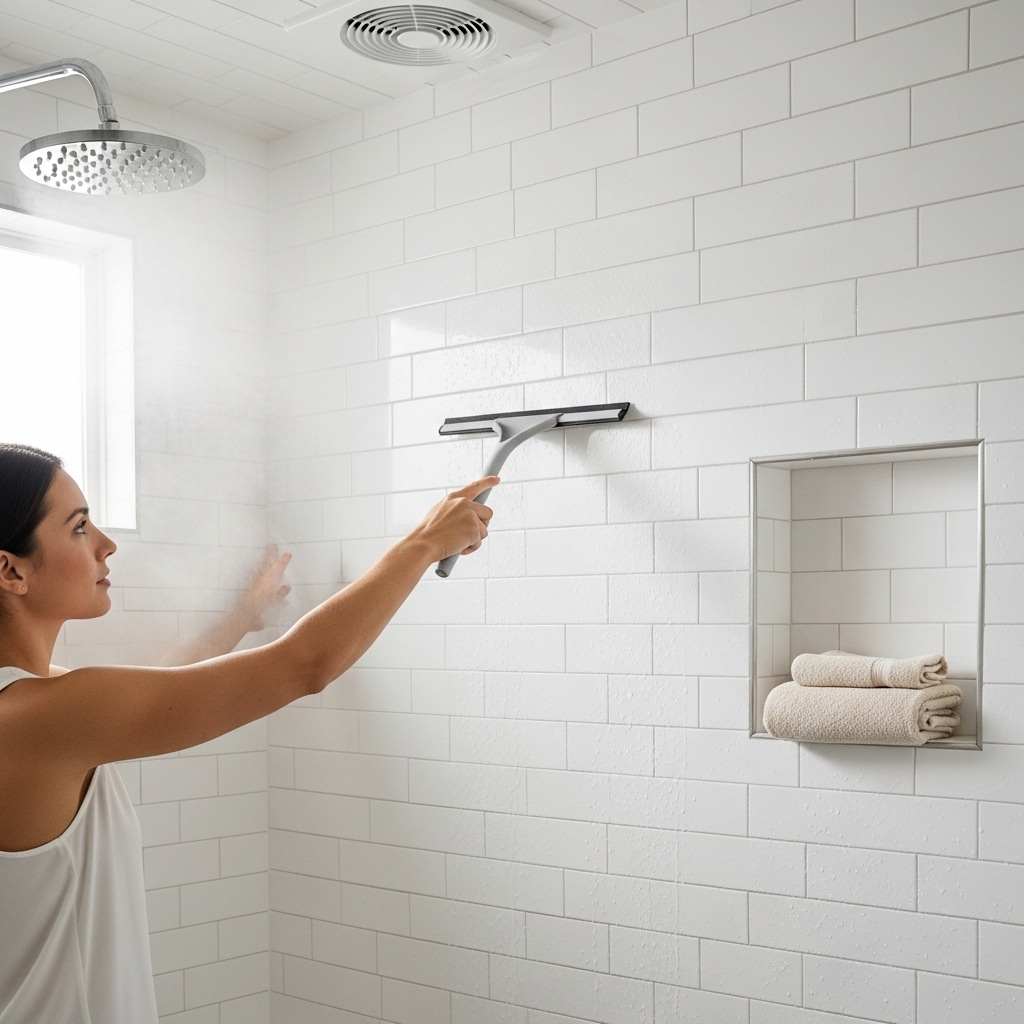
Run exhaust fans while showering and for at least 15 minutes after. Squeegee walls and glass to limit soap scum and mineral spotting. Clean weekly with an appropriate cleaner for your surface—stone requires stone-safe formulas. Address mildew quickly; it grows faster in humidity.
Kitchens and Entryways
In kitchens, pre-treat greasy spots with a suitable cleaner and dwell briefly. Along toe-kicks, where crumbs and splashes collect, use a microfiber cloth and a small brush. In entryways, place walk-off mats to catch sand and moisture. Dry mop daily if your home connects to outdoor spaces or a pool area; Tampa’s lifestyle makes that especially helpful.
Outdoor Tile Tips
Sweep patios and lanais regularly to remove debris, pollen, and sand. Rinse with a hose or low-pressure sprayer and apply a tile-safe cleaner when needed. Verify that products are rated for exterior use and avoid making surfaces slippery by removing excess cleaner and water promptly.
Efficiency and Eco-Friendly Habits
Use microfiber pads to reduce chemical use and water consumption. The two-bucket method keeps rinse water clean so you do not redeposit soil. Drying with towels speeds the process and shows results instantly. These small efficiencies are perfect for beginners who want quick wins.
When to Seal
Grout sealing is recommended for most installations, and natural stone or cement tiles also benefit from sealing. Use a penetrating sealer compatible with your surface, apply thin coats, remove excess, and let it cure as directed. Sealing helps beginners by offering a margin of protection against stains and moisture.
Frequently Asked Questions
Q: What is the safest cleaner to start with? A: A pH-neutral cleaner for ceramic and porcelain is a reliable choice; use stone-safe cleaners for natural stone.
Q: How do I keep my tile from looking dull? A: Remove dry grit first, use proper dilution, rinse, and towel dry. Avoid overusing cleaner.
Q: Is steam cleaning safe for beginners? A: Steam can be safe on ceramic and porcelain when used carefully. Avoid on sealed or sensitive stone surfaces unless the tool is rated for that use.
Q: How often should I clean grout? A: Spot clean grout during weekly maintenance and plan a deeper session monthly. Seal grout to reduce future work.
Q: Can I use vinegar for everything? A: No. Avoid vinegar on natural stone and cement tiles; it can etch and dull the surface.
Q: What should I do about persistent mildew? A: Increase ventilation, squeegee after showers, and use a grout-safe cleaner. Consider resealing once the area is dry.
Confident Results for Tampa Beginners
By focusing on the simple, repeatable steps—dry clean, wet clean, rinse, and dry—you will quickly build confidence and see professional-looking results. Keep your kit handy, protect grout with a quality sealer, and adjust your schedule to Tampa’s humidity and outdoor living. When you are ready to level up your results or want a seasonal refresh, align your routine with tile cleaning best practices and partner with trusted tile cleaning experts who can complement your efforts and keep your spaces shining.