
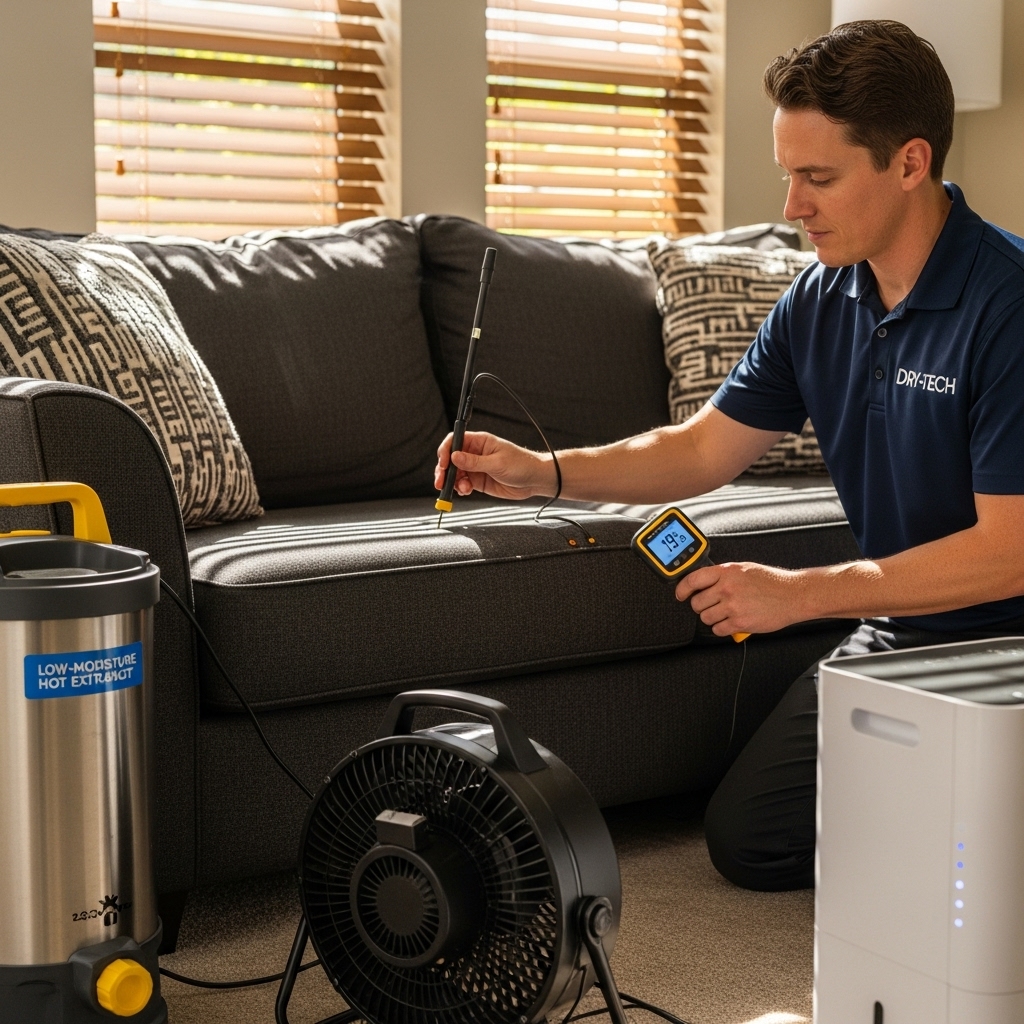
Introduction: Solve Tough Upholstery Problems the Tampa-Smart Way
Some furniture challenges go beyond basic vacuuming and spot treatment. Reappearing stains, mystery odors, color bleeding, or browning after drying can frustrate even experienced DIYers—especially in Tampa’s warm, humid environment where slow evaporation complicates everything. This advanced troubleshooting guide explains why problems occur and how to correct them with safer methods, lighter moisture, and climate-aware drying. If you want expert intervention at any time, professional upholstery cleaning can reset difficult pieces with the right chemistry, controlled extraction, and rapid drying protocols.
We’ll examine common failure points—wicking, browning, bleed, pile distortion, residue, odor, and recurring spots—plus Tampa-specific tactics to reduce risk and improve outcomes. Use these strategies to refine your approach, protect delicate fibers, and maintain a healthy home.
Wicking: Why Stains Return After Drying
Wicking occurs when moisture carries dissolved soil from deeper layers to the surface as fabric dries. It is common on plush cushions or when heavy wetting is used to chase a stain. Tampa’s humidity slows evaporation and lengthens the time moisture spends migrating upward. To correct wicking, use lighter applications, improved extraction or blotting, and stronger airflow. If a stain reappears, re-treat with minimal moisture, extract or blot thoroughly, and position fans for cross-ventilation. Standing cushions on edge increases surface area and speeds uniform drying, which is key to stopping wick-back.
Browning: Understanding and Preventing the Yellow-Brown Cast
Browning can result from residues, lignin migration in cellulosic fibers like cotton or rayon, or from over-wetting followed by slow drying. The remedy is prevention: low moisture, balanced pH, and rapid drying. If browning appears, a gentle acidic rinse or a specifically designed anti-browning product (tested first) may help, followed by brisk airflow. Avoid repeated heavy cleaning cycles, which can compound the issue. On sensitive fabrics, it’s better to accept incremental improvement over multiple light passes than to try for perfection in one session.
Color Bleeding and Dye Migration
Certain dyes are unstable and may transfer onto your cloth during pre-testing. Heat, high alkalinity, strong solvents, and slow drying can all encourage dye movement. If your pre-test shows bleed, choose a cooler, milder cleaner, minimize dwell time, and dry quickly. Treat entire panels evenly to avoid patchiness. On multi-colored or patterned upholstery, isolate each color area during testing and proceed with the least aggressive method that still provides improvement.
Pile Distortion, Crushing, and Texture Change
Over-agitation and harsh scrubbing can permanently alter pile direction and texture, especially on velvety synthetics and rayon blends. Use a soft brush with light, consistent motions. After drying, groom the nap to restore uniform appearance. If pile has already crushed, light steaming at a safe distance (without saturating the fabric) followed by grooming can help, but be cautious—on sensitive materials, even heat can encourage dye bleed or shine. Prioritize minimal agitation and moisture from the outset.
Residue: The Invisible Soil Magnet
Leftover detergent or spotter invites rapid re-soiling and dullness. Always remove what you apply. For water-safe fabrics, follow with a light clear-water wipe or low-moisture extraction. For solvent cleaning, blot with fresh, dry cloths to pick up residues. Tampa’s humidity means sticky residues stay tacky longer, attracting airborne dust and pollen; thorough removal plus fast drying keeps fabrics cleaner between sessions.
Odor: Surface vs. Subsurface Sources
Fresh smells indicate residues on the surface; persistent odors often originate deeper in foam, batting, or decking. Enzyme spotters handle many organic sources when allowed adequate dwell time, but subsurface contamination requires penetration, careful extraction, and enhanced drying. Avoid flooding cushions; use repeated, light treatments and strong airflow. If odor returns despite diligent effort, contamination may be entrenched below the face fabric and best handled by a professional who can treat deeper layers without overwetting.
Managing Tampa Humidity for Professional-Grade Results
Humidity management is the lever that makes everything else work. Plan cleaning when you can run AC and fans for several hours. Aim airflow across surfaces rather than directly into them, creating fast, even evaporation. Keep windows closed on humid days to prevent moisture-laden air from slowing drying. For multiple pieces, clean and dry one area at a time, cycling fans as you go. The faster your drying curve, the fewer issues you’ll battle later.
Advanced Spotting Logic: Matching Chemistry to Soil
Protein spills respond to enzyme chemistry with proper dwell; tannins often prefer mild acidic spotters; oils and greases call for solvents or surfactants designed for upholstery. Always pre-test and begin with the mildest option. Sequence matters: remove oil contamination before addressing water-based stains so residues don’t block penetration. After the spot lifts, neutralize by wiping with a lightly damp cloth (on water-safe fabrics) and dry rapidly. Reassess under good lighting; what looks solved when wet can change after drying if residues remain.
Edge-to-Edge Treatment to Avoid Rings
Rings form when moisture and residues concentrate at the drying edge. When practical, treat whole panels from seam to seam with uniform application and removal, then dry quickly. If a small area must be addressed, feather your application outward and follow with even blotting. If a ring appears upon drying, lightly re-wet the entire area, remove residues, and dry with stronger airflow.
Working With Delicate and Problematic Fibers
Rayon, viscose, and linen blends can distort or brown with excessive moisture. Choose minimal dampness and swift drying. Microfiber generally cleans well but can mat; use gentle agitation and thorough grooming. “S” code fabrics accept solvent-based methods best; ventilate and avoid saturation. “X” code means vacuum and light brushing only—call a pro for visible stains to avoid damage.
Recurring Dark Patches on Armrests and Headrests
These are usually body oils and sunscreen residues. Start with a mild alkaline cleaner on water-safe fabrics, agitate lightly, and remove residues thoroughly. If discoloration remains, repeat with restraint rather than increasing moisture. To slow re-soiling, intercept future contact with washable covers or regular light maintenance. In hot Tampa months, perspiration increases; adding a quick weekly wipe-down of contact points can delay buildup.
When Extraction Helps—and When It Hurts
Low-moisture extraction can speed residue removal and improve results, but heavy extraction on sensitive fabrics or in humid conditions can extend drying and increase risks of wicking and browning. Use the lightest effective rinse and strong recovery passes, then amplify airflow. If you lack an extractor, a damp cloth wipe followed by dry blotting is often safer than aggressive wetting.
Diagnosing a Cleaning Failure
If a section dries unevenly or looks worse, pause and diagnose. Did you over-wet? Was the chemistry too strong? Did you skip a rinse or residue removal? Is airflow inadequate? Correct the root cause rather than repeating the same steps. A small, careful re-clean with improved drying often outperforms a heavy second pass.
Safe Sequencing for Multi-Problem Areas
Work from least to most aggressive solutions. Address dry soil first, then oily contamination, then water-based stains. Treat entire panels to avoid edges, and finish with thorough drying and grooming. Complex cushions often need two light cycles rather than one heavy one. Document what worked so you can repeat it on similar fabrics later.
Health Considerations: Allergens and Indoor Air Quality
Regular maintenance reduces dust mite fragments, pollen, and pet dander embedded in cushions. For allergy-prone households, pair weekly vacuuming with periodic deeper cleans. Faster drying limits microbial growth and musty smells. Tampa’s year-round outdoor living means more particulates indoors; keep HVAC filters fresh and consider limiting open windows during peak pollen bursts if someone is sensitive.
When to Hand Off the Problem
Escalate to a professional when dyes bleed on pre-test, when browning persists after careful attempts, when odors return repeatedly, or when the piece is valuable or delicate. A trained technician can assess fiber content, construction, and previous residues, then select targeted chemistry and low-moisture tools to resolve issues without collateral damage. If you’re spending hours on a stubborn problem, a professional reset can be the most efficient route.
Frequently Asked Questions
Q: Why does my stain keep returning after it dries? A: That’s wicking. Use minimal moisture, better blotting or extraction, and faster, more even airflow to interrupt the upward migration of soils.
Q: What’s causing a yellow-brown cast after cleaning? A: Likely browning from residues or cellulosic fibers reacting with moisture. Apply a gentle acidic rinse after testing and dry rapidly to minimize it.
Q: How can I stop color bleed on a patterned sofa? A: Lower the pH and temperature, reduce dwell time, and dry quickly. Pre-test each color area and choose the mildest chemistry that still cleans.
Q: Is strong scrubbing ever appropriate? A: Rarely. It risks pile distortion and fuzzing. Favor gentle agitation and multiple light passes over one aggressive attempt.
Q: How do I remove persistent odors? A: Target the source with enzyme chemistry and adequate dwell, use controlled moisture, and dry fast. If odor resurfaces, contamination is likely deeper and may require professional tools.
Q: Should I open windows to help dry? A: Only if outdoor air is drier than indoor air. In Tampa, AC plus fans usually outperforms open windows, especially during humid months.
Get Lasting Results With Less Trial and Error
When you want advanced, fabric-safe solutions without the guesswork, schedule professional upholstery cleaning and enjoy expert diagnostics, targeted chemistry, and rapid drying tailored to Tampa homes.