
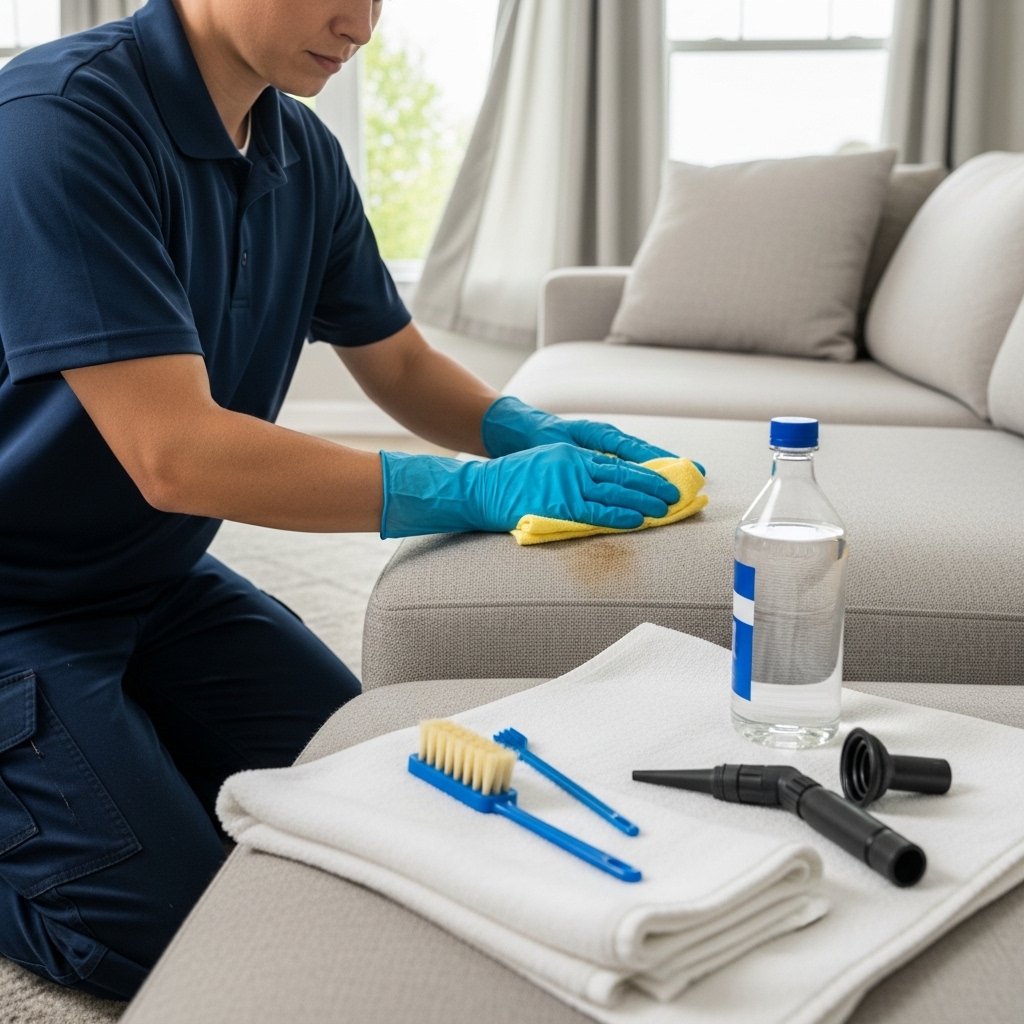
Pro-Level Upholstery Care for Tampa Homes
Expert upholstery care is not about complicated gadgets or harsh chemicals; it is about using the right method at the right time for your fabric and climate. In Naperville, Florida, weather can swing from humid summers to salty, slushy winters. That means soil, moisture, and allergens all take turns testing your furniture. This guide gathers field-tested strategies, common pitfalls, and pro insights so you can keep sofas, sectionals, armchairs, dining seats, and ottomans in top condition. If you are considering periodic professional support, placing an early marker for trusted upholstery cleaning on your calendar can keep maintenance predictable and results consistent.
Working like a pro begins with understanding your fabric, choosing compatible products, and committing to a routine that fits your household. You will find a mix of techniques below—from quick wins for everyday messes to advanced tactics for tricky stains—that align with the realities of a busy Tampa lifestyle. The goal is to preserve color, texture, and structure while minimizing risks like overwetting, dye bleed, and ring formation.
Reading the Fabric Like a Technician
Every expert starts by identifying the fiber type, weave, and cleaning code. You will see codes such as W, S, WS, or X. This shorthand drives every decision that follows. For example, microfibers and performance polyesters are generally resilient, while natural fibers like linen and cotton blends are absorbent and prone to watermarking. Heavier weaves may camouflage crumbs but also hide soil deep between threads. If your furniture sits near a sunny window, anticipate UV exposure and build in rotation and shade management to protect color integrity.
Texture also informs technique. Velvet and chenille benefit from gentle grooming to avoid matting; flat weaves appreciate straight-line strokes to keep the pattern even. An expert tests cleaners in hidden spots and evaluates results only after the area is fully dry. Patience saves showpieces.
Expert Toolkit Essentials
- High-suction vacuum with soft upholstery brush and crevice tool
- White microfiber cloths and terry towels for controlled blotting
- Soft-bristle upholstery brush and a small detailing brush for piping and seams
- pH-neutral, residue-minimizing cleaner for W/WS fabrics
- Solvent spotter for S-coded materials, used with strong ventilation
- Isopropyl alcohol for select inks and microfiber spot work
- Club soda and baking soda for quick tannin and odor interventions
- Enzyme cleaner for pet-related accidents compatible with WS codes
- Portable fans to accelerate even drying and fight humidity
Keep products clearly labeled, and avoid scented additives that can cling to fabric. A neutral finish showcases the textile rather than the cleaner.
Pro Routine: The Dry Soil Rule
Professionals remove the maximum amount of dry soil before introducing moisture. This single principle prevents 80 percent of problems. Vacuum upholstery slowly with overlapping strokes, angling the tool so bristles lift debris at the base of fibers. Use the crevice tool for seams and edges, and lift cushions to reach crumb-prone areas. If pet hair resists, lightly dampen a cloth to gather it, then vacuum again. Dry soil removal reduces the chances of muddy wicking and improves the success of any subsequent cleaning.
Minimal-Moisture Cleaning for W/WS Fabrics
Residue attracts soil. Expert cleaners aim for enough solution to release grime, followed by careful rinsing and fast drying. Foam-based cleaners work well because they limit liquid load. Apply sparingly to a cloth or brush rather than spraying directly onto the fabric. Agitate lightly in small circles and follow with blotting towels that you replace as they become soiled. A final mist of plain water on a cloth can lift leftover product. Position fans for cross-ventilation and leave cushions propped slightly open to allow trapped moisture to escape.
Solvent-Safe Techniques
When an S code is present, ventilation and precision are nonnegotiable. Apply solvent to the cloth, not the fabric, and work in small, controlled sections. Experts pause between passes to let the solvent evaporate fully, mitigating ring formation. They also keep ignition sources away and wear gloves. In winter, plan this work on milder days or in well-ventilated rooms to maintain safety and comfort.
Expert Stain Protocols
- Fresh spills: Blot immediately with a white towel. Avoid colored cloths to prevent dye transfer.
- Tannins (coffee, tea, wine): Club soda helps, followed by a neutral cleaner for persistent marks. Work from the outside inward.
- Oils and lotions: Use baking soda to absorb oils, vacuum, then spot clean with a minimal amount of product on your cloth.
- Ink: Dab, do not drag, with isopropyl alcohol on compatible fabrics. Test twice—before and after drying—to confirm stability.
- Pet accidents: Enzyme cleaners need dwell time to break down odor compounds. Blot thoroughly and dry quickly to discourage repeat incidents.
- Winter salt: Dissolve with a lightly damp cloth on W/WS fabrics, then follow with gentle cleaning and fast drying.
Experts always end with a balanced dry: enough airflow to remove moisture quickly without blasting fibers out of alignment. This step is especially important in humid Tampa summers.
Deodorizing That Actually Works
Odor management is a science of source removal and air exchange. Baking soda lifts light smells and is vacuumed away after a short dwell. For organic odors from pets or spills, enzyme formulas digest the molecules, but only if they remain in contact long enough. Overfragrancing does not solve the problem; it simply masks it. After cleaning, run fans and, if possible, open windows to invite fresh air. In winter, a shorter, controlled ventilation burst still helps.
Managing Sunlight, Humidity, and Traffic
Sunlight fades dyes over time. Move furniture seasonally or rotate cushions so the same panel is not always exposed. Sheer curtains cut UV without darkening a room. Humidity slows drying and encourages musty odors; in July and August, schedule cleanings when you can pair fans with air conditioning. High-traffic homes benefit from washable throws on favorite perches and from no-shoes policies on carpeted areas that shed grit onto upholstery.
Professional vs. DIY: A Balanced Look
DIY methods win for speed, cost control on routine maintenance, and immediate spill response. Pros excel at complex fabrics, intensive odor situations, and pieces with widespread soil. Many Tampa families choose a hybrid plan: weekly vacuuming and spot care at home, plus scheduled professional upholstery cleaning to reset the baseline once or twice per year. This rhythm keeps fabrics looking their best and reduces the effort required day to day.
Seasonal Expert Checklist
- Spring: Increase vacuuming to manage pollen; wash throws and pillow covers; review sun exposure as days lengthen.
- Summer: Use minimal moisture and faster drying; groom nap fabrics after gatherings to prevent matting.
- Autumn: Address leaf debris and early heating dust; deodorize after holiday cooking.
- Winter: Control salt transfer, avoid overwetting in closed-window conditions, and rotate furniture away from direct heat sources.
Advanced Troubleshooting
Rings after spot cleaning signal uneven moisture movement and residue. Expand your cleaning zone beyond the small spot and work edge-to-edge on a cushion panel, followed by disciplined drying. Dull, gray tones usually indicate embedded soil or residue; a thorough pre-vacuum and more effective rinsing restore clarity. Persistent pet odors often hide in foam; reaching them may require deeper extraction methods that limit water and maximize recovery. When in doubt, document your test results and stop before causing permanent change.
Protective Measures Experts Recommend
- Use arm covers or washable throws in high-contact zones.
- Place side tables within easy reach to keep beverages off cushions.
- Brush nap fabrics gently after use to maintain texture uniformity.
- Train pets to use designated blankets that can be laundered frequently.
- Stage a spill kit where family members can find it quickly.
Frequently Asked Questions
Q: How often should an expert-level routine be applied? A: Vacuum weekly, spot clean as needed, and plan a comprehensive refresh once or twice a year depending on use and fabric type.
Q: Can I treat all stains the same way? A: No. Match the method to the stain class—tannins, oils, dyes, protein—and to the cleaning code of your fabric. Always test first.
Q: Is steam safe for microfiber? A: Steam can work on some microfibers but risks watermarking and texture change if overused. Minimal moisture methods with careful drying are usually safer.
Q: How do I avoid water rings? A: Pre-vacuum thoroughly, limit moisture, clean a larger area rather than a pinpoint, and dry quickly with fans.
Q: What about delicate or heirloom fabrics? A: Seek an assessment before attempting DIY. Older dyes and fibers can react unpredictably, making professional guidance wise.
Q: My sofa looks clean but smells stale. Why? A: Odors can live in foam. Use enzyme cleaners on suitable fabrics and prioritize brisk, even drying. Increase ventilation after cooking or entertaining.
Q: Are solvent cleaners safe indoors? A: With ventilation, careful application to cloths, and adherence to label directions, they can be used safely. Avoid open flames and store properly.
Make Your Furniture Guest-Ready, Any Season
Whether you are preparing for backyard barbecues or cozy winter gatherings, the right approach keeps your furniture inviting. For a reliable reset and long-lasting results, schedule seasonal upholstery cleaning and enjoy fresher fabrics, richer colors, and a more comfortable home.