
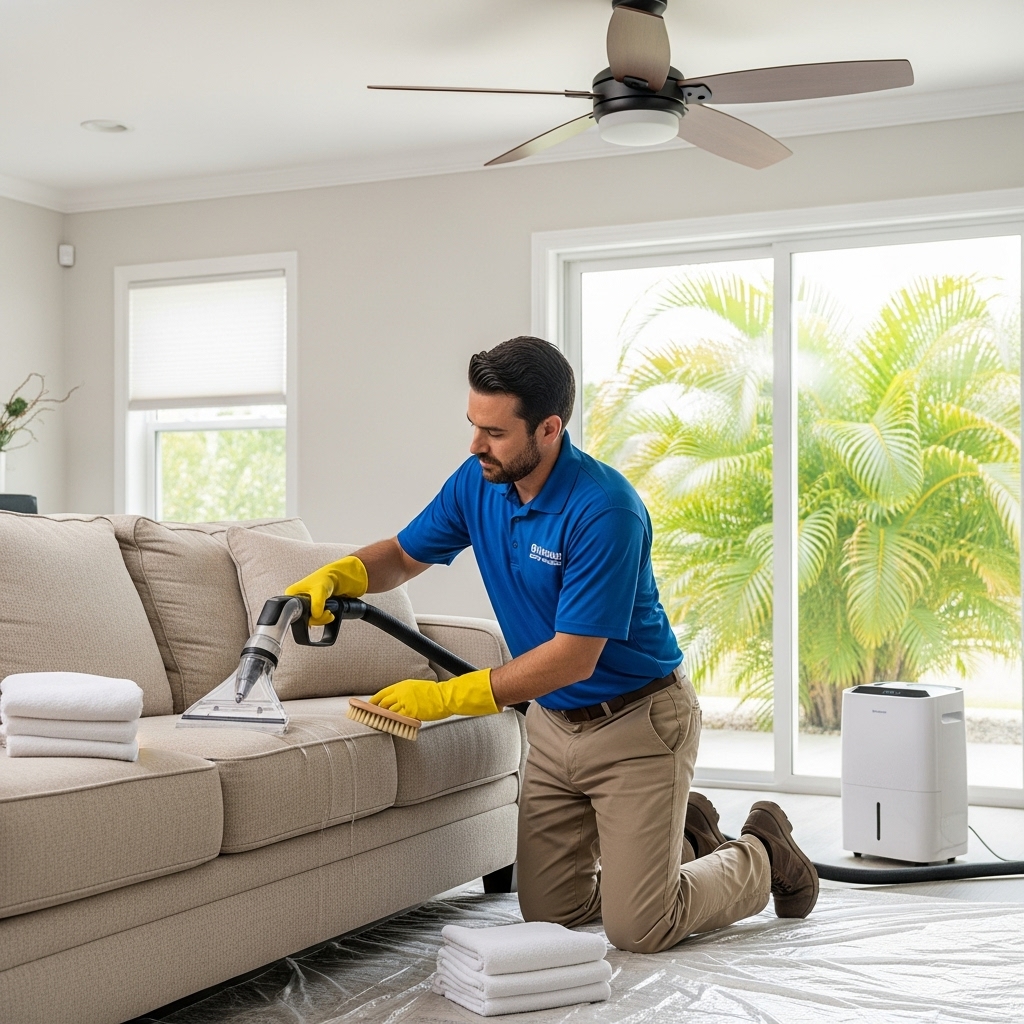
If you want furniture that looks, smells, and feels like new, learning how to handle upholstery cleaning like a pro is a game-changer—especially in a coastal city like Tampa, Florida, where heat, humidity, and daily life can be tough on fabrics. Whether you are caring for a well-loved sofa, a set of dining chairs, or a favorite recliner, mastering a systematic approach will help you protect your investment and keep your home or office healthy. In this guide, you will discover the steps, tools, and mindset professionals use to deliver consistent results. You will also learn Tampa-specific considerations such as moisture control and seasonal maintenance. If you would rather focus on your day while an expert handles the work, you can always explore professional upholstery cleaning to complement your own routine.
Upholstery is not one-size-fits-all. The cleaning process depends on the fabric type, construction, and the kind of soil present. The secret is to combine accurate identification, the right chemistry, careful mechanical action, and controlled drying. When you manage these four pillars well, you get results that rival what pros achieve on the job every day. The sections below will help you plan, prepare, and perform like a seasoned technician, with extra tips for Tampa households and businesses.
Understanding Tampa’s Climate and Its Impact on Upholstery
Tampa’s warm, humid climate is wonderful for outdoor living, but it also poses challenges for fabrics. Moist air can slow drying, encourage mildew, and intensify odors. Pollen and coastal particulates may track inside, settling deep into fibers. Air conditioning helps, but it can also recirculate fine dust if filters are not changed on schedule. Pet activity and frequent entertaining amplify these factors. Cleaning like a pro in Tampa means thinking beyond spot-cleaning. You will need a plan for soil prevention, moisture control, and fast, thorough drying after every rinse step.
Pro cleaners in humid regions prioritize ventilation and dehumidification. They open air pathways, run HVAC fans, and, when necessary, add portable air movers to speed evaporation. They also focus on low-moisture cleaning methods for delicate or slow-drying fabrics, combining specialty detergents with precise agitation to lift soil without overwetting. You can take a similar approach at home to reduce risks and produce better outcomes.
How to Read Fabric Codes and Identify Materials
The right method starts with the right identification. Check your furniture’s tags for cleaning codes, which typically include W, S, W/S, and X. These codes are guidelines, not ironclad rules, but they are extremely useful for choosing safe chemistry.
- W: Water-based cleaners are generally safe. You can use gentle, neutral pH solutions and rinse with water.
- S: Solvent-based or water-free cleaning is recommended. These fabrics may ring, browning, or shrink if they are overwet.
- W/S: Either water-based or solvent-based methods may be suitable, but test carefully.
- X: Vacuum only. Professional assessment is best because typical home cleaning can damage the fabric.
Beyond codes, learn to recognize common fibers. Polyester blends are durable and usually respond well to mild detergents. Cotton can clean beautifully but is prone to water marks and requires careful drying. Linen is gorgeous yet sensitive to agitation and moisture. Viscose and rayon look luxurious but flatten and brown easily; they require very gentle, low-moisture approaches. Microfiber, popular in Tampa homes with kids and pets, releases soil with consistent brushing and a light rinse. Leather, while not a fabric, also needs tailored care—clean, condition, and protect with products made for the leather type.
Pro-Level Tools and Supplies for Tampa Homes
You can clean at a high level without filling your garage with equipment. Gather a streamlined kit that supports careful work and fast drying.
- Vacuum with strong suction and proper upholstery attachments. A crevice tool and soft brush help reach seams and edges.
- White cotton towels or microfiber cloths for blotting and checking soil transfer.
- Soft upholstery brush to loosen dry soils and groom fibers.
- Spray bottles labeled for prespray, rinse, and spot treatments.
- pH-neutral upholstery detergent for routine cleaning.
- Enzyme or oxygen-based spotter for food and pet accidents, if compatible with the fabric.
- Solvent-based spot cleaner for S-code fabrics, used sparingly and always tested.
- Portable extractor or low-moisture hand tool for controlled rinsing.
- Air mover or fan to speed drying, plus your home’s HVAC fan set to circulate air.
- Protective gear: gloves, eye protection, and a mask when dealing with heavy dust.
Because Tampa’s humidity can slow evaporation, prioritize low-moisture tools and keep an air mover ready. Always pretest products in a hidden spot to check for colorfastness, texture change, or browning.
Professional Workflow: From Inspection to Drying
Pros follow a repeatable sequence because consistency yields predictable results. Adopting the same workflow will help you avoid missed steps and prevent rework.
- Inspect and pretest: Identify fabric, note stains, check cushion construction, zip-off covers, and test cleaning chemistry on an inconspicuous area.
- Dry soil removal: Vacuum meticulously. Most soil is dry and removable before any moisture touches the fabric. Brush seams and tufting to lift dust.
- Prespray: Apply a light, even mist of your selected upholstery detergent. Focus on high-contact zones like arms, headrests, and cushion fronts.
- Dwell time: Give solutions a few minutes to break down oils and soils without drying on the fabric.
- Agitation: Use a soft brush or towel to work solutions into the fibers, following the nap.
- Rinse and extract: Use minimal water, overlapping strokes to remove soil and residues. For S-code fabrics, substitute appropriate solvent or use a very low-moisture method.
- Spot treatment: After the main rinse, treat remaining spots precisely, then blot.
- Grooming: Lift the nap with a brush to prevent matting and accelerate dry uniformity.
- Drying: Aim fans to move air across the surface. Run HVAC fans and, if possible, a dehumidifier to reduce indoor humidity.
- Final inspection: Check for wicking, rings, or uneven appearance. Address immediately, before the fabric fully dries.
Mastering this method ensures you are not simply pushing soil around. Instead, you are suspending and removing it, leaving fibers cleaner, softer, and more resilient.
Spot and Stain Tactics Used by Pros
Stains respond best to targeted chemistry and patience. The wrong product or rushed approach can set a stain permanently. Keep these principles in mind:
- Blot, do not scrub. Aggressive rubbing can distort fibers and push residues deeper.
- Work from the outside of a spot inward to avoid spreading.
- Use cool water first on protein-based stains such as blood or dairy. Heat can set them.
- For oily soils, a mild alkaline cleaner or solvent spotter may be appropriate, depending on fabric code.
- Tannin stains from coffee, tea, or wine may respond to specialized tannin removers. Always pretest.
- Pet accidents benefit from enzyme-based products that break down odor-causing proteins. Follow label directions for dwell time.
If a stain resists, step back and reassess. Sometimes a second light application with longer dwell and gentle agitation will succeed where force would fail. For sensitive fibers like rayon, reduce moisture and agitation, and rely on absorbent blotting with clean towels.
Managing Moisture and Odors in Tampa
Moisture control is the difference between a great result and a disappointing one in humid climates. Keep windows closed when the outside air is sticky, and let your AC manage humidity. Position fans to move air along, not directly into, the upholstery; this encourages even evaporation and avoids rippling. If you detect musty odors, the source is often slow drying or a pre-existing spill in the cushion core. Unzip removable covers if allowed, and treat the insert with a compatible method, ensuring it dries quickly.
For everyday freshness, vacuum regularly, rotate cushions, and expose pieces to indirect sunlight occasionally to help reduce odors. Avoid heavy fragrances that cover but do not remove smells; instead, focus on contamination removal, thorough rinsing, and complete drying.
Deep Cleaning a Sofa: A Tampa-Focused Example
Imagine a microfiber sectional in a busy South Tampa living room where kids, pets, and beach trips converge. Here is how a pro-level deep clean might unfold:
- Prepare the area by moving side tables and protecting nearby rugs.
- Vacuum carefully, lifting cushions and using the crevice tool for seams.
- Apply a light prespray to high-use zones, with special attention to oily headrests and arms.
- Allow dwell time while you set up your rinse tool and fans.
- Agitate with a soft brush, following the fabric’s natural lay to avoid streaking.
- Rinse with minimal water, using overlapping extraction passes until recovery water runs clearer.
- Address any remaining stains one by one, then blot thoroughly.
- Groom the nap, position fans, and run the HVAC fan for 30 to 60 minutes.
- Return the room to order, keeping pets off until fully dry.
Halfway through a project like this, many homeowners recognize why pros rely on proven systems and consistent technique. If you prefer help with a large project or a delicate fabric, mid-project is a great time to schedule professional upholstery cleaning so you can maintain momentum and avoid missteps.
Protecting Upholstery Between Cleanings
Maintaining a clean appearance is easier than rescuing a heavily soiled piece. Adopt simple habits to extend the life of your furniture.
- Vacuum weekly in busy households and biweekly in quieter spaces.
- Rotate and flip cushions monthly to distribute wear.
- Use washable throws on high-use arms and headrests to absorb body oils.
- Address spills immediately with blotting, not scrubbing.
- Consider a fabric protector appropriate for the material after deep cleaning. Always test first.
- Control indoor humidity and change HVAC filters regularly to reduce airborne soil.
These small investments of time pay off in freshness, resilience, and appearance, particularly in Tampa’s active, beach-friendly lifestyle where sand and salt can find their way indoors.
Common Mistakes to Avoid
Even diligent cleaners fall into traps that create extra work. Steer clear of these common errors:
- Overwetting, which can cause browning, shrinkage, or wicking of deeper soils.
- Skipping the vacuum step, which leaves grit to bond with cleaning solutions and form mud.
- Using the wrong chemistry for the fabric, especially on S-code or delicate fibers.
- Rushing drying in humid conditions and allowing pieces to stay damp too long.
- Testing on visible areas instead of hidden ones, leading to permanent marks.
- Ignoring cushion cores. If the insert is contaminated, odors will return quickly.
Think like a pro: test, measure, verify, and document your steps mentally so you can repeat what works and retire what does not.
Maintenance Schedule for Tampa Households
Set a cadence that fits your lifestyle. In a typical Tampa home with kids and pets, vacuum weekly, spot-clean as needed, and deep clean every four to six months. For light-use rooms, a deep clean every eight to twelve months may suffice. Always plan major cleaning projects on days with lower humidity, or run dehumidification to ensure a fast, safe dry time.
Frequently Asked Questions
How often should I deep clean my sofa in Tampa? In active households, aim for two to three deep cleans per year. In low-traffic spaces, once per year may be adequate, supported by regular vacuuming and immediate spill response.
Can I use steam on all upholstery? No. The term “steam cleaning” is often used loosely, but true steam or high-heat methods can damage certain fibers and finishes. Always check the fabric code and test with a low-moisture approach first.
What if my furniture has removable covers? If the tag allows machine washing, close zippers and wash on gentle with a mild detergent. Air dry flat to prevent shrinkage. Many covers are not designed for laundry, so verify before you proceed.
How do I tackle pet odors? Remove contamination at its source, including cushion inserts if affected. Use enzyme-based treatments with proper dwell time, then rinse and dry completely. Avoid simply masking odors with fragrance.
Why do water rings appear after spot cleaning? Rings occur when moisture dissolves soil and then dries unevenly, leaving a visible outline. Prevent this by cleaning a broader area lightly, blending your work, and ensuring fast, uniform drying with fans.
Is fabric protector worth it? For many families, yes. It helps spills bead up and gives you extra time to blot. Test first and reapply after professional cleaning as recommended by the product.
Ready to Refresh Your Upholstery?
If your Tampa home is due for a reset, now is the perfect time to put these pro methods into practice. Tackle one piece at a time, follow the workflow, and control moisture for beautiful, long-lasting results. If you prefer an expert touch or face a delicate fabric, schedule professional upholstery cleaning and enjoy a fresher, healthier home without the guesswork.