
Introduction: Why a Step-by-Step Plan Matters in Tampa
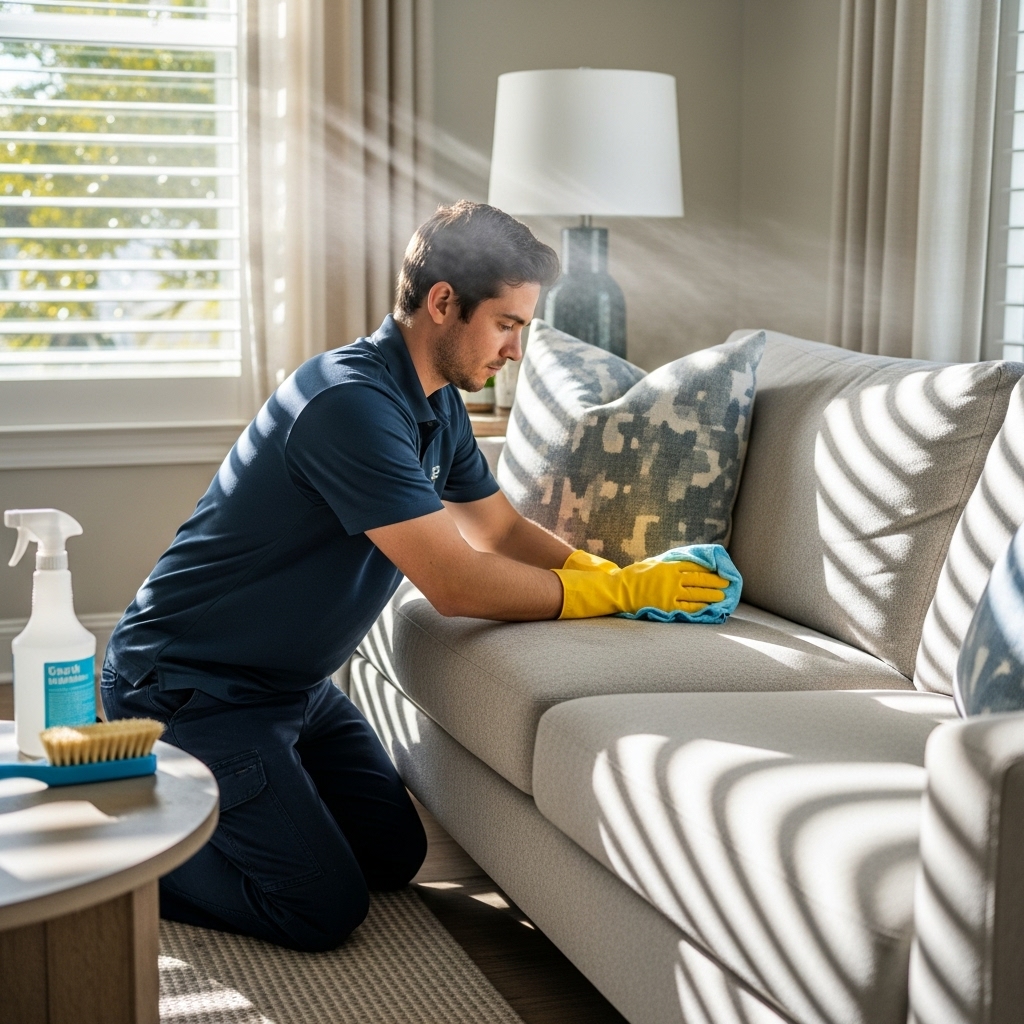
Cleaning a sofa in Tampa, Florida is about more than making fabric look nice for guests. Heat, humidity, beach days, and thunderstorms influence how stains behave and how long moisture sticks around inside cushions. Following a clear, step-by-step process prevents over-wetting, ring marks, and lingering odors. This guide walks you through preparation, soil removal, spot treatment, overall cleaning, and drying—plus special notes for Tampa-specific challenges like sunscreen, sand, and salty air. If you would rather skip trial and error, professional upholstery cleaning can deliver a safe, thorough reset while you focus on your day.
Before starting, check the fabric tag and do a spot test on a hidden area. Plan enough time to dry everything completely. In Tampa’s climate, drying is half the job, and careful airflow is the secret to success.
Step 1: Identify Your Fabric and Set Up the Space
Find the cleaning code: W, S, W/S, or X. Water-based cleaning is acceptable on W, sometimes on W/S; S requires solvent-only methods; X means vacuum-only and professional assistance for stains. Move the sofa slightly away from walls to promote airflow and protect paint or trim. Lay clean towels beneath areas you will treat to catch drips and prevent moisture from wicking into the deck or cushions.
Open interior doors, run the AC, and position a small, low-heat fan nearby. If you own a dehumidifier, set it up in the room. Tampa’s humidity makes this preparation essential; it turns a long drying day into a manageable afternoon.
Step 2: Dry Soil Removal
Vacuum the sofa thoroughly using a soft brush attachment. Go over arms, backs, cushion tops and sides, and especially seams and piping where grit collects. If pet hair clings, use a slightly damp microfiber towel to gather it, then vacuum again. This step prevents soil from smearing into the weave once moisture is introduced.
Step 3: Spot Test and Plan
Moisten a white microfiber towel with your chosen cleaner or with distilled water and dab in a hidden zone. Check for color transfer or excessive darkening. If the test fails, pause and consider a different approach or professional help. If it passes, decide which spots need targeted treatment and which panels require overall cleaning.
Step 4: Treat Stains Strategically
For water-safe fabrics, mix a few drops of dye-free dish soap in warm distilled water. Apply the solution to a towel, not directly to the fabric, and dab stains from the outer edge inward. Follow with a second towel dampened with plain distilled water to remove soap residue, then blot dry. For S-coded textiles, use a dry solvent cleaner on a cloth in a ventilated area, then brush the nap after it dries to restore texture.
Common Tampa stains include sunscreen, sweat, iced tea, and the occasional red wine. For sunscreen and body oils, pre-blot with the mild soap solution and wipe with distilled water. For beverages, blot first, then dab, resisting the urge to scrub. For greasy snack marks, treat with minimal soap and plenty of blotting pressure, finishing with a rinse pass on water-safe fabrics.
Step 5: Overall Cleaning for Water-Safe Sofas
On W or W/S sofas, complete a gentle overall clean to blend treated areas and restore uniform appearance. Work one panel at a time with a barely damp towel and mild solution, then follow with a “rinse” towel. Keep moisture low to avoid deep saturation. If you own a portable upholstery machine, use a neutral pH solution, light passes, and thorough extraction.
Step 6: Manage Moisture and Drying
Drying determines whether your sofa looks and smells fresh the next day. Stand removable cushions on edge to expose all sides. Keep air moving with your fan, open interior doors, and maintain AC circulation. If you have a dehumidifier, run it for a few hours. Avoid blasting high heat directly at the fabric; gentle airflow works best, especially in Tampa’s climate.
Step 7: Refresh Cushion Cores
If odors linger after cleaning, the cushion cores may hold moisture or residue. On a dry, breezy day, set foam or batting cores in indirect sun for an hour to refresh, then return them indoors to avoid dye fading. Always ensure covers and cores are fully dry before reassembly to prevent musty smells later.
Step 8: Grooming and Finishing Touches
After everything is dry, brush the nap with a soft brush to lift flattened fibers and blend any lines from cleaning passes. Fluff pillows and redistribute fill. Rotate cushions so wear remains even and the sofa keeps its shape longer.
Special Situations: Leather and Faux Leather
For leather, dust weekly, blot spills quickly, and condition periodically per manufacturer guidance. Avoid aggressive scrubbing or excessive water. For faux leather, wipe with a barely damp microfiber towel and dry immediately. Both materials benefit from protection from direct sun to prevent fading and drying out near windows.
Tampa Climate Tips
High humidity demands patience. Plan cleaning early in the day so pieces dry before evening. After storms, your indoor humidity may rise temporarily; offset this with AC and fans. During peak summer, consider more frequent light cleanings rather than occasional heavy ones to reduce moisture exposure each time.
Preventive Care for Long-Term Results
Protect arms and headrests with washable covers during beach season. Encourage quick spill responses and make supplies easy to grab. Vacuum weekly, even if the sofa looks clean, to remove abrasive grit and allergens. Reapply fabric protector on compatible materials after deep cleanings to resist future stains.
When to Bring in Professionals
Choose professional help for solvent-only fabrics with broad soil, antique sofas, recurring odors that return after drying, or large sectionals that demand more time than you have. Trained technicians finely control moisture, temperature, and chemistry, achieving thorough results while protecting color and texture. For convenience and peace of mind, consider scheduling trusted professional upholstery cleaning when you want a guaranteed fresh start.
Troubleshooting Guide
Water rings: Lightly re-dampen the entire panel with distilled water on a cloth, blend edges, then dry with steady airflow. Stiff feel: Wipe again with a clean, damp towel to remove residue, then dry. Pilling: After complete drying, use a fabric shaver carefully. Shadow stains: Allow full dry, reassess under natural light, and repeat gentle treatment rather than escalating to harsh chemicals.
Frequently Asked Questions
Q: How often should I deep clean a Tampa sofa? A: For busy families, plan a deeper refresh two to three times per year and lighter maintenance monthly. Increase frequency during summer when sunscreen and sweat are common.
Q: Is steam safe for my sofa? A: Not for all fabrics. High heat and moisture can distort certain weaves and cause dye issues. Always check the tag and spot test before using steam.
Q: How long should drying take? A: With AC, a fan, and good airflow, most water-safe sofas feel dry within several hours, but interiors may take longer. Do not reassemble or sit until everything is fully dry.
Q: What if odors return the next day? A: Moisture may remain in the cushion core. Increase airflow, stand cushions on edge, and, if possible, expose cores briefly to indirect sun before reassembling.
Q: Can I clean a solvent-only sofa myself? A: You can spot treat small areas with dry solvent on a cloth in a ventilated space, but for larger cleaning, professional service is safer.
Enjoy a Fresher, Softer Sofa
A systematic approach turns sofa care from an occasional scramble into a reliable routine—important in Tampa’s humid climate. If you are preparing for guests, tackling stubborn stains, or want an efficient, guaranteed result, book dependable upholstery cleaning with a local team. Relax into cleaner cushions, brighter fabric, and a living room that looks and feels ready for anything.