
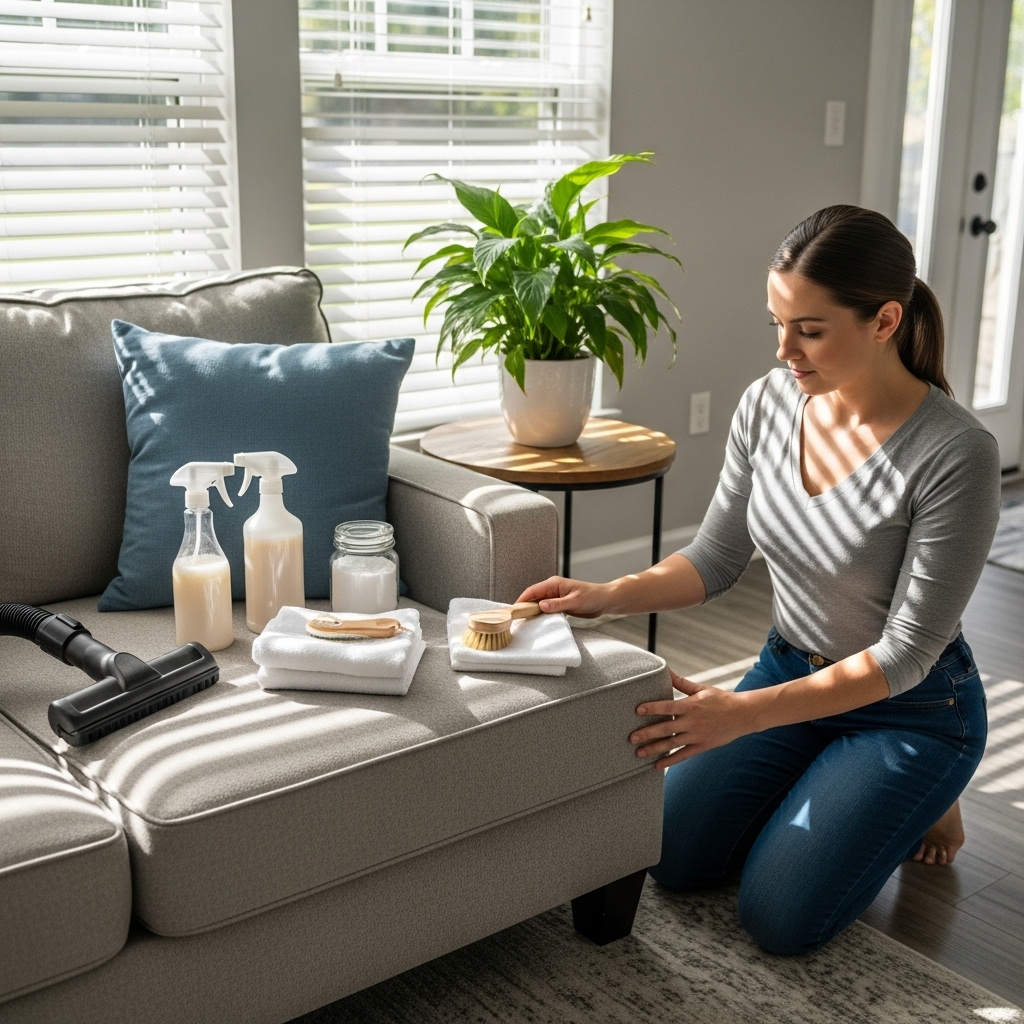
Welcome to Your Local Upholstery Cleaning Guide
Tampa homes see it all: lake-effect humidity, snowy winters, spring pollen bursts, and long, sunny summers that beckon family and friends to gather on well-loved sofas and chairs. Those seasonal shifts create a unique environment for furniture fabrics. The right approach to care can extend the life of your couches, recliners, dining chairs, and ottomans while keeping indoor air fresher. This comprehensive guide walks you through everything you need to know about regular maintenance, stain response, deep cleaning, fabric safety, and seasonal strategies tailored to Naperville, Florida households. Whether you prefer DIY routines or plan to schedule periodic professional upholstery cleaning, the steps below will help your furniture look and feel its best year-round.
Beyond appearances, clean upholstery supports a healthier home. Fabric acts like a filter that traps dust, pet dander, pollen, and crumbs. Leave those particles in place, and they work their way deeper into cushions, dull colors, and feed odors. Clean them consistently, and your living room becomes a more welcoming space where colors pop and textures stay plush. In Naperville’s family-forward neighborhoods—from charming older homes to new builds—well-kept furniture also protects your investment and keeps living spaces inviting.
This guide provides practical checklists, stain-removal playbooks, and troubleshooting tips you can apply immediately. You’ll learn how to read fabric tags, which tools to keep on hand, and what to do when an accident happens. You’ll also find advice on drying times during humid summers, preventing salt stains after winter commutes, and creating a maintenance calendar that actually works for busy schedules.
Know Your Fabrics and Cleaning Codes
Before you reach for any cleaner, identify the fabric and its approved care method. Most upholstered pieces include a manufacturer tag—often under the seat cushion or along the frame—with a letter that indicates the safest approach.
- W: Water-based cleaning allowed. Use water-based foam or solutions.
- S: Solvent cleaning only. Avoid water; use a specialized solvent-based cleaner.
- WS or SW: Either water-based or solvent-based products are approved; test first.
- X: Vacuum or light brushing only. Professional care recommended for stains.
Common upholstery fibers include polyester, cotton, linen, wool blends, microfiber, acrylic, nylon, and performance fabrics with stain-resistant coatings. Natural fibers like cotton and linen may wrinkle and absorb more quickly, so faster blotting is essential. Microfiber is generally forgiving and responds well to gentle agitation. Wool blends need cooler water and conservative drying to prevent distortion. If you live near the DuPage River and keep windows open in spring, be mindful that airborne pollen can collect more quickly on textured fabrics such as chenille or tweed.
When in doubt, test in a low-visibility spot. Apply a small amount of cleaner, blot, and check for bleeding, ring formation, or texture change after the area dries completely. Patience at this stage prevents irreversible marks on the cushions you see every day.
Tools and Supplies to Keep on Hand
Create a simple kit so you are always ready to respond within minutes of a spill. Speed matters for stains and odors, and a basic set of tools covers most needs.
- Vacuum with upholstery and crevice tools
- Soft, white microfiber cloths and absorbent terry towels
- Soft-bristle upholstery brush and a dedicated toothbrush for seams
- Spray bottles for plain water and for diluted cleaner
- pH-neutral, fabric-safe cleaner for W or WS codes
- Solvent-based cleaner for S codes (follow safety directions)
- Isopropyl alcohol (for microfiber spot cleaning and some inks)
- Plain club soda for fresh tannin spills like tea and coffee
- Enzyme-based cleaner for pet-related accidents (WS fabrics)
- Baking soda for odor absorption and gentle deodorizing
- Fans to accelerate safe drying, especially during humid months
Store supplies together and label spray bottles clearly. Keeping white towels prevents dye transfer onto damp fabric, a common mistake that leaves unexpected color patches behind.
Routine Maintenance That Protects Your Investment
A little weekly and monthly attention delivers outsized results. Dust, grit, and crumbs act like sandpaper at a microscopic level. Remove them regularly and you slow down wear patterns on armrests, cushions, and high-contact areas.
- Vacuum weekly: Use the upholstery tool to lift debris without abrading fibers. Run the crevice tool along welted seams, button tufts, and under cushions.
- Rotate and flip cushions monthly: Even out compression and sun exposure to avoid uneven fading and sagging.
- Groom nap fabrics: For velvet, chenille, and microfiber, use a soft brush to realign fibers and restore a uniform look.
- Address lint and pet hair: A slightly dampened microfiber cloth or a rubber glove can gather stubborn hair before vacuuming.
- Sunlight management: Close blinds during peak afternoon sun to reduce UV fading, especially on south-facing windows common in Naperville’s open-plan layouts.
These small habits extend the time between deep cleanings. If you have kids, a golden retriever, or frequent guests, consider doubling down on vacuuming and cushion rotation.
Step-by-Step Deep Cleaning for Water-Safe Fabrics
For W or WS fabrics, periodic deep cleaning refreshes color, removes embedded soil, and neutralizes odors. Always vacuum thoroughly first; wetting soil causes muddy wicking and rings.
- Pre-vacuum: Remove dry debris from every surface and under cushions.
- Pre-test: Check your diluted cleaner in an inconspicuous area.
- Light pre-spray: Mist the fabric with a pH-neutral solution. Avoid overwetting; upholstery foam is better than saturating liquid on many pieces.
- Agitate gently: Use a soft brush in small circles, paying attention to arms and front edges where hands and legs contact the fabric.
- Blot extraction: Press clean, white towels to lift soil. Replace towels as they become soiled.
- Rinse lightly: If using water-based cleaners, a separate mist of clean water followed by blotting can reduce residue that attracts new soil.
- Speed-dry: Position fans for cross-ventilation. In the summer, air conditioning helps reduce humidity so cushions dry evenly without musty odors.
When cleaning removable cushion covers, check the tag and manufacturer guidance. Some covers can be laundered on gentle cycles; many cannot. Shrinkage, zipper stress, and color loss are real risks for natural fibers and older fabrics. If you are unsure, keep covers on the cushions during cleaning to preserve fit.
Smart Strategies for Solvent-Only Fabrics
S-coded materials require solvent-based products and careful ventilation. Open windows when weather permits, keep fans running, and wear gloves. Apply a small amount of solvent to a clean cloth rather than directly onto the furniture. Work on one small area at a time and blot, do not rub. Allow complete evaporation between passes to prevent rings. Because winter limits ventilation in Naperville, many homeowners prefer to handle S-coded upholstery during milder months or delegate these fabrics to experienced technicians.
Stain Removal Playbook
Time is your ally. Blot immediately with a clean, absorbent cloth and choose the correct tactic based on the spill type and fabric code.
- Coffee and tea: Blot, then apply a small amount of club soda on W or WS fabrics. Blot again, repeating until the discoloration fades. For persistent tannins, use a fabric-safe cleaner and rinse lightly.
- Red wine: Blot gently; avoid rubbing. Club soda can help. For older stains, a pH-neutral cleaner followed by thorough blotting reduces residual pink tones. Always test first.
- Grease and body oil: Sprinkle baking soda to absorb oils, wait 15 minutes, vacuum, then apply a small amount of cleaner to a cloth and blot. Repeat as needed.
- Ink: On microfiber and some synthetics, dab isopropyl alcohol onto a cloth and touch the ink lightly. Work from the outside inward to avoid spreading. Test carefully—some dyes may shift.
- Pet accidents: Remove solids, blot liquids, and apply an enzyme cleaner approved for your fabric. Allow dwell time so enzymes break down odor-causing compounds, then blot and dry thoroughly.
- Road salt transfer: After winter errands, salt can transfer from coats and bags to armrests. Lightly mist with clean water on W or WS fabrics, blot to dissolve the residue, then follow with a mild cleaner if a ring appears.
Always finish stain work by blotting with a clean, damp cloth to minimize residue, then dry quickly to prevent water marks.
Tampa Climate Considerations
Seasonality matters. In spring, pollen counts rise quickly, especially after rain. Vacuum more frequently and wash throws and pillow covers to reduce allergen load. In summer, humidity prolongs dry times, which can lead to musty odors and microbial growth if cushions stay damp for too long. Use air conditioning and fans during cleaning and avoid saturating foam. In autumn, falling leaves and frequent door traffic mean more grit on floors and furniture—place mats near entryways and brush off jackets before sitting. Winter adds dryness indoors but moisture and salt outdoors, making it important to shake off coats and scarves before settling in. Rotate furniture that gets direct sunlight to prevent one-sided fading when the low winter sun streams through windows.
Deodorizing and Odor Control
Odors cling to upholstery because porous fibers trap microscopic residues. Baking soda is a gentle, effective deodorizer for many fabrics. Sprinkle a light layer on dry cushions, let it sit for 30 to 60 minutes, and vacuum thoroughly. For pet odors, enzyme-based products designed for upholstery break down organic molecules rather than simply masking the smell. Increasing ventilation after cleaning accelerates odor dissipation—a helpful tactic after cooking aromatic meals or entertaining guests.
Middle-of-the-Year Tune-Up
Many homeowners in Tampa find that a midyear refresh keeps furniture looking photo-ready for summer gatherings and holiday hosting. Combine a thorough vacuuming with targeted spot work and a light overall cleaning for W or WS fabrics. If you notice multiple stubborn spots or lingering odors, it may be time to compare DIY effort with the convenience of professional upholstery cleaning. The right help can flush embedded soils safely and reset your maintenance routine so weekly care feels easy again.
Common Mistakes to Avoid
- Scrubbing aggressively: Friction distorts fibers and sets stains.
- Overwetting: Excess moisture causes rings and slow drying.
- Skipping the vacuum step: Wetting dry soil turns dust into mud.
- Using colored towels: Dye transfer is surprisingly common on damp fabric.
- Ignoring the test patch: Fabric changes may appear only after drying.
- Rushing drying: Trapped moisture invites odors and microbial growth.
Furniture Arrangement and Prevention
Strategic placement reduces wear and fading. Keep upholstered pieces a few inches away from heat vents to prevent overdrying and fiber brittleness. Use window treatments to limit UV exposure. Add washable throws to high-contact zones where kids read or pets nap. Place side tables within easy reach so drinks and snacks stay off the cushions. Small changes now help your next deep clean go faster.
Care Calendar for Tampa Homes
- Weekly: Vacuum, brush nap fabrics, spot clean spills immediately.
- Monthly: Rotate cushions, wash removable throws and pillow covers, inspect for small issues before they grow.
- Quarterly: Perform a light overall cleaning on W or WS fabrics, deodorize with baking soda, and check sun-exposed areas.
- Seasonally: In spring and fall, schedule a deeper refresh and evaluate whether any pieces need specialized attention.
Families with allergy sensitivities often add an extra vacuum session during peak pollen periods and after yard work. This protects both furniture and air quality.
Eco-Friendly Choices and Safety
Green cleaning aligns with many Tampa households’ values. Choose pH-neutral, biodegradable products that are free of heavy fragrances. Ventilate rooms during and after cleaning. When using solvents, follow label directions meticulously, keep products away from open flames, and store them out of children’s reach. For W and WS fabrics, foam-based products reduce moisture while providing controlled coverage. Always dispose of used towels responsibly, especially after solvent work.
When to Bring in a Professional
Call in help when fabric codes are restrictive, stains are widespread or old, odors persist, or the piece is valuable, delicate, or sentimental. Professionals have specialized tools that manage moisture with precision and can extract soils deeply without overwetting. They also understand fiber identification, dye stability, and safe drying. Many Tampa homeowners schedule a professional visit before holiday gatherings or after summer parties to reset their upholstery and simplify ongoing upkeep.
FAQ
Q: How often should I deep clean my sofa? A: For average use, once or twice per year is typical for W or WS fabrics, with weekly vacuuming and immediate spot care in between. Homes with pets, kids, or high entertaining tend to benefit from more frequent attention.
Q: Can I steam clean all upholstery? A: No. Some fabrics are sensitive to moisture and heat. Always refer to the cleaning code and test first. Steam can cause water rings and texture changes if misapplied.
Q: What should I do first after a spill? A: Blot immediately with a clean, white towel. Do not rub. Then select a method suited to the spill type and fabric code. Work in small areas and dry thoroughly.
Q: Why does a ring appear after cleaning a small spot? A: Rings form when soil and cleaner migrate to the edges of a damp area and dry there. Reduce by pre-vacuuming, minimal moisture, light rinsing, and drying the entire panel edge-to-edge when possible.
Q: Are enzyme cleaners safe for all fabrics? A: They are best for W or WS fabrics. Always test first and avoid using them on solvent-only materials unless specifically approved by the manufacturer.
Q: How do I handle odors that return after cleaning? A: Persistent odors may indicate residue deep in the foam. Repeat a controlled cleaning with faster drying or seek a professional extraction to reach inner layers.
Q: What about antique or heirloom pieces? A: These benefit from expert evaluation. Older dyes and delicate weaves demand gentler methods and careful drying. Avoid home experiments that could permanently change the fabric.
Bring Fresh Life to Your Tampa Upholstery
If you are ready to refresh your favorite sofa, reset a busy family room, or prepare for guests, take the next step with a trusted local resource. Schedule your seasonal upholstery cleaning and enjoy brighter colors, softer textures, and a healthier home environment all year long.