
Introduction: Practical Upholstery Care for Tampa Living
Life on Florida’s Gulf Coast is relaxed and sunny, but your furniture works hard in the background—catching sunscreen, pet hair, pollen, and coastal grit that find their way indoors. Whether you’re freshening up a beloved sectional or maintaining dining chairs between gatherings, the right tips can save time and protect your investment. This guide focuses on realistic, Tampa-smart habits that keep fabrics cleaner longer and help you respond to spills with confidence. If a piece is heavily soiled or you prefer to outsource the task, professional upholstery cleaning offers a safe, thorough alternative.
Below you’ll find maintenance routines, humidity-aware drying advice, stain tactics for everyday mishaps, and ways to reduce allergens. Use these tips as a quick-reference plan you can adapt to your home’s fabrics and lifestyle.
Tip 1: Start With Meticulous Dry Soil Removal
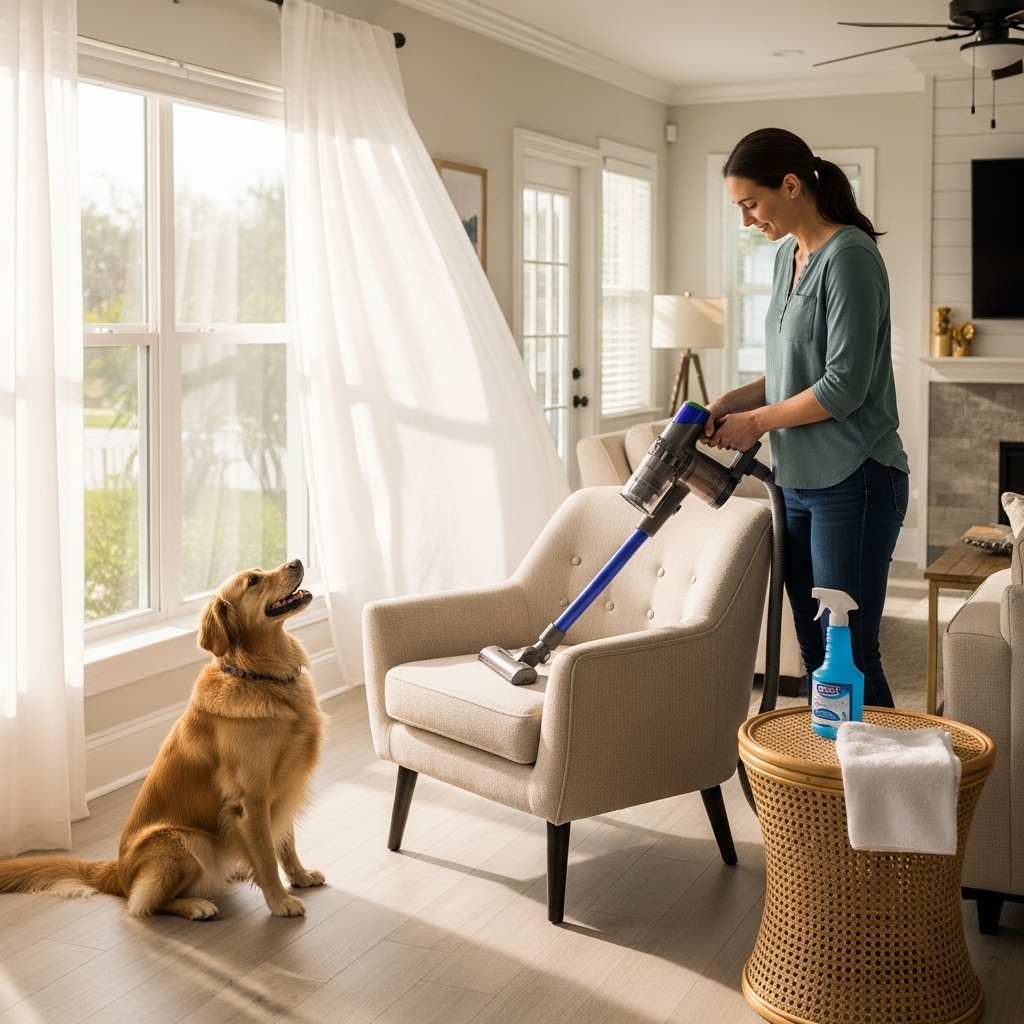
Vacuuming is the foundation. Use the upholstery tool on seats, backs, and arms, and the crevice tool along seams and tufting. Move slowly and overlap strokes. Tampa’s open-air living encourages airborne dust and pollen to settle on soft surfaces. Removing dry soil before any damp cleaning drastically reduces the chance of muddying and re-depositing soils. A weekly pass on high-use pieces prevents dulling and slows fiber wear caused by grit.
Tip 2: Learn the Fabric’s Language (Care Codes)
Check labels for “W,” “S,” “WS,” or “X.” Water-based cleaning works on many synthetics and “W/WS” blends, while “S” prefers approved solvent products. When in doubt, test first. Natural fibers can spot or distort more easily; minimal, even moisture is key. Understanding your fabric helps you choose the right cleaner, dwell time, and agitation level.
Tip 3: Tampa Humidity Demands Faster Drying
Plan to dry what you clean—quickly. Use ceiling fans, a box fan, or your air conditioning to keep air moving across damp areas. Stand cushions on edge to increase airflow. The faster you dry, the better your chances of avoiding water rings, browning, or lingering odors. After summer storms, indoor humidity can spike; run AC or a dehumidifier to bring it down before or during cleaning.
Tip 4: Build a Small, Reliable Cleaning Kit
Keep a vacuum with upholstery tools, white microfiber cloths, a soft brush, a spray bottle, a mild upholstery detergent, and spotters for common stains. Enzyme spotters work on protein-based accidents; mild solvents help with oily marks on “S” fabrics; oxygen-based spotters can brighten colorfast fibers. Gloves are handy for enzyme and solvent work. Having a go-to kit prevents rushed decisions when a spill happens.
Tip 5: Handle Spills with Calm, Not Scrubbing
Blot immediately with a clean, white cloth. Work from the outer edge inward to contain the spill. Apply the appropriate spotter sparingly, allow short dwell time, then blot again. Scrubbing distorts the pile and pushes contamination deeper. For deep cushions, consider light, repeated applications rather than one heavy, wet attempt that might cause wicking later.
Tip 6: Sunscreen, Salt, and Sweat Strategy
Tampa homes often see darkened armrests and headrests from sunscreen and perspiration. Use a mild alkaline cleaner on water-safe fabrics to loosen oils, then wipe with a lightly damp cloth to remove residues. For “S” code fabrics, use an approved solvent cleaner with minimal application, then blot with dry cloths. Intercept future buildup with washable throws on high-contact zones.
Tip 7: Defeat Sand and Grit From Beach Days
Fine sand is abrasive and hides in seams. After beach trips, do a quick vacuum pass on main seating areas. Shake out blankets and beach bags before bringing them inside. By removing grit early, you prevent visible wear tracks and keep fabrics brighter longer.
Tip 8: Avoid Ringing and Wicking
Apply cleaner uniformly to the entire panel when feasible, not just the exact spot, and keep moisture low. Blot or extract evenly and dry fast. If a ring appears, re-wet lightly edge to edge, blot carefully, and increase airflow. Uniform moisture plus quick drying usually eliminates ring outlines.
Tip 9: Groom the Nap for a Like-New Look
Once dry, lightly brush or hand-groom the fabric to align fibers. This step doubles the perceived cleanliness on velvety synthetics and microfiber by removing shading and footprints. Grooming also reveals any areas that may need a gentle touch-up.
Tip 10: Create a Tampa-Smart Maintenance Calendar
Vacuum weekly on high-use pieces, spot clean when accidents occur, and schedule a full clean every three to six months depending on use, pets, and open-window habits. During high-pollen or post-storm periods, add an extra vacuum session to capture what’s drifting in from outside. Rotate detachable cushions monthly to balance wear and prevent permanent body impressions.
Allergen and Odor Reduction: A Healthier Home
Upholstery traps allergens that can aggravate sensitive noses and eyes. Regular vacuuming, plus periodic deeper cleaning, reduces exposure. For pet odors and accidents, enzyme spotters break down the source instead of masking it. If smells linger, contamination may have penetrated deeper into cushion cores; at that point, a professional may be needed to reach and neutralize the source safely. For a thorough reset mid-season, professional upholstery cleaning can combine fabric-safe chemistry with controlled extraction and fast drying.
Common Mistakes (and Their Fixes)
Over-wetting is the biggest error—especially risky in humid weather. Keep liquids light and even. Using colored towels for blotting can transfer dye; white cloths are safer. Skipping the pre-test invites surprises like dye bleed. Heavy scrubbing distorts fibers; opt for gentle agitation and blotting. Finally, neglecting drying is a hidden mistake—treat drying as part of your cleaning plan, not an afterthought.
Dealing With Tricky Fabrics
“S” code fabrics prefer solvent-based cleaning; apply sparingly, ventilate, and blot with dry cloths. Rayon and linen blends can water ring easily; minimal moisture and fast drying are critical. Microfiber resists staining but can develop matted areas—clean lightly and groom thoroughly. Leather requires dedicated products and conditioners and is best handled according to the manufacturer’s guidance or by professionals for deep issues.
Pet-Friendly Strategies
Brush pets outdoors during shedding seasons to reduce hair indoors. Use washable throws on favorite nap spots. Address accidents immediately with enzyme spotters and ample drying. If your home has multiple pets or recurring issues, increase the frequency of vacuuming and consider a seasonal professional refresh to keep odors in check without over-wetting fabrics.
Planning a Cleaning Session That Fits Your Day
Pick a time when you can supervise drying for a few hours. Stage fans, set the thermostat to a comfortable, dehumidifying temperature, and gather supplies in advance. Work piece by piece so you can complete and dry each section before moving on. This approach reduces the chance of rings and helps you see progress quickly, which is motivating.
Frequently Asked Questions
Q: How do I know if my cleaner is safe for the fabric? A: Read the label, match it to the care code, and always pre-test in an inconspicuous spot. If you see dye transfer or texture change, stop and switch to a gentler approach.
Q: What’s the fastest way to dry cushions in Tampa humidity? A: Use two fans if possible—one blowing across the surface and another promoting room circulation. Run AC to reduce indoor humidity and stand cushions on edge for maximum exposure.
Q: Can I use baking soda to remove odors? A: It can help absorb light odors when sprinkled and vacuumed later, but it is not a cleaner. Pair it with proper spot treatment and drying for best results.
Q: How can I avoid leaving a water ring? A: Treat the entire panel evenly with minimal moisture and dry quickly. If a ring forms, lightly re-wet edge to edge, blot, and increase airflow to even out drying.
Q: Is it safe to clean antique or delicate pieces myself? A: Proceed with extreme caution or consult a professional, especially for “X” code or fragile fabrics where DIY moisture can cause permanent damage.
Make Your Furniture Tampa-Ready All Year
When you want the easiest route to fresh, comfortable seating without the guesswork, schedule expert upholstery cleaning and enjoy faster drying, safer stain removal, and longer-lasting results.