
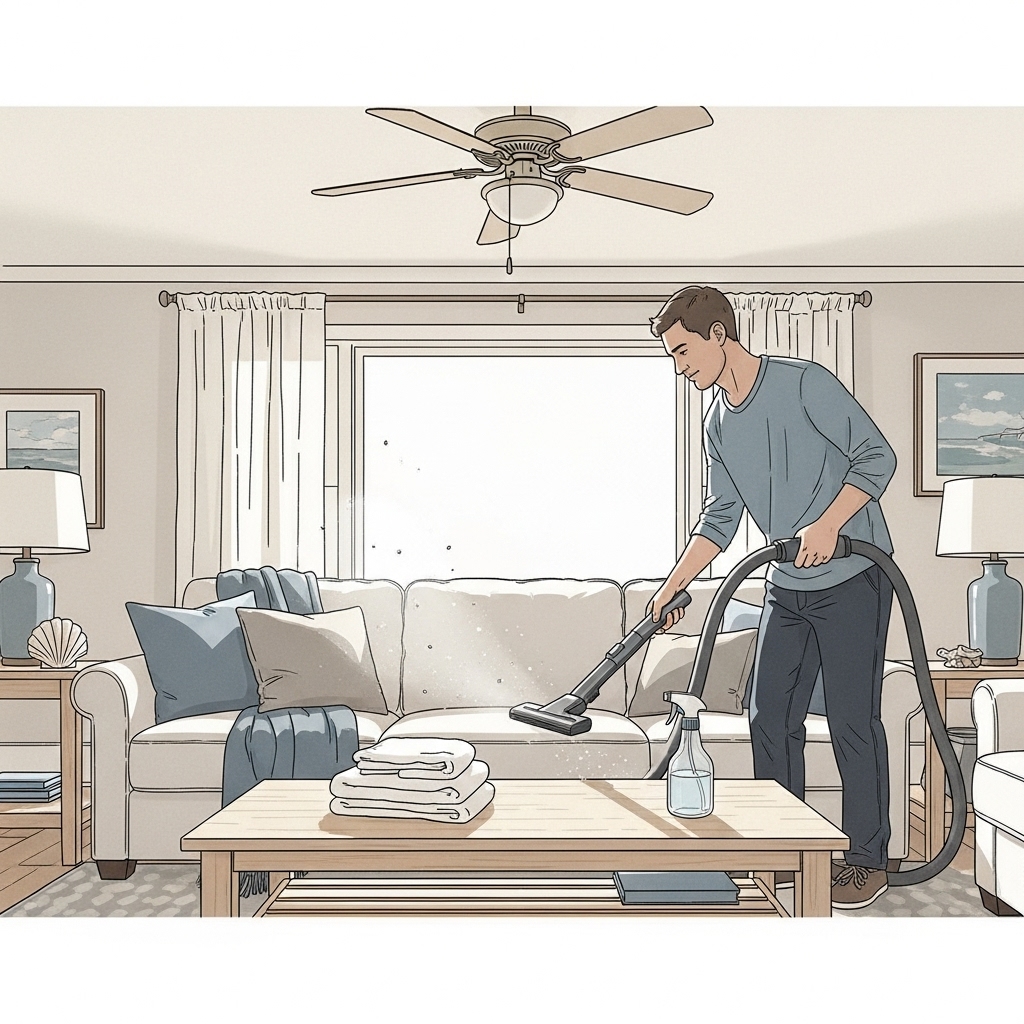
In Tampa, Florida, your furniture works hard. It welcomes sandy feet after the beach, hosts family gatherings, and withstands warm, humid days that can challenge even the toughest fabrics. Smart, consistent care keeps your living room fresh and your favorite chair inviting, while also protecting your investment for years to come. This homeowner-focused guide shares practical upholstery cleaning tips tailored to Tampa’s climate and lifestyle. If you decide that a particular task is better handled by a specialist, you can supplement your routine with professional upholstery cleaning for peace of mind and a long-lasting clean.
Great results come from simple habits done well: regular vacuuming, quick spill response, careful product selection, and controlled drying. Add in a few Tampa-specific strategies for humidity and odor management, and you will be ahead of the curve.
Start With Identification and a Plan
Before you treat any spot or start a deep clean, identify your fabric. Look for cleaning codes on tags: W, S, W/S, or X. Treat these codes as guidance, not permission to skip a test. Even a W-code fabric can bleed dye or brown if mishandled.
- W: Safe for most water-based cleaning with proper rinsing and drying.
- S: Prefer solvent or minimal moisture methods. Water can leave rings or cause shrinkage.
- W/S: Either method may work. Test both approaches and choose the safer one.
- X: Vacuum only. Seek professional advice if more is needed.
Consider the room’s conditions, too. If your living room opens to a pool deck, sand and sunscreen residues may be common. If you have pets, plan for enzyme treatments and more frequent vacuuming. A little foresight prevents over-wetting and reduces surprises mid-clean.
Build a Homeowner’s Upholstery Kit
You can achieve excellent results with a small, well-chosen kit designed for low-moisture cleaning and fast drying.
- Vacuum with upholstery and crevice attachments.
- White cotton towels for blotting and checking color transfer.
- Neutral pH upholstery cleaner and a gentle rinse solution.
- Enzyme spotter for proteins and pet accidents; solvent spotter for S-code fabrics.
- Soft brushes for fabric and seams; lint brush for hair and fuzz.
- Portable fan or air mover to speed drying; rely on your HVAC fan to circulate air.
Label bottles, keep your kit together, and test every product in an inconspicuous area before use. In Tampa’s humidity, a fan is as essential as your cleaner because it helps prevent rings, wicking, and musty odors.
Routine Care That Pays Off
Routine care does not have to be complicated. A few consistent practices will dramatically extend your furniture’s life and appearance.
- Vacuum weekly. Focus on creases, seams, and cushion edges where dust collects.
- Rotate and flip cushions monthly to spread wear and maintain loft.
- Use washable throws on high-contact zones like arms and headrests.
- Blot spills immediately with white towels. Work from the outside in to prevent spreading.
- Brush the nap lightly after vacuuming to lift the pile and keep a uniform look.
These steps are fast and effective, especially in busy Tampa households that experience frequent visitors and outdoor-to-indoor traffic.
Deep Cleaning Made Simple
When it is time for a deeper clean, follow a methodical process. You will save time and avoid mistakes.
- Inspect and pretest. Confirm the fabric code, check for wear, and test your chosen cleaner and rinse on a hidden spot.
- Dry soil removal. Vacuum thoroughly. Removing grit before adding moisture produces better results with less risk.
- Prespray. Apply a light mist to soiled areas. Let it dwell for a few minutes, but do not let it dry.
- Agitate gently. Use a soft brush or towel to distribute cleaner. Follow the fabric’s nap.
- Rinse and extract. Use minimal water and an upholstery tool if you have one. Make overlapping passes and avoid soaking.
- Spot treat as needed. Choose enzyme, oxidizer, or solvent spotters based on the stain type and fabric code.
- Groom the fabric to align fibers and encourage even drying.
- Dry fast. Run fans and your HVAC system to keep air moving. Aim for a dry-to-the-touch finish before heavy use resumes.
The cornerstone of success is moisture control. In Tampa, drying speed is just as important as soil removal. Keep airflow steady until everything is completely dry.
Smart Strategies for Tampa’s Humidity
High humidity can lead to slow drying and odors. Clean on days when your home’s interior humidity is comfortable, or supplement with a dehumidifier. Close windows if outdoor air is sticky, and keep the AC fan running to move air. Position fans to sweep across upholstery rather than blast directly into it, which can leave ripples or lines.
If odors linger after a clean, recheck cushion cores. Smells often reside inside the foam, not just on the fabric surface. Address the source, rinse thoroughly, and dry the insert completely or replace it if needed.
Stain Tactics for Real Life
Daily life brings an array of stains. Approach each with patience and the right chemistry.
- Food and drink: Blot first, then apply a mild cleaner. Tannin-based stains like coffee or tea may need a dedicated tannin remover, tested carefully.
- Grease and body oils: A mild alkaline cleaner can help on W-code fabrics. On S-code materials, a suitable solvent spotter is safer.
- Ink and marker: These may set quickly. Apply a small amount of solvent on a towel and dab carefully, checking for color transfer.
- Pet accidents: Use enzyme products with adequate dwell time, then rinse and dry thoroughly. Treat the cushion insert if affected.
- Mystery spots: Start with mild, pH-neutral cleaner and escalate only if necessary. Stop if you see dye transfer.
Always work from the outside of the stain inward, and avoid aggressive scrubbing that could distort fibers or cause color loss.
Microfiber, Cotton, Linen, and More
Each fabric has its personality. Microfiber is resilient but can show streaks if the nap is not groomed. Brush it lightly in one direction after cleaning. Cotton is comfortable and breathable but may brown or shrink if overwet; keep moisture low and dry quickly. Linen is elegant yet sensitive to agitation and water; test thoroughly and consider a minimal-moisture approach. Rayon and viscose are beautiful but fragile; when in doubt, consult a professional to avoid flattening and discoloration.
When to Bring in a Professional
Some jobs are best left to experts, particularly with valuable pieces, persistent odors, or delicate fabrics. If your pretest shows dye bleeding, brown discoloration, or texture change, pause. A qualified technician can assess the fiber and safely remove soil using specialized tools and chemistry. At any point in your project, you can opt for professional upholstery cleaning to protect your furniture and your time.
Frequently Asked Questions
How often should I vacuum upholstered furniture? Weekly in busy homes and biweekly in quieter spaces. Vacuuming keeps grit from abrading fibers and helps your deep clean last longer.
What causes water rings? Rings occur when moisture dissolves soil and dries unevenly. Prevent them by cleaning a slightly larger area around the spot and drying quickly with fans.
Can I wash cushion covers in the machine? Only if the tag permits. Close zippers, use a gentle cycle, and air dry flat. If no tag is present, test carefully or consult a professional.
Do fabric protectors really help? Yes, when used correctly on compatible fabrics. They make spills easier to blot and reduce permanent staining. Test in an inconspicuous area first.
How do I keep furniture fresh between cleanings? Control indoor humidity, rotate cushions, vacuum regularly, and address spills promptly. Light grooming with a soft brush helps restore the nap.
Refresh Your Home with Confidence
With these practical tips and a consistent routine, you can keep your Tampa home’s upholstery looking and smelling great all year. For delicate fabrics, heavy soil, or simply to save time, schedule professional upholstery cleaning and enjoy comfortable, welcoming furniture without the stress.