
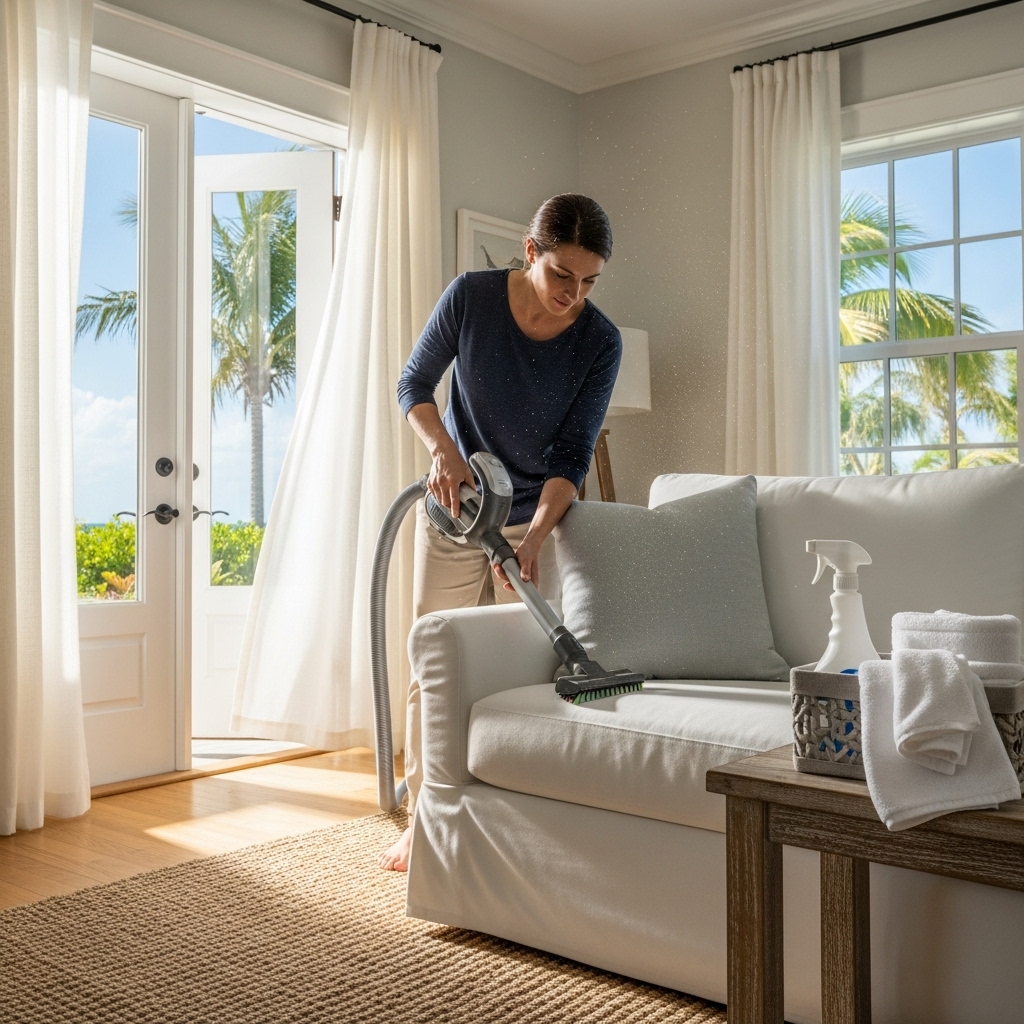
Introduction: Practical Advice for Cleaner Upholstery in Tampa
Keeping upholstery fresh in Tampa, Florida takes more than an occasional vacuum. Heat, humidity, salt air, pollen, and active households can challenge even the sturdiest fabrics. The good news is that with a few smart habits and well-chosen products, you can protect your sofas, chairs, ottomans, and dining seats year-round. This guide shares actionable tips you can implement today, along with strategies tailored to our coastal climate. If you ever prefer expert assistance, local upholstery cleaning can support your routine and help you tackle tough stains without guesswork.
Think of upholstery care as a simple cycle: remove dry soils, address spots, refresh surfaces, and dry thoroughly. In Tampa’s environment, airflow and timing matter as much as cleaning solutions. The tips below prioritize safety for your fabrics, practicality for busy families, and results you can see and feel.
Tip 1: Treat Vacuuming as Non-Negotiable
Vacuuming is not just cosmetic; it protects fibers from abrasion and keeps allergens under control. Use a soft brush attachment and vacuum weekly in high-traffic areas, going over seams, creases, and cushion edges where sand and grit hide. For cushions that can be flipped, rotate positions monthly to balance wear and prevent moisture pockets from forming on the same side repeatedly.
Tip 2: Do a Quick Post-Beach Reset
After days at Clearwater or St. Pete Beach, sand and salt can hitch a ride home. Shake out beach bags and covers outside, then give seating a rapid vacuum pass. For water-safe fabrics, a quick wipe with a barely damp microfiber towel using distilled water helps remove salt residue that can attract moisture or leave faint lines later.
Tip 3: Master the Blot—Never Rub
For beverages, sauces, and greasy fingerprints, blot immediately with a clean, white towel. Rubbing pushes the stain deeper and can distort fibers. On water-safe fabrics, follow blotting with a tiny amount of mild, dye-free dish soap mixed in warm distilled water. Dab from the outside toward the center to avoid spreading the stain, then “rinse” the area using a second towel lightly dampened with plain distilled water.
Tip 4: Respect Fabric Codes
Check the tag: W, S, W/S, or X. Water-based cleaners are fine for W and often for W/S. Use solvent-based products only for S. X means vacuum-only, with professional care for anything beyond dry soil removal. In Tampa’s humidity, these labels matter because over-wetting the wrong fabric can trap moisture and create odors that are hard to remove later.
Tip 5: Speed Up Drying the Right Way
Drying is half the job. Open interior doors, run the AC, and set up a small, low-heat fan to keep air moving. Stand cushions on edge so all sides can breathe. If you own a dehumidifier, run it in the cleaning area for a few hours. Avoid blasting heat directly on fabric; gentle airflow is safer and often faster in humid conditions.
Tip 6: Control Odors with Enzymes
Enzyme-based deodorizers break down odor-causing organic residue from food, sweat, and pet accidents. Use them on water-safe fabrics with the recommended dwell time, then blot and dry thoroughly. If odors persist, the cushion core may hold the problem, which is a good time to evaluate deeper extraction or a professional visit.
Tip 7: Target Sunscreen and Body Oil Buildup
Armrests and headrests often darken over time from sunscreen and skin oils. Spot treat with a mild soap solution and a soft cloth, then wipe with a towel dampened with distilled water to remove residue. Consider armrest covers on high-use seats, especially during summer when SPF use peaks.
Tip 8: Keep a Small Cleaning Caddy
Assemble a simple kit with white microfiber towels, a soft brush, a spray bottle of distilled water, a mild detergent, and your chosen deodorizer. Store it near living areas so you can respond to spills immediately. A few minutes now prevents hours of work later, especially when humidity slows dry times.
Tip 9: Know When to Use a Portable Upholstery Machine
For large synthetic-fiber sectionals or performance fabrics labeled W or W/S, a portable upholstery machine can dramatically improve results. Use a neutral pH solution, avoid over-wetting, and extract thoroughly. Clean both sides of removable cushions and plan enough time for complete drying before reassembly.
Tip 10: Protect Fabrics You Love
Fabric protectors approved for your material type create a barrier against spills and soil. Reapply after deep cleanings. In Tampa’s climate, protection paired with frequent vacuuming maintains that “new furniture” feeling longer and reduces the effort required to remove stains.
Tip 11: Be Gentle with Solvent-Only Fabrics
For S-coded textiles, apply dry solvent cleaner to a white cloth and blot gently. Work in a ventilated space and avoid saturation. After drying, brush the nap with a soft brush to restore texture. When in doubt, limit yourself to minor spots and call in help for broader issues.
Tip 12: Plan a Seasonal Refresh
Set calendar reminders: a mini-refresh after summer, a deeper clean before holidays, and a quick check at spring pollen peaks. Scheduling maintenance lets you catch small problems early, like loose seams or emerging odors, and it makes every daily tidy-up faster.
Tip 13: Handle Red Wine and Coffee Calmly
Blot immediately, apply a mild soap solution to a cloth and dab from the edges inward, then follow with a distilled-water dampened towel. Resist the urge to scrub. For lingering shadow stains, let the area dry completely and reassess; repeat the process gently rather than escalating to harsh chemicals.
Tip 14: Use Sun Wisely
On a low-humidity day, set cushion cores in indirect sun for an hour to refresh them, then return them indoors to avoid fading. Sun can help reduce mild odors when used sparingly. Avoid leaving dyed fabrics in direct sun for extended periods, especially near windows that magnify heat.
Tip 15: Address Mildew at the First Hint
If you detect a musty smell, increase airflow, vacuum thoroughly, and lightly wipe water-safe surfaces with a barely damp towel. Dry with a fan and AC. If you see spots or the odor persists, seek professional attention to prevent spreading and to protect dyes.
Tip 16: Pet-Friendly Strategies
Lay washable throws on favorite pet spots and launder weekly. Use a slightly damp microfiber towel to gather hair before vacuuming, then do a thorough pass with the brush attachment. Enzyme treatments are your friend after accidents, but immediate blotting is critical for success.
Tip 17: Dining Chair Readiness
For fabric dining seats, vacuum crumbs from seams, spot clean promptly after dinners, and consider stain-resistant treatments. Keep a set of white towels nearby during gatherings so spills can be blotted without hunting for supplies.
Tip 18: The Middle-Ground Solution—Call for Backup
When you face a large sectional with multiple stains, or a stubborn odor that returns after drying, it is efficient to bring in help rather than repeating the same steps. Mid-year or pre-event appointments can reset your home’s soft surfaces quickly. For convenience and confidence, consider scheduling upholstery cleaning services to complement your DIY efforts.
Frequently Asked Questions
Q: How often should I vacuum if I have pets? A: Aim for two quick passes per week on seating and a thorough monthly session that includes lifting cushions and cleaning the deck beneath.
Q: Can I use the same cleaner on all fabrics? A: No. Check tags and perform spot tests. Water-based solutions are for W and sometimes W/S fabrics. S-coded textiles require dry solvents. When uncertain, start with vacuuming and a lightly damp microfiber towel.
Q: What is the best way to avoid water rings? A: Treat an entire panel rather than a small dot, then blend edges lightly and dry with steady airflow. Rings often come from cleaning only the center of a stain.
Q: Are portable machines safe in Tampa’s humidity? A: Yes, if you control moisture and prioritize extraction and drying. Use low-moisture passes, neutral pH solutions, and plenty of airflow afterward.
Q: How do I keep sunscreen from staining? A: Wipe arms and headrests periodically with a mild soap solution on water-safe fabrics, then rinse with a damp towel. Using armrest covers during summer also helps.
Ready to Refresh Your Home’s Seating?
Small, consistent habits keep Tampa upholstery clean, comfortable, and guest-ready. If you want targeted help for delicate fabrics, stubborn spots, or a pre-event deep clean, schedule trusted upholstery cleaning with a local team that understands Florida’s climate. Enjoy brighter colors, softer textures, and a healthier indoor environment—without spending your weekends wrestling with stains.