
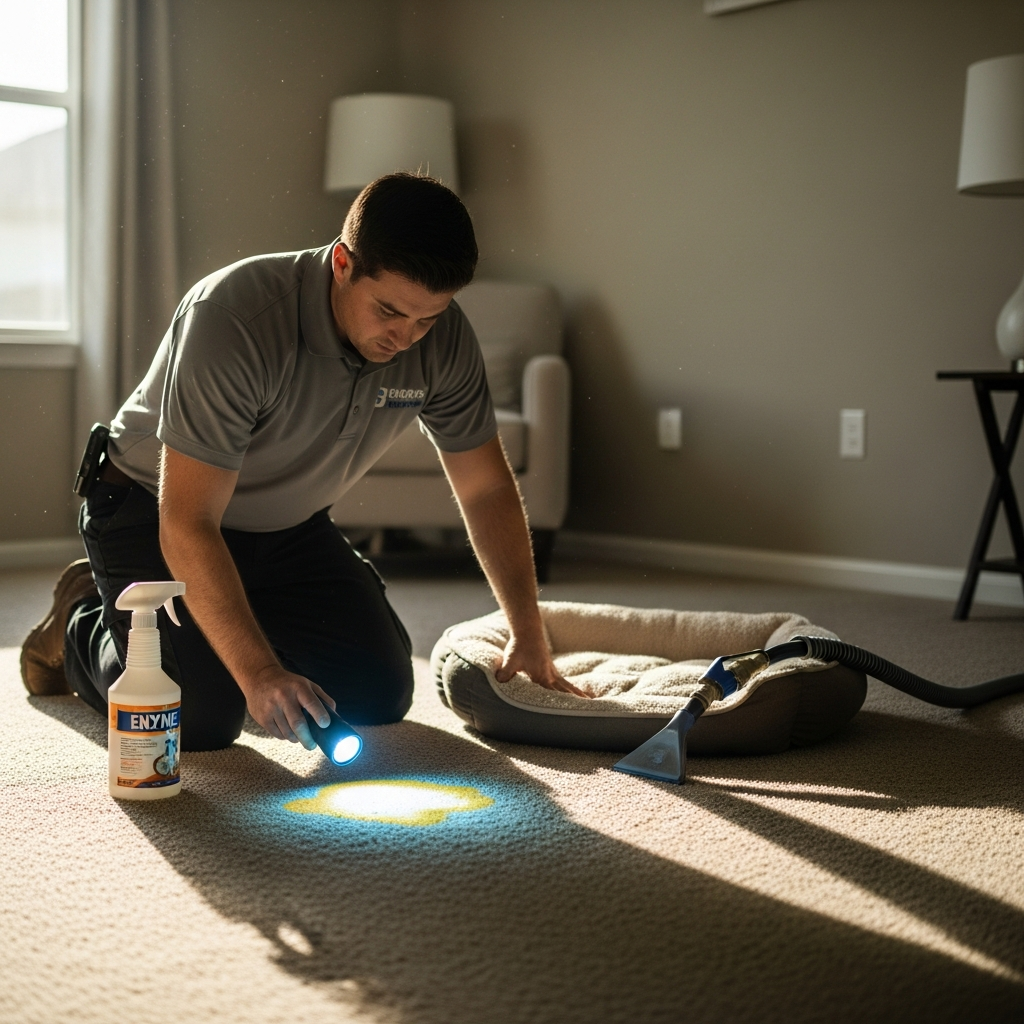
Pets make a house feel like home, but accidents happen—especially with new puppies, senior companions, or rescue pets adjusting to a routine. In Tampa, our warm, humid climate can make odors more stubborn and encourage deeper penetration into carpet backing and pad. The good news: with the right inspection, chemistry, and extraction, even tough pet issues can be dramatically improved. This guide explains how professionals identify the full scope of contamination, select targeted treatments, and protect fibers, dyes, and indoor air quality. If you are researching solutions, start by exploring local experts in carpet cleaning who understand pet-specific challenges and Tampa’s unique conditions.
Pet accidents often involve more than what you can see or smell on the surface. Liquids may migrate outward and downward, creating larger, sub-surface areas that continue to release odor long after the visible spot appears gone. DIY attempts can sometimes set stains or spread the problem if too much liquid is used without adequate extraction. Professionals employ moisture detection tools, UV inspection, and targeted chemistry to treat the entire affected zone rather than just the visible spot.
Understanding pet urine chemistry
Pet urine changes as it dries. Urea breaks down into ammonia, and salts can crystallize in backing or pad. When humidity rises, these salts draw moisture from the air and reactivate odor. That is why some rooms seem fine for a day or two, then smell stronger when the weather changes. Effective treatment neutralizes and removes these odor sources at the right depth, preventing future reactivation.
Inspection: seeing the unseen
Thorough inspection guides an effective plan. Technicians may use UV light to identify hidden contamination or moisture meters to gauge depth. They also consider fiber type (nylon, polyester, wool) and dye stability, which influence spotter selection and dwell time. Mapping all affected areas ensures the treatment addresses the true scope—not just what meets the eye.
Targeted treatments that work
Professionals select from a toolkit of solutions:
- Enzymatic Cleaners: Break down organic components so they can be rinsed and extracted.
- Oxidizing Agents: Address discoloration and lingering odor-causing compounds.
- Sub-Surface Extraction: Pulls contaminants from deeper layers, sometimes using specialized tools that focus suction beneath the face fibers.
- Rinse and Neutralization: Helps remove residues and rebalance pH, leaving fibers soft and clean.
The right combination depends on the accident’s age, frequency, and the specific fibers and backing.
Why humidity and ventilation matter in Tampa
Our region’s humidity amplifies odor issues, which is why thorough extraction and airflow are essential. Professionals optimize drying with strategic air movement and guidance for post-cleaning ventilation. This reduces the chance of wicking (spots reappearing as moisture rises) and supports a fresher, longer-lasting outcome.
Safety for pets and families
Pet-safe, low-residue solutions are central to a responsible treatment plan. Communicate any sensitivities so your technician can tailor products accordingly. Keeping pets in a comfortable room during treatment and initial drying prevents tracking and helps everyone relax while work is performed.
Prevention and routine maintenance
While accidents can happen, a few habits reduce future issues:
- Immediate Blotting: Use a clean, white cloth to blot—do not rub—pressing from outside the spot toward the center.
- Rinse, Don’t Soak: Lightly rinse if advised, then blot again; avoid oversaturating, which can drive contaminants deeper.
- Strategic Mats and Runners: Place washable mats near doors and in favorite pet lounge spots.
- Regular Vacuuming: Removes hair and dander, improving appearance and air quality.
- Periodic Professional Maintenance: Intervals depend on pet age, size, and frequency of accidents.
Dealing with set-in stains
Older stains are tougher because they have had time to bond with fibers and backing. Professional oxidizers or reducing agents may help, but color loss or dye changes can be permanent in some cases. Technicians will assess and explain what improvements are realistic. Even when discoloration remains, targeted odor removal can dramatically improve the room’s freshness.
Working with professionals: what to expect
From the first call, expect clear communication about inspection, options, and preparation. Technicians should walk through your home, mark affected zones, and describe the proposed treatments in simple terms. Furniture protection, corner guards, and careful hose routing protect your home. After treatment, you will receive drying guidance and tips for preventing future issues.
Mid-process considerations
If you have tried multiple DIY products, be sure to share that information—some residues react with professional chemistry. When comparing providers, look for professional carpet cleaning teams that can explain how they handle deep contamination, what they do about wicking, and how they balance strong odor removal with fiber safety.
Frequently asked questions
Q: Can all pet stains and odors be removed?
A: Many can be significantly improved or fully resolved, especially with prompt treatment. Some discoloration may be permanent if dyes were affected or if the spill sat for a long time. Odor control is typically very successful when the full contaminated area is treated.
Q: What if a spot keeps coming back?
A: That often indicates wicking from deeper layers. A follow-up treatment or sub-surface extraction may be needed to address the source.
Q: Is it safe for pets to walk on the carpet after cleaning?
A: Follow your technician’s guidance. Once dry, carpets are ready for normal use. During drying, limit traffic to reduce re-soiling and to keep pets comfortable.
Q: Will cleaning remove pet dander and allergens?
A: Professional methods reduce dander and trapped particulates, supporting fresher indoor air. Regular maintenance helps maintain these benefits.
Q: How can I prevent repeat accidents in the same spot?
A: Thorough odor neutralization discourages repeat marking. Combine professional treatment with training strategies recommended by your veterinarian or trainer.
Q: Should I replace padding if accidents were frequent?
A: In severe cases, replacement of pad and sealing of subfloor may be advised. A professional inspection will determine whether that step is necessary.
Restore freshness and comfort
Pets bring joy and companionship, and with a thoughtful plan, your home can smell as welcoming as it feels. Choose a provider who understands the science of odor removal, uses pet-safe solutions, and communicates clearly from inspection to aftercare. To give your home the refresh it deserves, schedule your pet-focused carpet cleaning with a trusted Tampa specialist today.