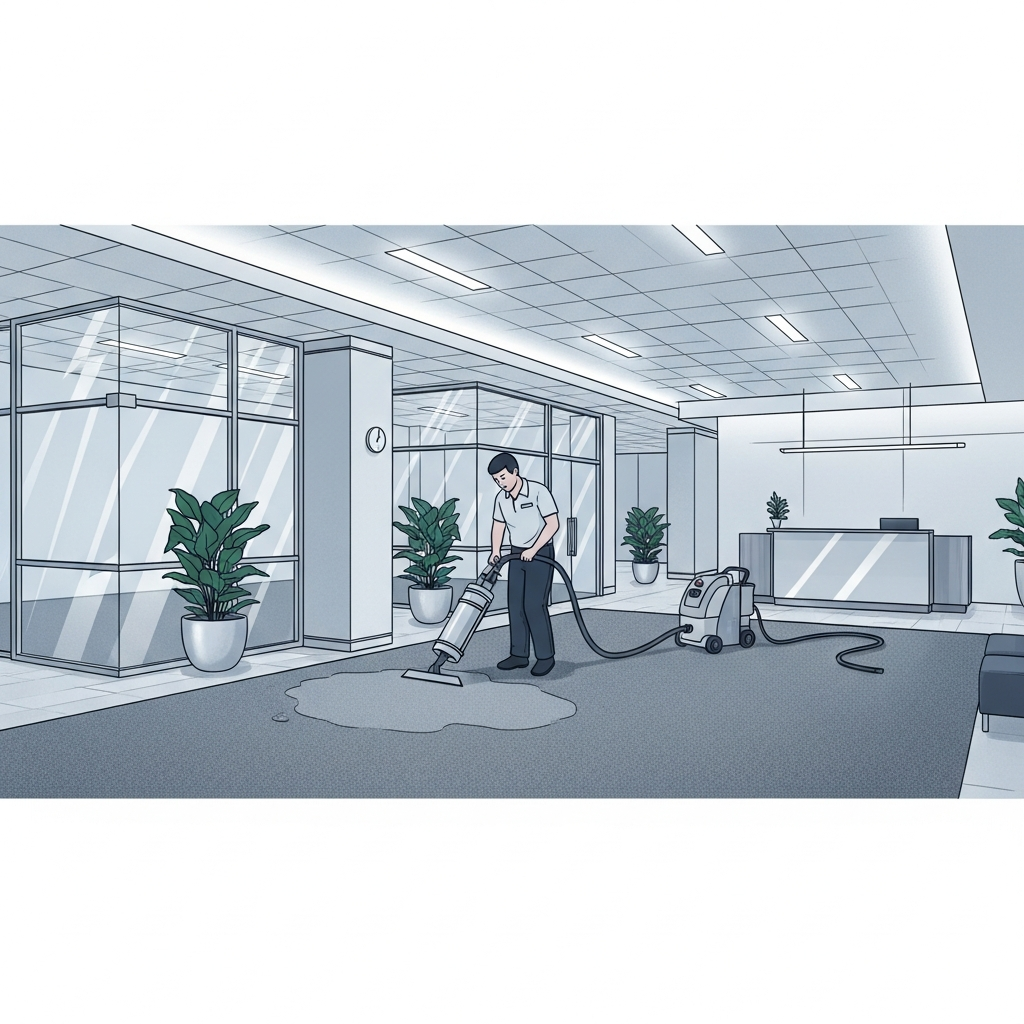
Choosing a commercial carpet cleaning service in Tampa, Florida requires balancing appearance, hygiene, safety, and minimal disruption to business operations. Offices in Downtown Tampa, retail spaces in Channelside, medical facilities near Westshore, and hospitality venues across South Tampa all face different traffic patterns and compliance expectations. The right vendor keeps your space presentable, protects indoor air quality, and helps extend the life of carpet while aligning with your schedule. If you are assessing providers, start with experienced teams that specialize in carpet cleaning for business environments and can adapt services to your industry.
This guide outlines a practical framework for vendor selection: credentials and insurance, method flexibility, environmental practices, safety standards, scheduling, communication, quality control, and long-term maintenance planning. With a clear checklist, you can move quickly from initial research to a dependable partnership that supports your brand image and building health.
Set your objectives and constraints
Before you contact vendors, define success. Do you need after-hours service to avoid customer disruption? Are there areas with heavy soil and spills (breakrooms, lobbies) versus spaces that need lighter maintenance? Do you have LEED goals, fragrance sensitivities, or infection-control requirements? Document constraints such as building access, elevator reservations, security clearances, and parking. A vendor who listens closely and proposes a plan that fits these parameters is already ahead.
Confirm credentials, insurance, and training
Commercial properties demand professional standards. Verify business licenses, liability and workers’ compensation insurance, and technician training. Ask how teams are vetted, how often they receive continuing education, and how supervisors review work. For health-related environments, ensure the vendor understands relevant standards for cleaning and sanitation in occupied spaces and can provide documentation upon request.
Method flexibility and equipment
Different zones in your building may require different approaches. High-traffic corridors often benefit from hot water extraction on a restorative schedule, complemented by low-moisture maintenance to keep appearances high between deep cleans. Spaces with delicate fibers or moisture limitations may require specialized chemistry and agitation rather than heavy saturation. Reliable vendors bring well-maintained equipment, offer options, and explain why they are recommending a specific sequence for your property.
Environmental and health considerations
In Tampa’s humid climate, thorough extraction and airflow support are essential to timely drying. Request low-residue, biodegradable solutions when possible, and ask about ventilation strategies. If your building has occupants with scent sensitivities, your vendor should accommodate fragrance-free protocols. For allergy-conscious workplaces, restorative hot water extraction reduces fine dust and dander that routine vacuuming misses.
Scheduling and communication
Commercial cleaning must fit your calendar, not the other way around. Ask vendors how they handle after-hours or weekend service, how they coordinate access with building management, and how they communicate progress. Clear expectations—arrival windows, service zones, and post-cleaning walk-throughs—reduce surprises. If your building needs phased work to keep critical areas open, your provider should build a logical sequence and maintain a timeline.
Quality control and documentation
A dependable vendor supplies documentation: pre-inspection findings, scope of work, post-cleaning notes, and recommended maintenance intervals. For multi-tenant buildings, photos and summaries per suite can help property managers track service quality. Ongoing quality checks—such as periodic supervisor inspections—ensure consistent outcomes across floors and over time.
Safety and building protection
Commercial jobs introduce additional safety considerations: wet floor signage, cord management, and restricted access to treated areas. Corner guards, floor protection at transitions, and careful placement of hoses prevent scuffs or tripping hazards. A strong vendor integrates safety into every step and trains technicians to respect high-value finishes, baseboards, and delicate surfaces near carpeted areas.
The proposal and maintenance plan
After a walkthrough, expect a customized proposal that maps out restorative and maintenance cycles. For example, lobbies and main corridors may need restorative cleaning more frequently, while private offices can remain on a lighter cadence. The best plans reduce unplanned downtime, maintain an even appearance across the property, and budget time for special events or seasonal spikes.
Evaluating value beyond the visit
Look beyond a single service to the long-term impact. Clean carpet reduces allergens and particulates, supports a professional image, and can help reduce premature replacement. A credible vendor is transparent about what can and cannot be achieved in each visit and suggests preventive strategies to minimize future issues—walk-off mats, spot cleaning protocols, and traffic pattern adjustments.
Mid-selection checkpoint
As you narrow your shortlist, prioritize professional carpet cleaning partners who demonstrate method flexibility, timely communication, and a commitment to documentation. Ask for references from properties similar to yours and inquire about responsiveness, consistency, and how the vendor handles special requests or emergency needs.
Frequently asked questions
Q: How often should a commercial space be cleaned?
A: Frequency depends on traffic and industry. Lobbies, corridors, and retail zones often need more frequent maintenance, while low-traffic offices may require only periodic restorative service. A walk-through will produce a tailored plan.
Q: Can cleaning be done after hours?
A: Yes. Most commercial providers accommodate evenings or weekends to avoid disrupting business activity. Coordinating access and security details ahead of time ensures a smooth visit.
Q: Is low-moisture cleaning enough for a business?
A: Low-moisture methods are great for interim maintenance, but periodic hot water extraction is important to flush embedded soils and residues. A hybrid plan balances appearance with deep hygiene.
Q: How do you protect building finishes?
A: Trained technicians use corner guards, floor protection at transitions, and careful equipment placement. They also manage hoses and cords to reduce trip hazards and scuffs.
Q: What if stains return after cleaning?
A: Some stains wick from backing or pad. A good vendor addresses root causes, uses proper chemistry, and may schedule a follow-up for persistent areas.
Q: What documentation will I receive?
A: Expect scope of work, pre-inspection notes, post-service summaries, and recommended maintenance intervals. Photos by zone are helpful for property management records.
Advance your facility standards
Your commercial carpets shape first impressions, occupant comfort, and the longevity of your flooring investment. A thoughtful vendor selection process yields reliable results shift after shift and season after season. If you are ready to elevate appearance and indoor air while minimizing disruption to operations, schedule your commercial carpet cleaning with a trusted Tampa partner today.