Homeowners across Tampa want carpets that look inviting, feel soft underfoot, and support healthier indoor air. When exploring residential options, it helps to understand the service menu, what shapes overall cost considerations, and how to plan for a smooth appointment. This guide explains the major service types, factors that influence project scope, and practical steps for preparation and aftercare. If you are starting research on Tampa providers, consider reputable local teams that specialize in carpet cleaning and can tailor the process to your household’s needs.
Every home is unique, from historic bungalows in Seminole Heights to contemporary builds in New Tampa. Your carpets may face sandy foot traffic after beach days, pet-related accidents, toddler spills, or seasonal pollen. The best outcomes come from a clear plan that matches cleaning method to fiber type, soil load, and lifestyle. Understanding options helps you choose services with confidence while setting realistic expectations for results and timelines.
Common residential carpet cleaning services
Professional providers offer a range of solutions designed to address both routine soil and specialized issues. Here are the most common services you will encounter in Tampa:
- Hot Water Extraction: A deep-cleaning approach that flushes soils and residues from fibers and extracts them with high-powered vacuums. Preferred for restorative cleans, allergy concerns, and heavily trafficked rooms.
- Low-Moisture/Encapsulation: A maintenance-friendly option that uses polymer chemistry to surround soil particles. Once dry, soils are removed through normal vacuuming, ideal for interim refreshes and faster availability of rooms.
- Targeted Spot and Stain Treatments: Specialized formulas and techniques to tackle coffee, wine, pet accidents, and tracked-in oils. Success depends on fiber type, dwell time, and prior attempts with household chemicals.
- Pet Odor Neutralization: Inspection and treatment plans to handle odors that may have penetrated backing or pad. Effective solutions target odor at the source rather than simply masking it.
- Stain Protection Applications: Fiber protectants that help repel spills and make routine cleanups easier. Protection is especially useful in dining rooms, hallways, and kids’ rooms.
- Stairs, Hallways, and Edge Detailing: High-focus work on areas that show wear first, including transitions and baseboards, where soil can accumulate.
The best providers combine multiple services as needed, using fiber-safe chemistry and techniques tailored to each room.
What shapes overall cost considerations?
Although specific pricing is unique to each household, you can better understand how scope is determined by looking at the main variables professionals consider. Knowing these inputs helps you plan your project and have well-informed conversations with your chosen provider, without needing to focus on numbers or line items.
- Home size and room count: More areas mean more time, preparation, and post-cleaning care.
- Soil level and stain severity: High-traffic lanes, spills, and pet issues typically require more targeted work.
- Fiber type and construction: Different fibers (nylon, polyester, wool) and pile heights respond differently to heat, chemistry, and agitation.
- Accessibility and layout: Multi-level homes, tight stairwells, and limited parking can affect setup and workflow.
- Furniture handling: Moving and protecting furniture adds steps that must be carefully planned.
- Specialty treatments: Odor neutralization, advanced spot removal, and protection applications add to the service plan.
Instead of focusing on a single number, think of the overall plan: assessment, preparation, method selection, and careful execution. A thorough, customized approach helps achieve the long-lasting cleanliness and freshness you want.
Choosing the right method for your home
Method selection should reflect the unique conditions in your home. Hot water extraction, commonly known as steam cleaning, is an excellent restorative method because it removes embedded soil and residues. Low-moisture cleaning is valuable for interim maintenance and for rooms that need to be available again quickly. In pet households, targeted odor treatments may be added, and in homes with allergy sensitivities, deeper flush-and-rinse approaches are often recommended to reduce allergens.
Reputable teams explain why a certain approach is best, how it affects drying, and what you can expect in terms of appearance changes, odor reduction, and stain outcomes. Clarity up front ensures a better experience and results that match your goals.
Preparation tips for a smooth appointment
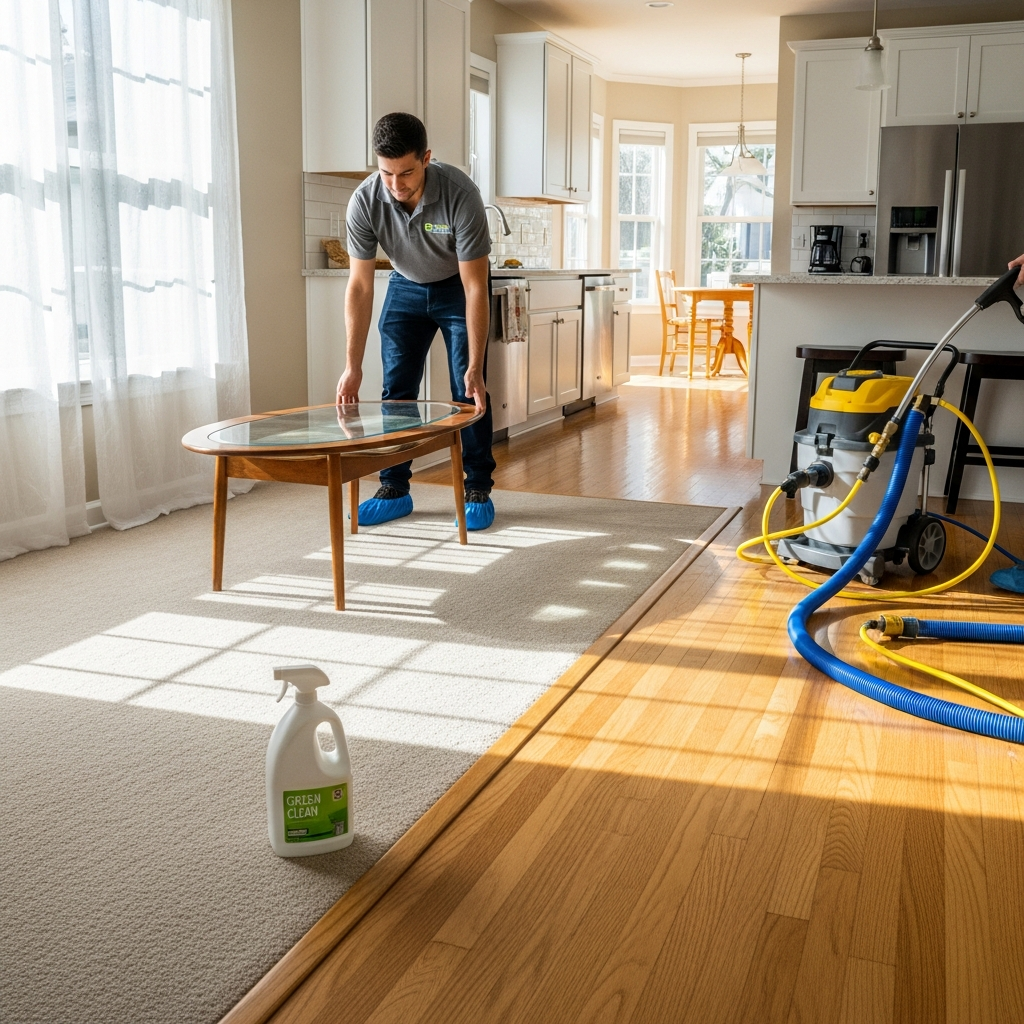
A little preparation helps your technicians focus on what matters most: deep, even cleaning with minimal disruption.
- Declutter floors, pick up toys, shoes, and small items
- Remove lightweight or fragile decor from low tables or shelves near traffic paths
- Vacuum lightly if advised to remove loose debris
- Secure pets for safety and to prevent re-soiling during drying
- Point out problem spots and discuss any prior DIY attempts
Sharing your top priorities gives your team a roadmap for outstanding results.
Drying, ventilation, and aftercare
After cleaning, follow your technician’s guidance on airflow, temperature, and foot traffic to encourage timely drying. Use clean, colorfast towels beneath furniture protectors where instructed, and avoid replacing area rugs until carpet is dry. Resume regular vacuuming to lift pile and remove remaining fine soils. For spills, blot—never rub—and test any spotter in an inconspicuous area first.
Maintaining entrance mats, rotating furniture occasionally, and scheduling interim refreshes in high-traffic rooms will help your home look great longer. If you notice a recurring spot, it may indicate residue wicking from deeper layers; reach out to your cleaner for targeted help rather than adding multiple household products.
Evaluating Tampa providers
When reviewing local companies, look for training, clear communication, and a track record of consistency. Ask about fiber identification, chemistry knowledge, and the steps they take to protect your home. Strong providers offer plain-language explanations, realistic expectations, and written aftercare. This level of professionalism reflects a commitment to long-term relationships and predictable, high-quality outcomes.
If you are comparing options, it can be helpful to select professional carpet cleaning that emphasizes pre-inspection, fiber-safe chemistry, thorough extraction, and careful attention to detail. Look for teams that are transparent about their process and that tailor services to your family’s lifestyle, including pets, allergies, and busy schedules.
Questions to ask before booking
- Which method do you recommend for my fibers, and why?
- How do you handle stubborn stains or recurring spots?
- What steps do you take to protect furniture, corners, and baseboards?
- How do you support faster drying and reduce residues?
- What should I do to prepare rooms before you arrive?
These questions lead to a clearer plan and a more satisfying outcome.
Frequently asked questions
Q: How often should I schedule professional cleaning for a residential home in Tampa?
A: Frequency depends on family size, pets, and foot traffic. Many households benefit from an annual restorative cleaning, with interim refreshes for high-use areas.
Q: Can all stains be removed?
A: Not all. Many respond well to professional chemistry and agitation, but some may be permanent if dyes were altered or if spills sat too long. A technician will advise after inspection.
Q: Is professional cleaning safe for kids and pets?
A: Yes, when performed with appropriate, low-residue solutions and thorough extraction. Share sensitivities so products can be selected accordingly.
Q: What about pet odors?
A: Effective odor control targets the entire affected area, sometimes including backing or pad. Enzyme-based or oxidizing treatments, combined with proper extraction, are typically used.
Q: Will cleaning affect my carpet warranty?
A: Many warranties require periodic professional service using approved methods. Ask your provider for documentation to keep on file.
Q: How can I keep carpets fresh between visits?
A: Vacuum regularly with a high-quality machine, use walk-off mats, blot spills promptly, and schedule touch-ups for high-traffic zones.
Bring out the best in your Tampa home
Beautiful, clean carpet changes the way your home feels and functions. Choose a provider that explains their process, respects your home, and delivers consistent results across every room. If you are ready to refresh living spaces, reduce allergens, and extend the life of your flooring, schedule your residential carpet cleaning with a trusted Tampa specialist today.