
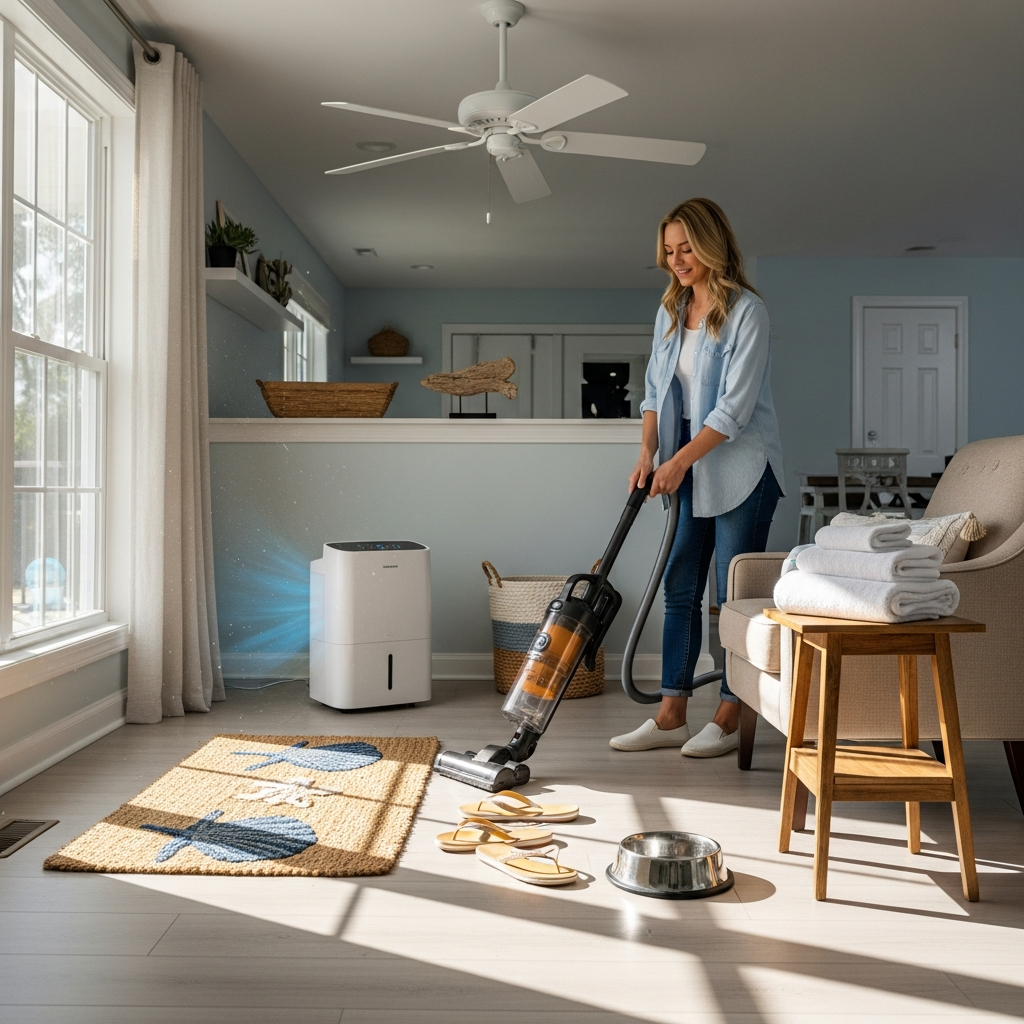
Tampa’s sunshine and coastal lifestyle come with a few floor-care challenges: humidity, sand, sudden storms, and busy households filled with pets and guests. Whether you manage a rental or own your home, the right habits can keep carpets cleaner, fresher, and more resilient. This guide delivers practical strategies for everyday care, move-in/move-out success, and seasonal maintenance tailored to Florida’s climate. If you decide to bring in expert help, consider booking trusted carpet cleaning services familiar with Tampa’s unique conditions.
Good carpet care is about prevention, prompt response, and periodic deep cleaning. When you control grit and moisture—two of Tampa’s biggest culprits—you protect fibers from abrasion and odors. Combine disciplined vacuuming with smart spot treatment and airflow, and your carpets can look great far longer than you might expect.
Daily and Weekly Habits That Matter
- Use walk-off mats: Place sturdy mats at every exterior door to capture sand and water before they reach carpet.
- Vacuum slowly: Two to three passes in different directions remove more soil than quick sweeps.
- Rotate furniture: Small layout changes redistribute foot traffic and reduce wear patterns.
- Control humidity: Run AC and, during rainy spells, dehumidifiers to prevent musty odors.
- Shoes-off policy: Encourage family and guests to remove shoes in a designated area to limit grit.
These small steps create a powerful foundation. When you capture grit early and keep indoor humidity in check, your cleaning efforts go further and last longer.
Spot and Spill Response
Speed is everything with spills. Blot—do not rub—using white towels to avoid dye transfer. Start from the outside and work inward. For coffee, tea, or wine, use a tannin-appropriate spotter; for milk or blood, choose an enzyme-based product and cool water; for grease, a solvent spotter with light agitation. Always pretest in an inconspicuous area and follow with a light rinse to reduce residue that attracts soil.
After treating, stack fresh white towels on the area, add weight, and leave overnight. This helps intercept wicking—the phenomenon where deeper residues travel upward during drying and reappear on the surface the next day.
Seasonal Deep Cleaning
Plan deep cleanings around Tampa’s weather. After the most humid months, schedule hot water extraction to flush embedded soils and refresh fibers. Prioritize controlled application, powerful extraction, and immediate airflow. In between deep cleans, use encapsulation or low-moisture methods to maintain appearance without adding much moisture to indoor air.
Rentals benefit from a set calendar: pre-peak season refresh for incoming tenants, a mid-season touch-up if needed, and a final deep clean after move-out. Document with photos to show incoming residents the condition they received and to verify proper turnover care.
Owner-Led vs. Professional Cleaning
DIY can work for light maintenance, spot removal, or small rooms. Move slowly, apply solutions sparingly, and prioritize thorough extraction to avoid extended dry times in humid weather. For larger jobs, pet issues, or stubborn stains, professionals bring advanced chemistry and high-powered equipment that shortens drying and improves outcomes. Midway through your maintenance planning, you may find that scheduling periodic carpet cleaning support lets you focus on daily upkeep while experts handle deep resets.
Move-In and Move-Out Playbook for Rentals
- Document condition: Photograph carpets before and after each tenancy.
- Schedule cleaning smartly: Allow adequate drying time before walkthroughs to avoid musty impressions.
- Target high-traffic zones: Hallways and living rooms deserve extra attention with agitation and thorough extraction.
- Address odors early: Pet and cooking odors are easier to neutralize immediately after move-out than after months of buildup.
- Educate tenants: Provide a short care guide with vacuuming expectations and approved spotters.
Clarity prevents misunderstandings and protects your investment. Tenants who understand simple habits—like using mats and reporting spills quickly—help preserve carpet life and reduce disputes later.
Humidity Control: The Hidden Hero
In Tampa, humidity management is as important as cleaning method. Run AC during and after wet processes. If you notice condensation on windows or a persistent musty smell, introduce a dehumidifier and increase airflow with ceiling fans. Lowering indoor relative humidity helps carpets release moisture quickly, discouraging odors and microbial growth.
Pet-Friendly Strategies
- Establish accident zones: Keep washable rugs in puppy training areas.
- Use enzyme cleaners: Give them sufficient dwell time before extraction.
- Groom after cleaning: A carpet rake lifts pile, reducing visible traffic lanes.
- Routine checks: Use a UV flashlight to locate old urine spots before they cause recurring odors.
These tactics shorten the path from incident to resolution, especially helpful in rentals where fast turnaround matters.
Protecting High-Use Areas
Stairs, hallways, and living rooms collect the most grit and show the earliest signs of wear. Add runners or strategically placed area rugs in rentals to buffer the carpet beneath. Vacuum these zones more frequently and request that tenants pay extra attention to them. During deep cleans, ask for targeted agitation and slow extraction passes to lift compacted soil.
Common Mistakes to Avoid
- Over-wetting: Too much solution with weak extraction leads to long dry times and odors in humid air.
- Skipping vacuuming: Dry soil removal determines success before any wet method touches the fibers.
- Harsh spotters: Some household products set stains or bleach fibers; always pretest.
- Rushing traffic: Footprints in damp fibers can become permanent shadowing.
Frequently Asked Questions
Q: How often should Tampa homes deep clean carpets?
A: Typically every 6–12 months, with more frequent maintenance for pets, children, or beach-centric lifestyles that track sand indoors.
Q: What is the fastest way to stop a spill from staining?
A: Blot immediately, use a compatible spotter, and rinse lightly. Avoid scrubbing, which distorts fibers and spreads the spill.
Q: Can tenants handle spot treatment safely?
A: Yes, with guidance. Provide approved products and instructions to blot, pretest, and avoid oversaturation.
Q: How do I keep carpets from smelling musty?
A: Control indoor humidity with AC and dehumidifiers, ensure thorough extraction during deep cleans, and maintain airflow after cleaning.
Q: Are low-moisture methods enough?
A: They are excellent for interim maintenance but should be paired with periodic hot water extraction to flush embedded soils and residues.
Q: What about pet urine that has reached the pad?
A: Surface treatments are rarely enough. Subsurface flushing or pad replacement may be necessary for full odor control.
Q: Should I move furniture before cleaning?
A: Move small items and secure breakables. Discuss with your provider whether larger furniture will be moved and protected with tabs.
Q: How long is the typical dry time in Tampa?
A: With AC and dehumidification, many carpets dry in 6–12 hours. Low-moisture methods can be ready sooner.
Your Next Steps for Cleaner, Fresher Carpets
Start with prevention: mats, slow vacuuming, and smart humidity control. Add prompt spill management and a predictable deep-cleaning schedule, and your Tampa carpets will reward you with durability and comfort. If you want predictable results and less hassle, coordinate a professional visit and book your next carpet cleaning so your home or rental is ready for beach season, family gatherings, and everything in between.