
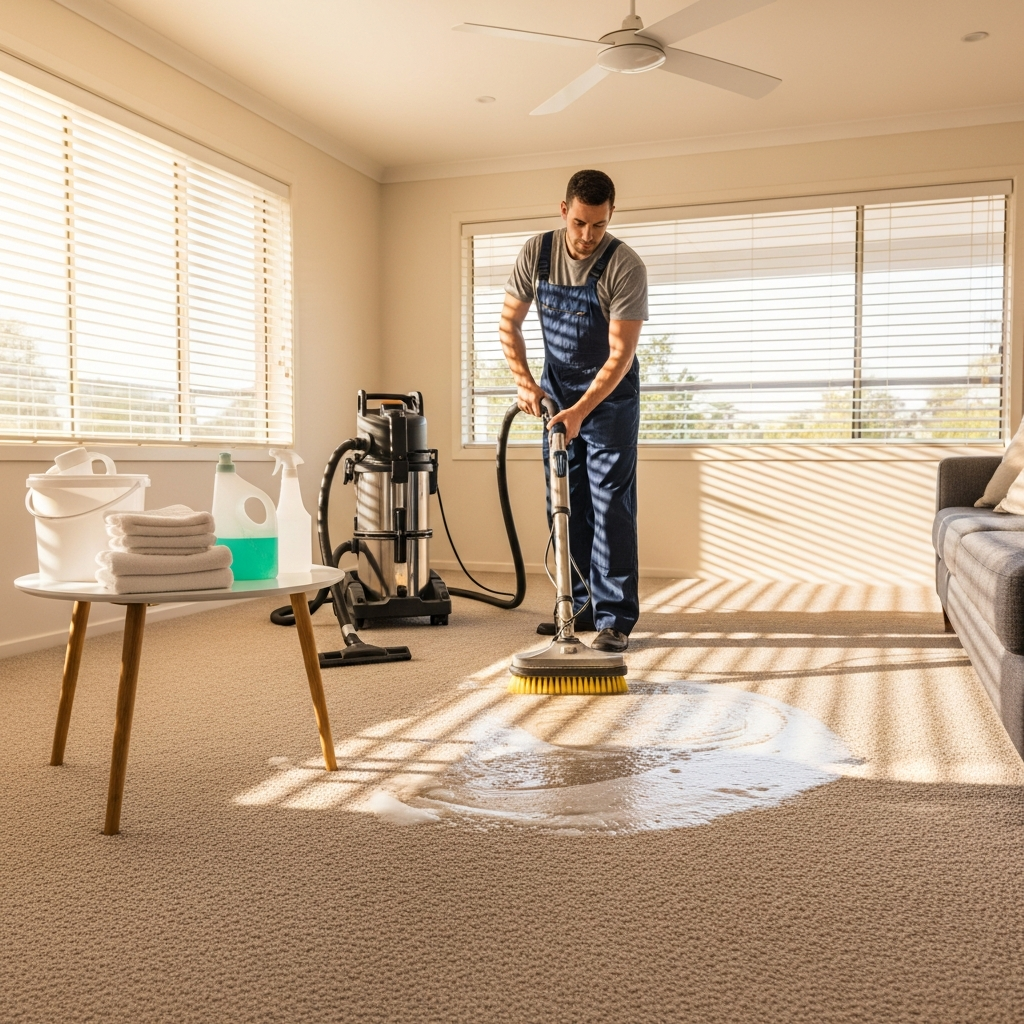
Carpet care in Tampa, Florida involves balancing speed, appearance, deep hygiene, and drying time. Among the many options, carpet shampooing remains a recognizable method, yet it is only one piece of the professional cleaning toolkit. This guide compares shampooing with other approaches—hot water extraction, encapsulation, bonnet, and dry compound—so you can select the right process for your home and climate. If you decide to bring in specialists, consider local pros in carpet cleaning who understand Tampa’s humidity and how it affects residues, odors, and drying.
Every method has strengths and trade-offs. Some excel at fast appearance improvement; others shine at deep soil removal. Tampa’s high humidity and sandy soils introduce extra variables: residues can attract more dirt, and slow drying risks musty smells. Understanding how each technique works helps you choose confidently.
How Carpet Shampooing Works
Traditional shampooing uses foaming detergents, worked into the carpet with a rotary brush or similar agitation tool. The foam suspends soil, which is then removed by wet vacuuming after a dwell period. Shampooing can brighten appearance quickly and lift surface soils effectively, especially on uniform, low-pile commercial-style carpets.
However, residues are a concern. If detergents are not thoroughly rinsed, they can leave a sticky film that attracts dirt—an especially big issue in Tampa, where moisture can bind dust to fibers. Proper post-shampoo rinsing and neutralization are crucial to prevent rapid re-soiling.
Hot Water Extraction (Steam Cleaning)
Hot water extraction injects heated water and cleaning solution into the pile, then extracts it with powerful suction. This method is widely recommended for deep cleaning because it removes soils and residues effectively. When paired with a neutralizing rinse, it leaves less sticky residue, helping carpets stay clean longer.
In Tampa, the main consideration is moisture management. Well-trained technicians use measured solution application and strong extraction to avoid overwetting, followed by airflow, air conditioning, and dehumidification to accelerate drying. For dense carpets or humid days, post-clean grooming improves drying uniformity.
Encapsulation
Encapsulation applies a polymer solution that surrounds soil particles, which then crystallize into brittle residues as the carpet dries. Subsequent vacuuming removes the crystals. This low-moisture method is excellent for interim maintenance, delivering quick dry times and solid appearance improvement with minimal disruption.
Encapsulation is not a total replacement for deep extraction, but in Tampa, it serves as a powerful bridge between periodic hot water extractions, keeping carpets presentable without introducing much moisture into already humid air.
Bonnet/PAD Methods
Bonnet cleaning uses a rotating pad that absorbs surface soil after a light solution application. It is fast and can dramatically improve appearance in high-visibility areas. The limitation is depth; bonnet methods tend to be surface-focused and may not address embedded soils or odors as effectively as extraction.
For Tampa homeowners who need a quick touch-up before guests arrive, bonnet methods can be useful—just plan for periodic deep cleaning to maintain long-term hygiene and texture.
Dry Compound
Dry compound systems spread absorbent granules treated with detergents over the carpet, then work them in mechanically. After dwell time, the granules are vacuumed up with the soil they captured. This method is useful for moisture-sensitive environments and for spot areas where rapid return to service is paramount.
While it reduces drying concerns in humid weather, thorough vacuuming is essential to remove all compound residues. It may not match the deep rinsing of hot water extraction, but it is a helpful option in the right scenarios.
Pros and Cons Summary
- Shampooing: Pros—fast visual brightening, good agitation; Cons—potential residue, risk of rapid re-soiling, needs careful rinsing.
- Hot water extraction: Pros—deep soil and residue removal; Cons—requires moisture management and strong extraction to ensure timely drying.
- Encapsulation: Pros—low moisture, quick dry, good for maintenance; Cons—not a full substitute for periodic deep extraction.
- Bonnet: Pros—rapid appearance improvement; Cons—surface-focused, may redistribute soil if not managed well.
- Dry compound: Pros—minimal moisture; Cons—requires thorough vacuuming and may underperform on heavy, embedded soils.
Choosing for Tampa’s Climate
Humidity changes the equation. Any method that leaves excess residue or moisture can invite odors or re-soiling. That makes hot water extraction with balanced chemistry and strong extraction highly effective for periodic deep cleaning. Encapsulation shines between extractions for fast dry times. Shampooing can work if followed by a meticulous rinse, but skipping that step can backfire in Tampa’s moist conditions.
Consider your household rhythm. Homes with pets, kids, or frequent beach outings need aggressive soil control at entryways and more frequent maintenance. Investing in long entry mats, weekly vacuuming, and prompt spot treatment pays off regardless of your chosen deep-cleaning method.
Preparation and Post-Clean Care
- Clear and vacuum: Remove clutter and vacuum thoroughly in multiple directions to capture grit before it turns to slurry.
- Pre-treat stains: Use fiber-safe spotters tailored to the spill type—tannins, proteins, or oils.
- Choose method: Match your needs—speed vs. depth—and plan drying. In Tampa, schedule AC and dehumidifiers.
- Rinse or neutralize: Especially after shampooing, employ a rinse step to reduce residue.
- Groom and dry: Use a carpet rake to lift pile and promote even airflow. Keep traffic minimal until fully dry.
Post-clean, continue airflow for several hours. If any spots reappear due to wicking, lightly mist with clean water, blot, and apply weighted white towels overnight to draw residues upward.
When to Use Each Method
- Before events: Bonnet or encapsulation for quick visual boosts and short dry times.
- Seasonal deep clean: Hot water extraction for a thorough refresh, especially after peak humidity.
- Odor issues: Extraction with specialized odor treatments; shampooing alone may not reach the source.
- Moisture-sensitive fibers or environments: Dry compound as a controlled, low-moisture option.
The right solution may be a combination: encapsulation for monthly upkeep and hot water extraction biannually. Shampooing fits where agitation is desired and rinsing is assured.
Common Mistakes to Avoid
- Skipping vacuuming: Dry soil removal dictates results regardless of method.
- Overusing detergent: Extra soap does not equal extra clean—residue invites dirt in humid air.
- Underestimating drying: In Tampa, airflow and dehumidification are essential after any wet process.
- Using the wrong spotter: Some DIY products set stains or damage dyes; always pretest.
Frequently Asked Questions
Q: Is shampooing bad for carpets?
A: Not inherently. Problems arise when residues are left behind. Follow shampooing with a thorough rinse and neutralization to minimize re-soiling.
Q: Which method is best for deep cleaning?
A: Hot water extraction is widely regarded as the best for rinsing soils and residues out of the pile. Encapsulation is excellent for interim maintenance.
Q: How long will carpets take to dry in Tampa?
A: With strong extraction and AC or dehumidifiers, many carpets dry within 6–12 hours. Low-moisture methods can be ready in 1–2 hours.
Q: Can I combine methods?
A: Yes. Many homeowners use encapsulation for routine upkeep and schedule periodic hot water extraction for a deeper reset.
Q: What about pet odors?
A: Odors that have penetrated the pad often need subsurface treatments best paired with extraction. Shampooing alone may not reach the source.
Q: Will residue make my carpet dirty faster?
A: Residue can attract soil, especially in humid air. That is why balanced chemistry and a rinse step are critical—particularly after shampooing.
Making the Best Choice for Your Home
Every Tampa household has different goals: speed, depth, odor control, or a mix of all three. Learn what each method does well, respect the realities of our humid climate, and build a routine that pairs vacuuming and matting with the right deep-cleaning cadence. If you want expert input and reliable outcomes, schedule a consultation and plan your next carpet cleaning with a team that can recommend and execute the ideal method for your space.