
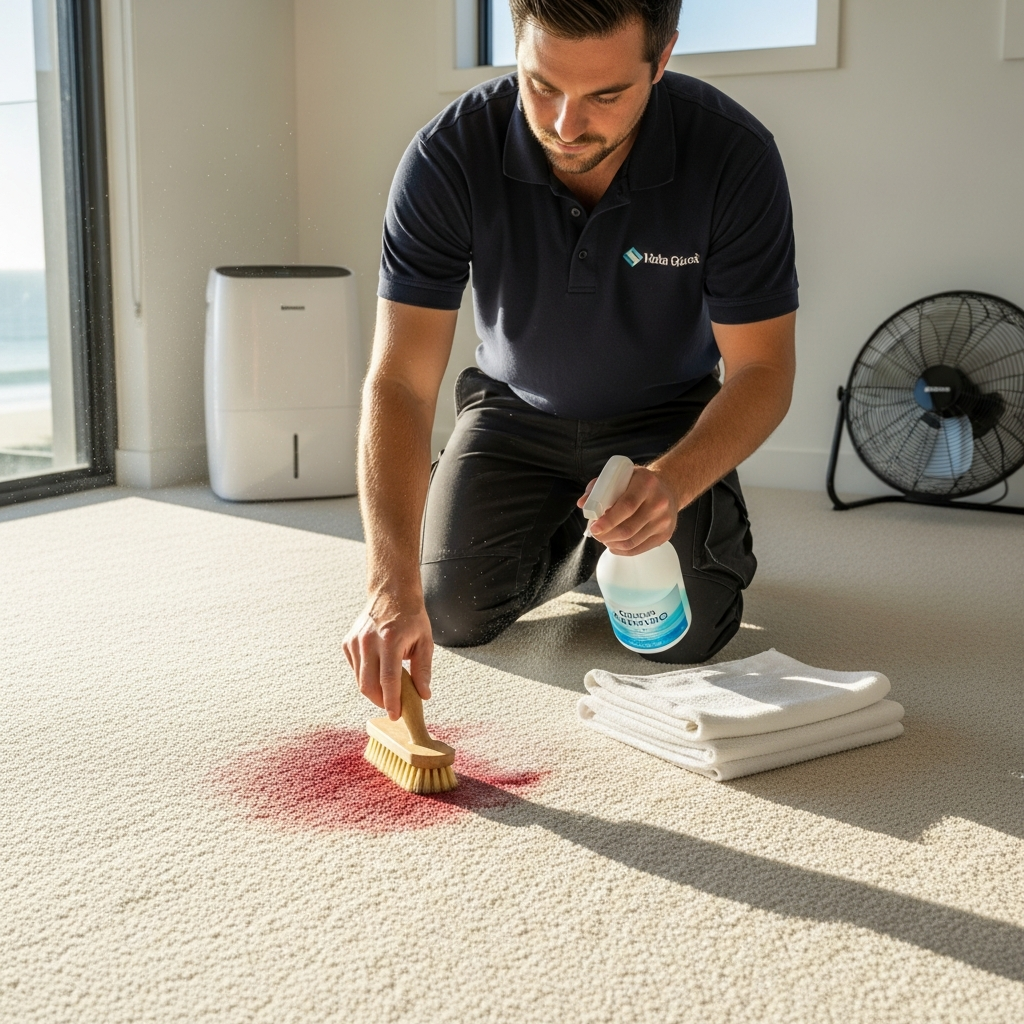
Deep carpet cleaning in Tampa, Florida requires more than a cursory pass with a vacuum. Between beach sand, summer storms, indoor humidity, and a lively food-and-beverage scene, local carpets absorb a lot of life. This guide explains how to diagnose stains, the chemistry behind removal, and the best practices for heavy-duty cleaning so you can restore freshness without damaging fibers. If you prefer expert guidance from the start, consult trained professionals in carpet cleaning who understand Tampa’s unique climate and common household challenges.
Stain removal is both science and strategy. Every successful remedy begins with identifying what caused the discoloration—dye-based beverages, protein spills, oils, rust, ink, or asphalt residues from parking lots. Instead of guessing, you can use a methodical approach: inspect, test, treat, rinse, and blot-dry. When you match the right solution to the right stain and control moisture carefully in Tampa’s humidity, you can prevent permanent damage and recurring odors.
Understanding Stain Composition
Not all stains behave the same way. Tannins in coffee, tea, and wine respond to oxygen boosters and mild acids. Protein-based stains from milk or blood require enzyme action and cool water to avoid “cooking” the proteins. Oil and grease respond best to solvents or surfactants designed to emulsify lipids. Some dyes, such as sports drinks or fruit punch, can permanently bond with fibers if not addressed promptly, which is why speed matters.
Carpet fiber type also influences your plan. Nylon is resilient but can be susceptible to staining without protectant. Polyester resists water-based stains but can hold onto oily soils. Wool needs gentle, pH-appropriate chemistry and cooler temperatures. When in doubt, test an inconspicuous corner and follow manufacturer guidelines.
Step-by-Step Deep Cleaning Framework
- Dry soil removal: Vacuum slowly in multiple directions to extract sand and grit that would otherwise turn to mud.
- Pre-inspection: Identify traffic lanes, fiber type, and stains. Note any odors that signal pet accidents or mildew.
- Pre-treatment: Choose targeted spotters—tannin removers for coffee/tea, enzyme treatments for proteins, and solvent-based spotters for grease.
- Agitation: Use a soft brush or counter-rotating brush machine to distribute pre-sprays and loosen embedded soils.
- Hot water extraction: Rinse with properly heated water and balanced detergents; extract thoroughly to reduce residues and moisture.
- Neutralize and groom: A mild acidic rinse helps balance pH and minimize sticky residue; grooming lifts pile for even drying.
- Accelerate drying: Run AC and dehumidifiers to keep Tampa humidity from slowing evaporation or encouraging odors.
Mastering this framework ensures you do not just cover up stains temporarily—you pull soils, residues, and odors out of the carpet pile and backing, where they tend to hide.
Targeted Techniques for Tampa’s Most Common Stains
- Coffee and tea: Blot immediately. Apply a tannin remover or mild acidic solution, dwell briefly, then rinse and extract. Repeat gently if needed.
- Red wines and dyed beverages: Use oxygen-based spotters compatible with your fiber, work carefully from the outside in, and avoid overwetting.
- Pet accidents: Start with enzyme-based treatments to break down proteins and uric salts. After adequate dwell time, extract thoroughly and follow with odor-neutralizing rinse.
- Grease and cooking oils: Use solvent spotters sparingly. Agitate lightly, then rinse well so residues do not attract more soil.
- Rust: Apply a rust remover made for carpets; do not use household products that can set stains or bleach fibers.
- Ink and marker: Specific ink removers or volatile solvents may help; always pretest, and stop if color transfer from carpet occurs.
Remember that many stains are layered. A coffee spill might also contain dairy or sugar syrups that require additional chemistry. Identify each component to design a sequence: break down proteins first, then address dyes or tannins, and finish with a neutralizing rinse to prevent sticky aftermath.
Managing Moisture in High Humidity
Deep cleaning is only as good as your drying plan. In Tampa, overwetting can cause slow dry times, musty odors, or wicking that makes stains reappear. Apply solutions conservatively, emphasize overlapping extraction strokes, and immediately run air conditioning and fans. Dehumidifiers are a powerful ally; they pull moisture out of the air so your carpet can release it faster. When possible, clean in sections to maintain traffic flow while allowing areas to dry undisturbed.
Preventing Reappearing Spots
Wicking occurs when moisture trapped below the face yarn carries dissolved soils upward during drying. Combat this by limiting how much solution penetrates the backing, extracting thoroughly, and performing post-clean blotting. For stubborn cases, lay white towels over the area, weigh them down, and leave them overnight. The towels will wick up residual moisture and stain components.
When to Call a Professional
Some stains and scenarios call for advanced tools: sub-surface flushes for severe pet urine, specialty reducers for color loss, or heat transfer techniques for dye-based spills. If you feel uncertain, save time and reduce risk by partnering with local carpet cleaning experts who can match chemistry and technique precisely to the problem. Professionals also bring high-powered extraction that leaves less moisture behind—critical in Florida’s climate.
Protecting Your Results
- Use walk-off mats: Quality mats at entryways capture sand and moisture before they reach carpet fibers.
- Vacuum strategically: Slow, thorough passes each week prevent abrasive grit from grinding into the pile.
- Spot clean promptly: Blot spills immediately and use fiber-safe spotters; avoid scrubbing.
- Consider protector: Professionally applied fiber protectants help repel stains and buy you time during accidents.
- Balance indoor humidity: Run AC and dehumidifiers during rainy spells to keep odors at bay.
These habits extend time between deep cleanings and preserve carpet texture and color, especially in busy Tampa households filled with pets, kids, and sandy shoes.
Deep Cleaning Myths to Avoid
- “More detergent cleans better.” Excess chemistry can leave sticky residues and cause faster re-soiling.
- “Hotter is always safer.” High heat can set protein stains or damage sensitive fibers like wool. Match temperature to fiber and soil type.
- “One pass is enough.” Proper extraction involves overlapping, slow strokes that lift moisture and soil thoroughly.
- “All spotters are the same.” Using the wrong product can set stains or strip dyes. Always pretest.
Frequently Asked Questions
Q: How fast should I act on a fresh spill?
A: Immediately. Blot gently using white towels, then apply a compatible spotter. The longer a spill dwells, the more likely it is to bond with fibers.
Q: Can deep cleaning remove all stains?
A: Many stains improve dramatically, but some dyes or chemical burns are permanent. A professional can often lighten or blend them to be less noticeable.
Q: What is the safest way to treat pet urine?
A: Use enzyme-based cleaners with sufficient dwell time, followed by thorough extraction. For severe issues that penetrated the pad, ask about subsurface treatments.
Q: Why do stains come back after drying?
A: Wicking. Moisture draws deeper residues upward. Limit solution, extract thoroughly, and use overnight towel wicking to intercept reappearance.
Q: How often should I deep clean in Tampa?
A: Typically every 6–12 months, or more frequently for homes with pets, kids, or heavy sand and moisture exposure.
Q: Is hot water extraction better than other methods?
A: For deep cleaning, hot water extraction often provides the most thorough rinse and soil removal. Encapsulation and bonnet methods can be great for maintenance between extractions.
Q: Will deep cleaning remove odors?
A: Yes, especially when combined with targeted odor treatments and proper drying. Persistent odors may signal pad or subfloor contamination requiring advanced solutions.
Q: Can I walk on the carpet right away?
A: Minimize traffic until fully dry. If necessary, wear clean socks and avoid soiling damp fibers, which are more vulnerable.
Bring Your Tampa Carpets Back to Life
With the right sequence—identify, treat, extract, and dry—you can lift stubborn soils and stains while protecting your carpet investment. Be methodical, respect fiber limitations, and manage humidity aggressively. If you want a dependable outcome without the guesswork, schedule professional service and enjoy a revived, healthier floor. To make it simple, set a reminder after each rainy season and book reliable carpet cleaning support so your home stays fresh year-round.